
























Galaxy Zoo: Clump Scout II - Citizen Science Project on Star-Forming Clumps in Galaxies
Summary
Galaxy Zoo: Clump Scout II is a citizen science project on Zooniverse that investigates giant star-forming clumps in galaxies. The project addresses a key question in galaxy evolution: why clumpy galaxy structures were common in the early Universe but are rare in the local Universe. Using powerful telescopes and machine learning tools, researchers aim to understand whether star formation processes producing clumps in nearby galaxies are the same as those in the early Universe. Volunteers help correct machine predictions to reveal the shapes of stellar nurseries.
Source

 bskyGalaxy Zoo: Clump Scout II - Citizen Science Project on Star-Forming Clumps in Galaxieszooniverse.org
Key quotes
· 3 pulledOne of the big questions in galaxy evolution is why there are very few galaxies with clumpy structure in the local Universe when they were so common in the past.
As the name implies, we know these clumps are related to star formation, but how?
Are the star formation processes that produce clumps in nearby galaxies the same as in the early Universe?
You might also wanna read

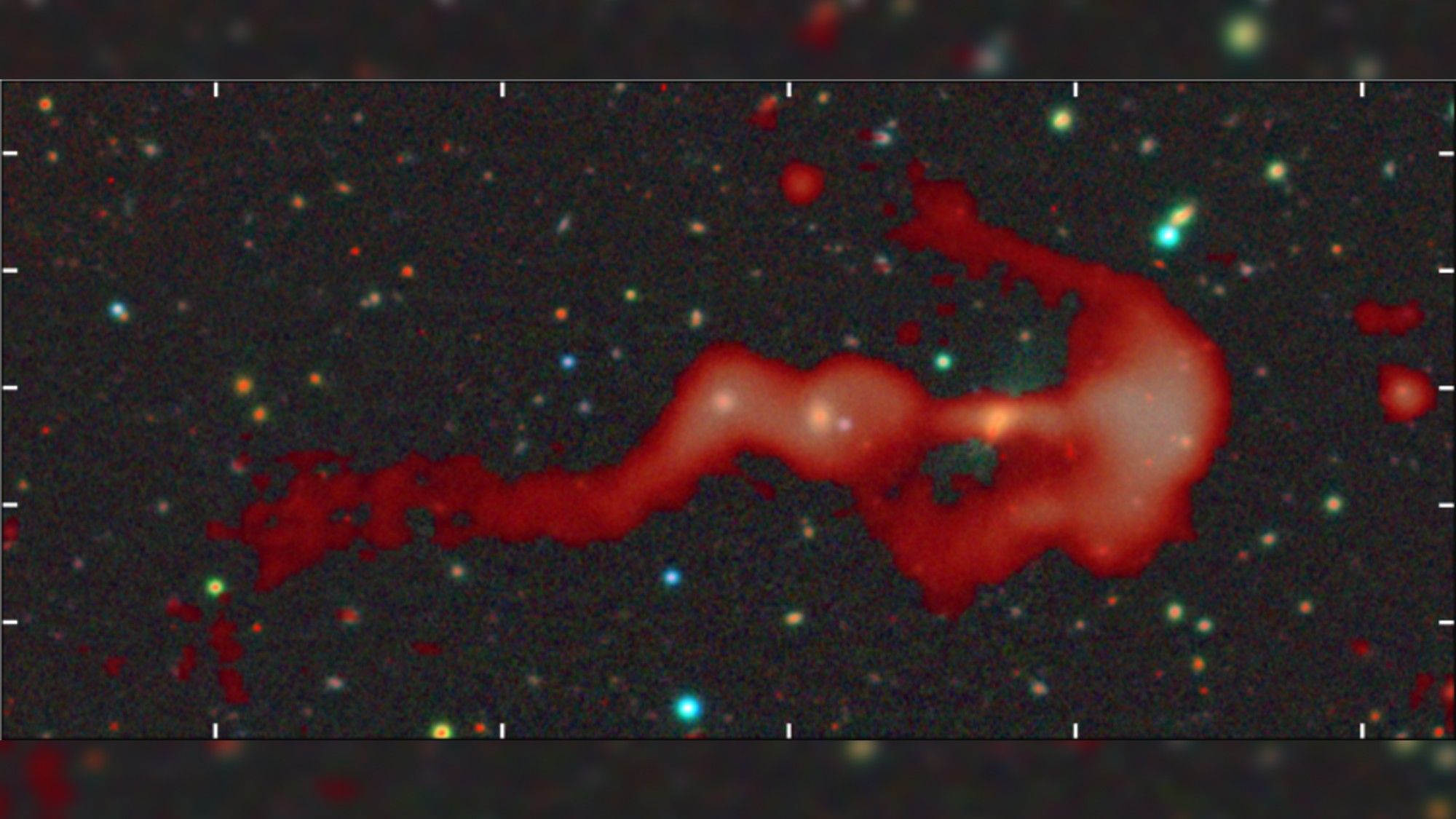
Citizen scientist discovers RAD-BAARG: A giant radio galaxy with a never-before-seen bow-and-arrow structure
A citizen scientist discovered a bizarre radio galaxy named RAD-BAARG (Radio Bow-And-Arrow Radio Galaxy) spanning nearly 1.8 million light-y
 space.com·7d ago
Citizen scientist discovers RAD-BAARG: A giant radio galaxy with a never-before-seen bow-and-arrow structure
A citizen scientist discovered a bizarre radio galaxy named RAD-BAARG (Radio Bow-And-Arrow Radio Galaxy) spanning nearly 1.8 million light-y
space.com·7d ago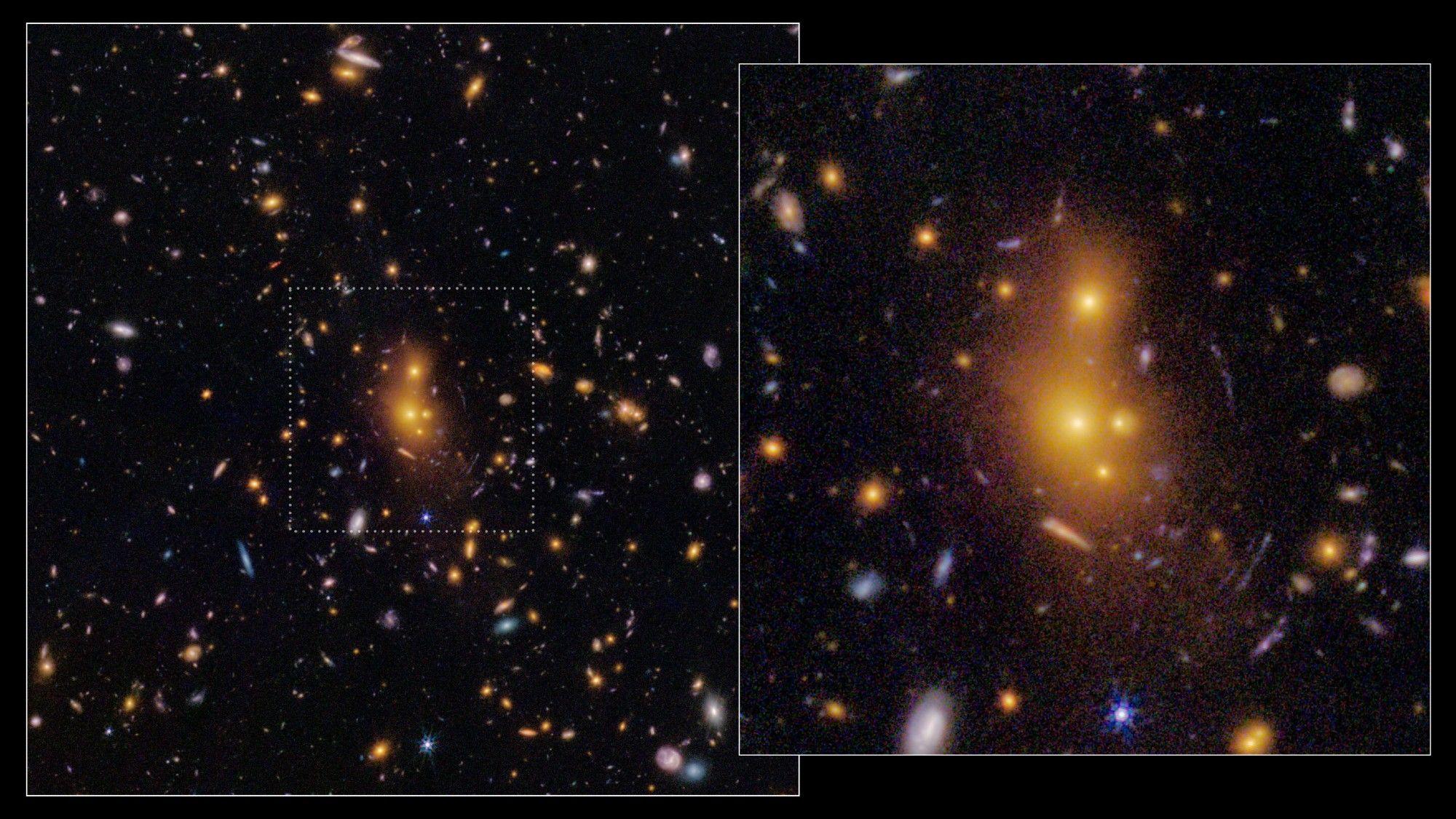
JWST discovers highly evolved galaxy cluster at cosmic noon, challenging theories of early universe structure formation
Astronomers using the James Webb Space Telescope have observed XLSSC 122, a massive and densely packed galaxy cluster at 'cosmic noon' — a p
 space.com·5d ago
JWST discovers highly evolved galaxy cluster at cosmic noon, challenging theories of early universe structure formation
Astronomers using the James Webb Space Telescope have observed XLSSC 122, a massive and densely packed galaxy cluster at 'cosmic noon' — a p
space.com·5d ago502 Bad Gateway
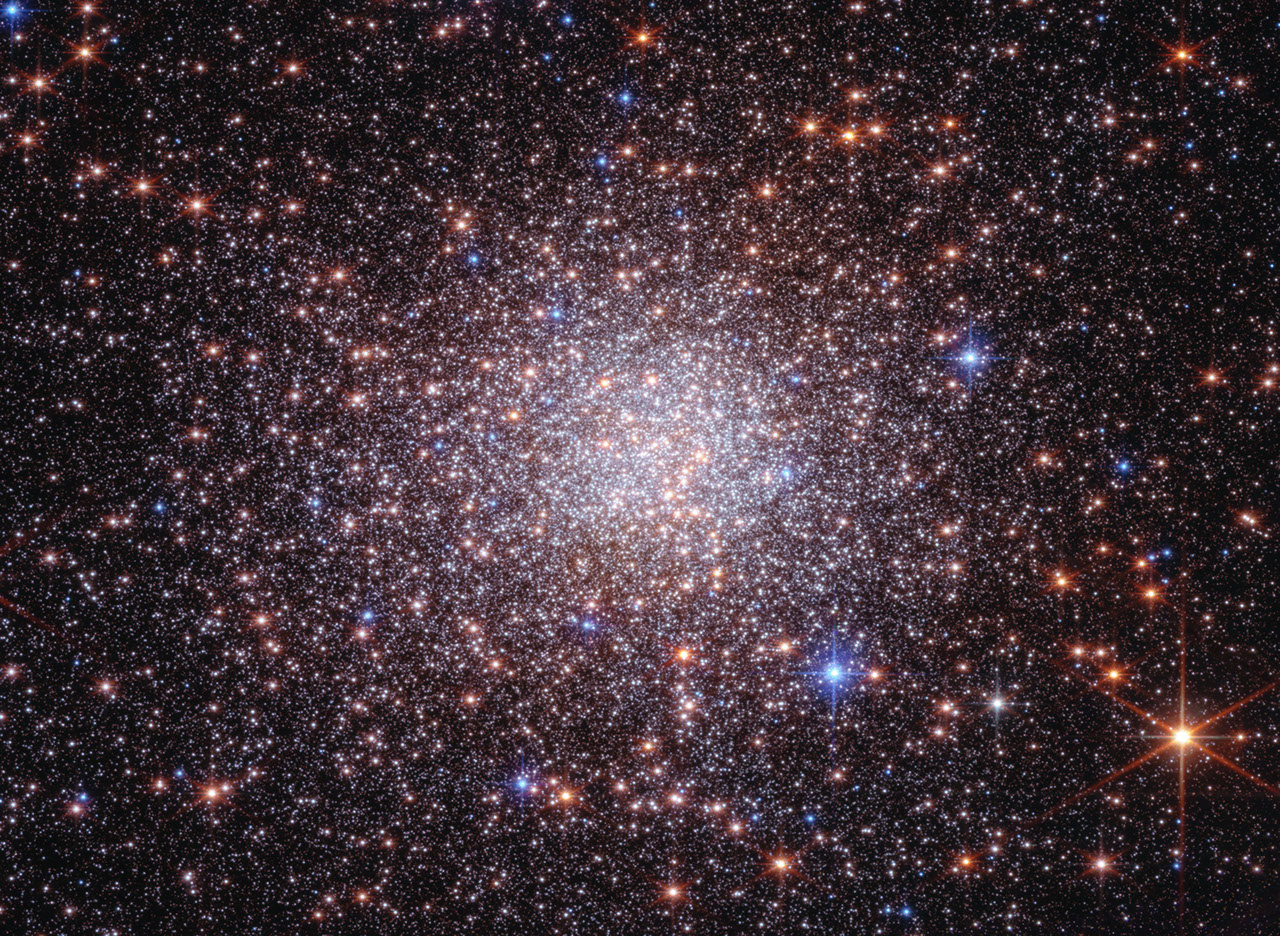
NASA's Webb and Hubble Telescopes Reveal Terzan 5 Is Not a Globular Cluster, Offering New Galaxy Formation Insights
Researchers using NASA's James Webb and Hubble Space Telescopes have reclassified Terzan 5, previously thought to be a globular star cluster
 go.nasa.gov·17d ago
Neutrino’s nursery found: the ‘Shadow Blaster’

Comments
Sign in to join the conversation.
No comments yet. Be the first.