
























Microbial interactions as a key factor in marine fish larvae viability: A review of larval rearing challenges
This article reviews the hypothesis that detrimental interactions between marine fish larvae and microbes are a primary cause of low larval viability in aquaculture. It examines problems in larval rearing such as poor appetite, delayed feeding, diarrhea, suboptimal growth, stress sensitivity, and high mortality, along with poor reproducibility between replicated rearing tanks. The paper provides a comprehensive literature review on microbial management in larval rearing and offers recommendations for future research based on multiple approaches.
Key quotes
The problems in larval rearing are reflected in a large range of biological variables.
The appetite of larvae may be poor and the onset of feeding delayed, diarrhea may be present, growth may be suboptimal or stop at a sensitive developmental stage, animals can be sensitive to stress, and mortality can be high and rapid.
Another very important observation is the poor reproducibility between replicated rearing tanks, even when one egg batch is used.
From the article
You might also wanna read

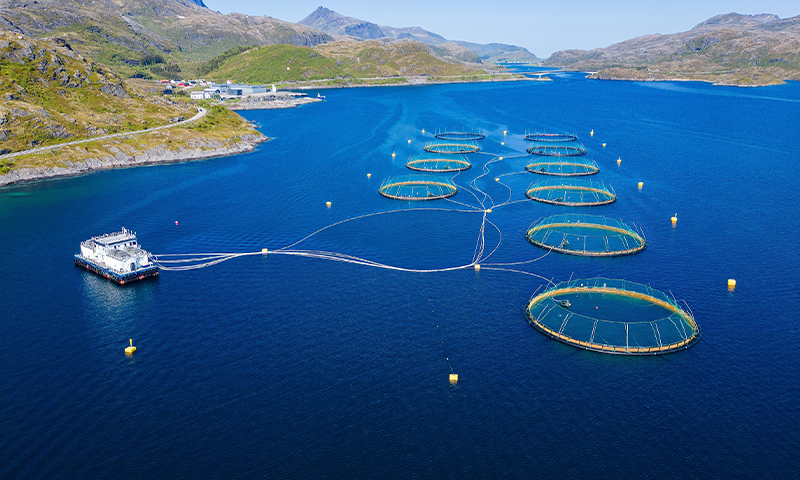
The Environmental Impact of Fishmeal: How Aquaculture Depletes Wild Fish Populations
The article examines the environmental impact of industrial fishing for fishmeal used in aquaculture (farmed seafood). It describes how smal
 nautil.us·8mo ago
Gut bacteria linked to malnutrition may pass to younger generations
Parasites deliver long-chain omega-3 fatty acids to aquatic systems, feeding endangered fish
Examining whether prebiotics, probiotics, and postbiotics can support the ageing gut microbiome
Columnist Graham Lawton explores the relationship between gut microbiome disruption and ageing, examining recent clinical trials on whether
 newscientist.com·14d ago
Examining whether prebiotics, probiotics, and postbiotics can support the ageing gut microbiome
Columnist Graham Lawton explores the relationship between gut microbiome disruption and ageing, examining recent clinical trials on whether
newscientist.com·14d agoProbiotic Found to Slow Disease Spread Among Florida Coral

Comments
Sign in to join the conversation.
No comments yet. Be the first.