
























Frontend Tooling Evolution in 2026: Faster JavaScript Tools for Developers and AI
Frontend tooling in 2026+, with and without AI.
Read the full articleYou might also wanna read


OpenClaw Expands to Mobile, Why Local-First AI Agents Could Challenge Cloud-Based Digital Assistants
Artificial intelligence is rapidly moving beyond chatbots and into a new era where autonomous agents can execute tasks, interact with applic

7 Design Tools and Resources for Faster Web Development in 2026
Discover the top design tools and resources for 2026. Build faster with AI-powered workflows, flexible WordPress themes, and high-performanc
 Webdesigner Depot·2mo ago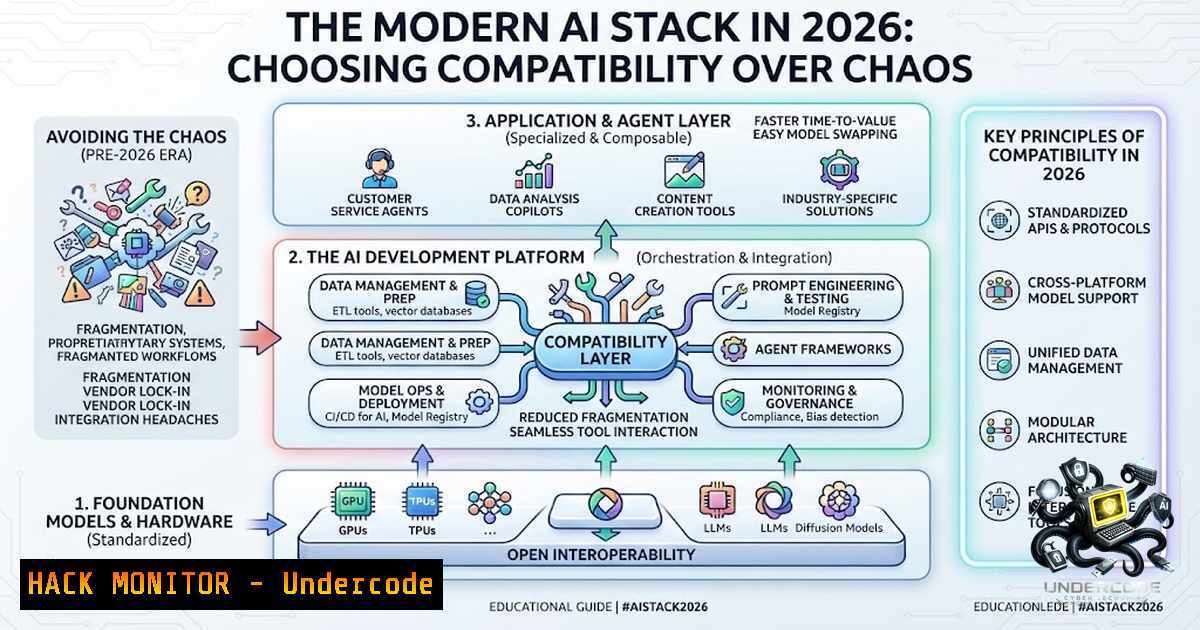
Building the Modern AI Stack in 2026: Why Compatibility Beats Tool Overload
The Modern AI Stack in 2026: Choosing Compatibility Over Chaos + Video - "Undercode Testing": Monitor hackers like a pro. Get real-time upda
 undercodetesting.com·5d ago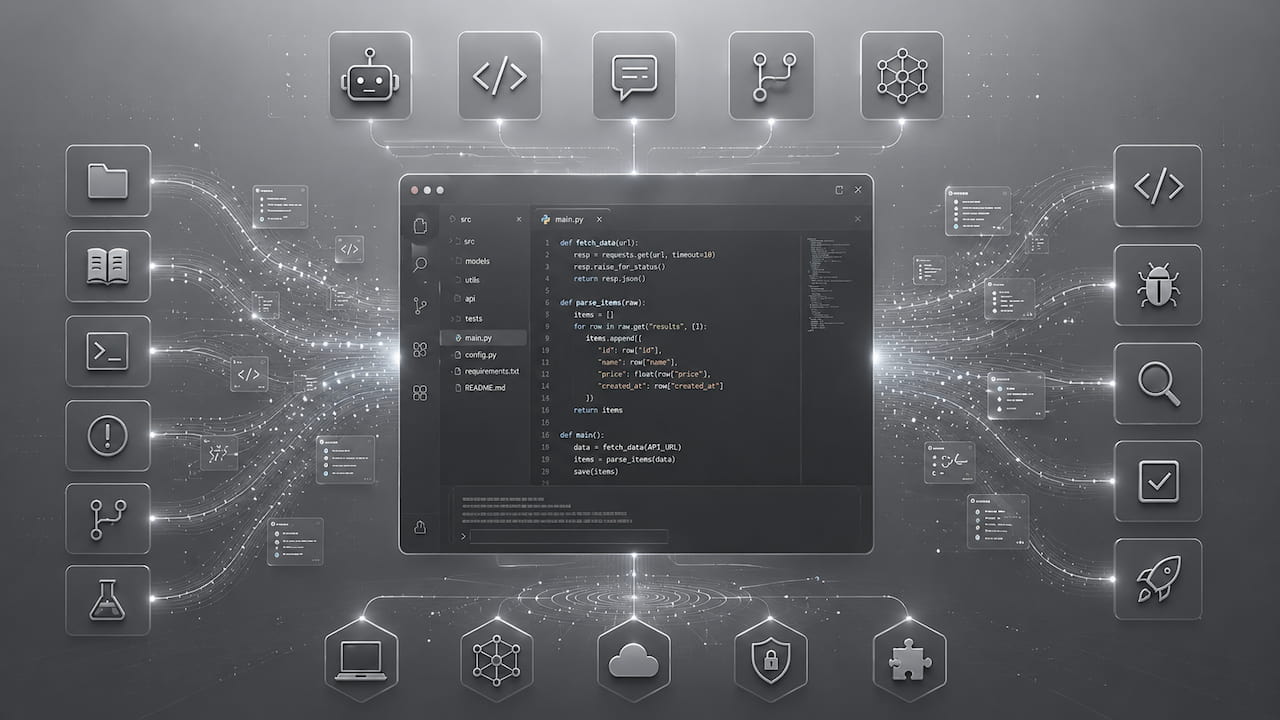
AI Coding Tools Compared 2026: Assistants, Agents, IDEs, and Open-Source Models
Best AI coding tools compared in 2026: Claude Code, Cursor, GitHub Copilot, Aider, and open-source models including Qwen3-Coder and Devstral
 turingpost.com·10d ago
Microsoft Unveils TypeScript 7.0: 10x Performance Leap with Full Go Rewrite
Microsoft has officially released TypeScript 7.0, replacing the JavaScript-based compiler with a complete rewrite in Go. The new architectur

Python Development Trends Powering AI and Automation Apps in 2026
Python is no fluke being the language of AI and in 2026 it has only grown more prominent as the language. Whether it’s applications that lev
Comments
Sign in to join the conversation.
No comments yet. Be the first.