
























How a data journalist rebuilt two civic projects with AI: from weeks of work to days
By
Jacopo Ottaviani 26 June 2026
Summary
Award-winning Italian data journalist Jacopo Ottaviani recounts how he rebuilt two data journalism projects — a map of deaths in Italian prisons (Patrie Galere) and a road safety portal for Rome (Strade Mortali) — using AI large language models (Claude Opus, Claude Sonnet, and the now-suspended Fable 5). What took three weeks of manual work in 2012 was completed in two days using AI-assisted "vibe coding." The article explores the methodology of breaking complex projects into discrete tasks, the importance of human judgment in verifying AI outputs, the commoditization of data journalism's mechanical layer, and the enduring value of journalistic instincts — clarity, bullshit detection, and strategic thinking — in directing AI agents. Ottaviani argues that while the build phase is increasingly automated, the harder problems of verification, audience engagement, and driving real-world change remain distinctly human responsibilities.
Source
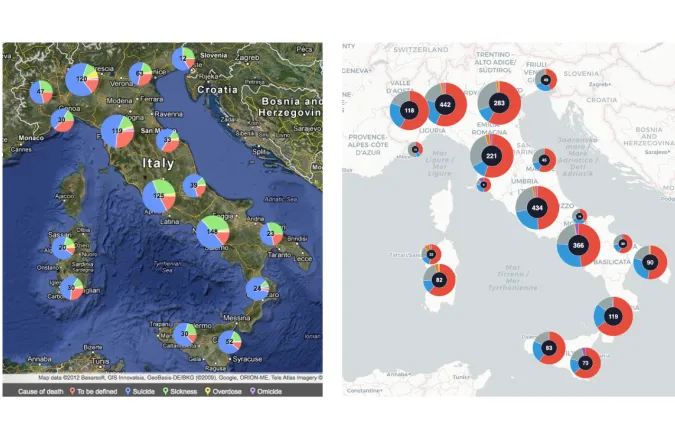
 bskyHow a data journalist rebuilt two civic projects with AI: from weeks of work to daysreutersinstitute.politics.ox.ac.uk
Key quotes
· 5 pulledThe lesson is that plausible-looking output and correct output are not the same thing.
As these models mature, the mechanical layer of data journalism is becoming a commodity. Turning a spreadsheet into a map, cleaning a messy dataset, building a ranked index from open records — any of it is now within reach of anyone who can describe what they want in plain language.
Used well, AI does not make us think less. Quite the opposite: it demands creativity and computational thinking, and gives us the opportunity to cultivate what makes us more human.
The bottleneck has shifted. Between 2012 and 2022 the main bottlenecks were in the build, and the people, budget, and timelines involved. Now all that is increasingly getting commoditised. The hard part is deciding what is worth building, confirming that what you built is true, stewarding and overseeing the AI, and ensuring the target audiences are using it for actual change.
A journalist who can precisely describe a story, its scope, its angle, its gaps, its audience, can apply that same precision to an AI agent, and the output reflects it.
You might also wanna read

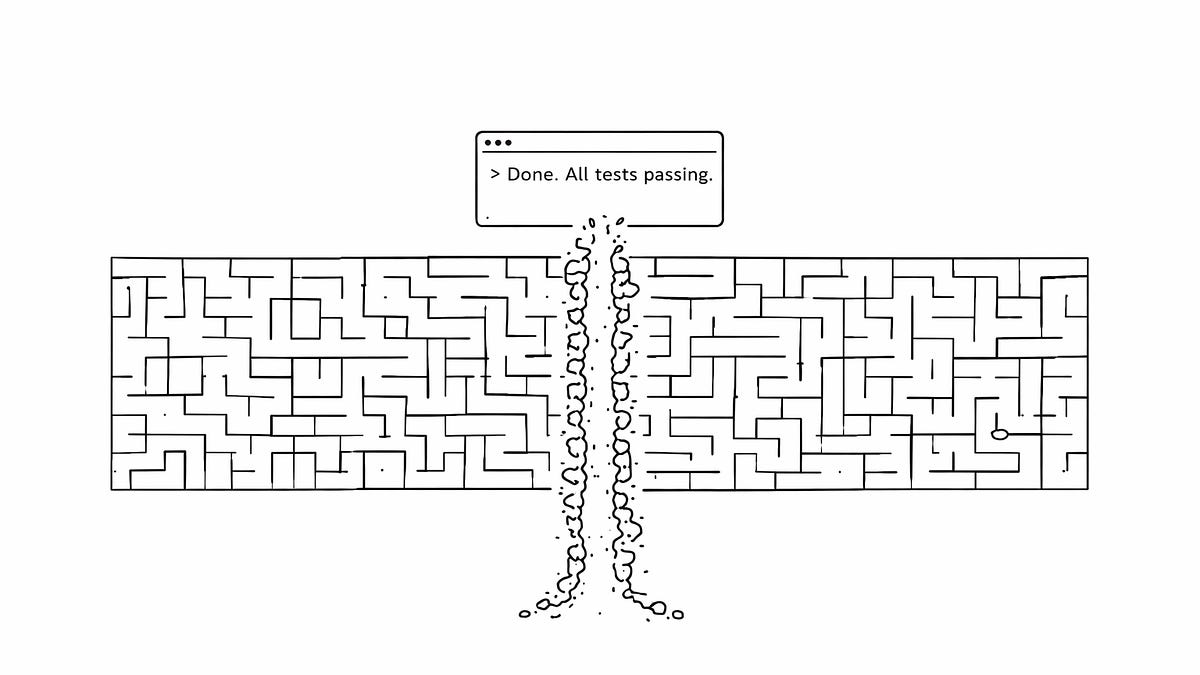
Reflections on AI-Assisted Coding: Returning to Manual Programming After Two Years
The article reflects on the author's two-year experience with AI-assisted coding (vibecoding) and their decision to return to writing code m
 atmoio.substack.com·5mo ago
The Hidden Costs of AI-Generated Work: Authenticity and Expertise in Crisis
The article examines how AI tools like large language models are transforming workplace productivity, often in problematic ways. It discusse
No One's Happy·1mo ago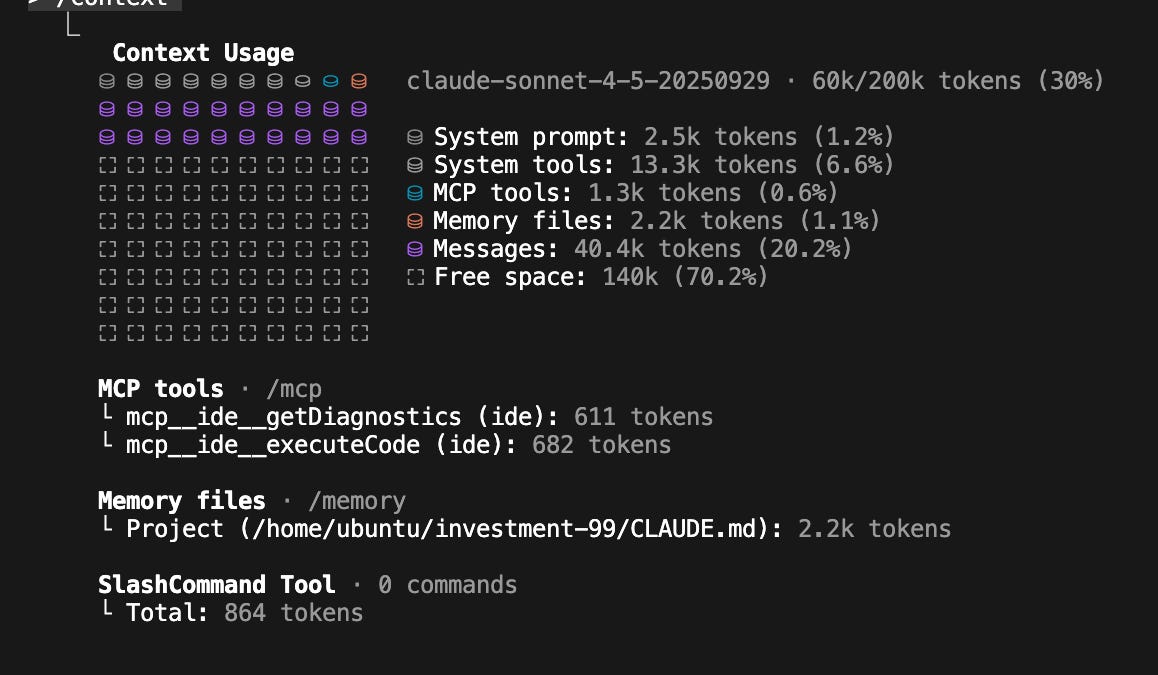
Practical Guide to Using Claude Code: Personal Experience and Professional Insights
The article is a comprehensive personal account of the author's extensive experience using Claude Code, an AI coding assistant. The author d
 blog.sshh.io·8mo ago
Reflections on AI Coding Assistants: How Claude Code Changes the Software Development Experience
The article is a personal reflection on how AI coding assistants like Claude Code have changed the software development experience. The auth
rgoldfinger.com·11mo ago
Why programmers write documentation for AI assistants but not for colleagues
Mark Dominus discusses the ironic phenomenon where programmers are willing to write detailed documentation files (like CLAUDE.md and PROJECT
 blog.plover.com·29d ago
AI's Impact on Software Engineering: Evolution or Replacement?
The article explores the complex relationship between AI tools like ChatGPT and software engineering, examining whether AI represents the en
 The Verge·10mo ago
Comments
Sign in to join the conversation.
No comments yet. Be the first.