
























Endangered foxes adapt to solar farms, using panels as natural habitat
By
by Warren van der Sandt
Summary
A research event from the Santa Barbara Bren School of Environmental Science & Management found that an endangered fox species, when allowed into a solar farm, adapted quickly and began using the panels as part of its habitat. This unexpected development is changing how researchers understand solar farms, suggesting they can function as ecosystems rather than just energy infrastructure. The minimal human presence at these sites appears to be a key factor enabling wildlife adaptation.
Source
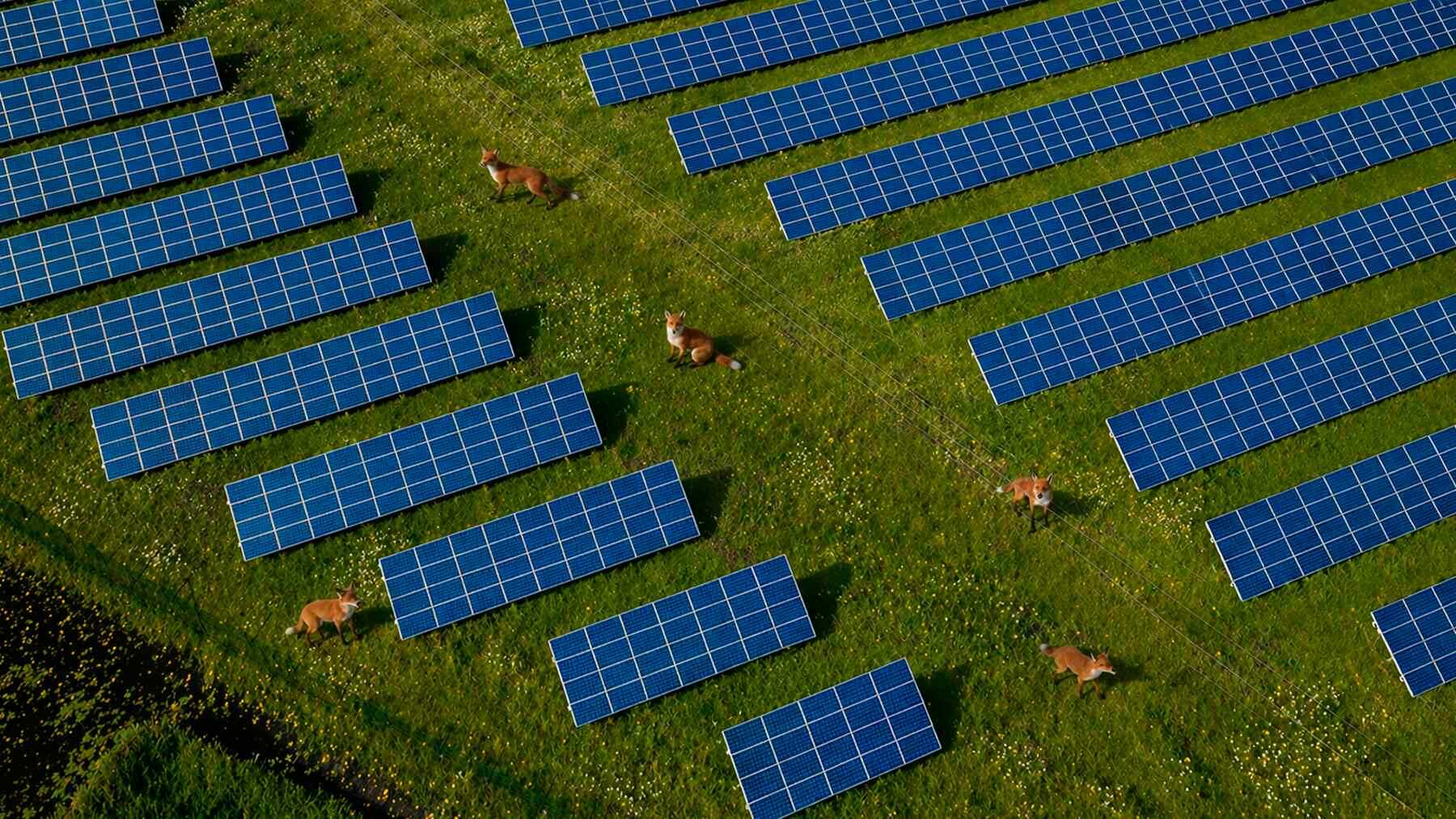
 bskyEndangered foxes adapt to solar farms, using panels as natural habitatecoportal.net
Key quotes
· 3 pulledIt wasn't part of the plan.
Solar farms were built to generate clean energy, not to host wildlife.
Instead of struggling to survive, it adapted—quickly.
You might also wanna read

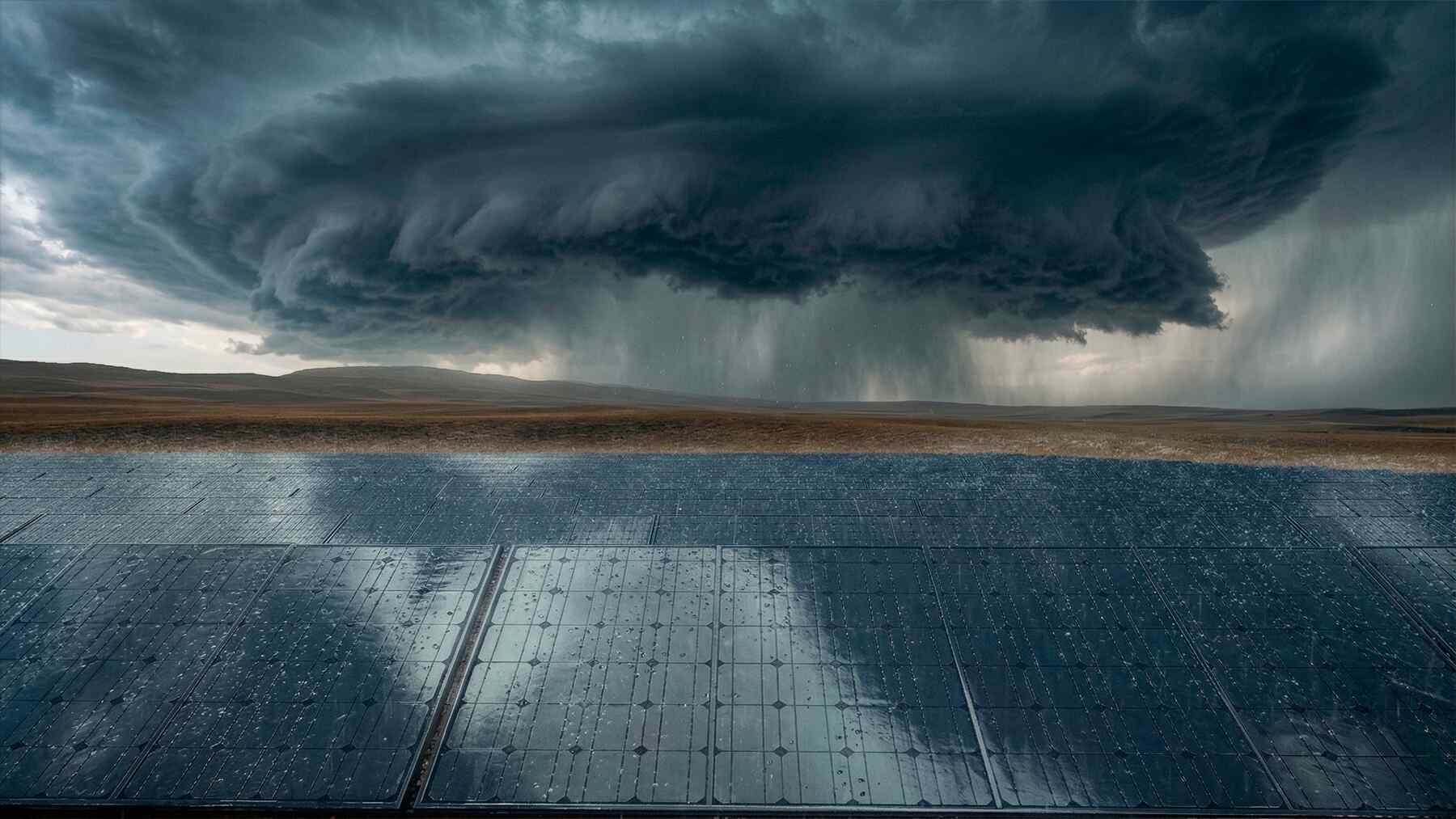
Study Finds Solar Panels Create Rainfall Clouds and Oases in Desert Environments
A recent study reveals that solar panels in desert environments are creating unexpected ecological benefits beyond clean energy production.
ecoportal.net·2mo ago
Crean una batería inspirada en las escamas del pangolín que se activa con la humedad del aire

Field Testing Satellite-Based Bramble Detection for Hedgehog Habitat Mapping
Researchers conducted field testing of a machine learning model designed to identify bramble habitats from satellite data, specifically for
Comments
Sign in to join the conversation.
No comments yet. Be the first.