





















Field Testing Satellite-Based Bramble Detection for Hedgehog Habitat Mapping
By
sadiq

Fresh out the oven, still warm. Top of the tray.
Summary
Researchers conducted field testing of a machine learning model designed to identify bramble habitats from satellite data, specifically for hedgehog conservation mapping. The model combines TESSERA earth representation embeddings with iNaturalist data using an ensemble of logistic regression and k-nearest neighbors classifiers. The team performed ground-truth verification around Cambridge to validate whether satellite-based detection of brambles is accurate.
Key quotes
· 4 pulledHedgehogs seem to like brambles and so as part of his work he has produced a bramble map
He did this by combining the TESSERA earth representation embeddings (using the geotessera library) with data from iNaturalist
The current model is an ensemble of logistic regression and a knn classifier
Can we really see brambles from space? What better way to test the model than a quick field trip around Cambridge
You might also wanna read

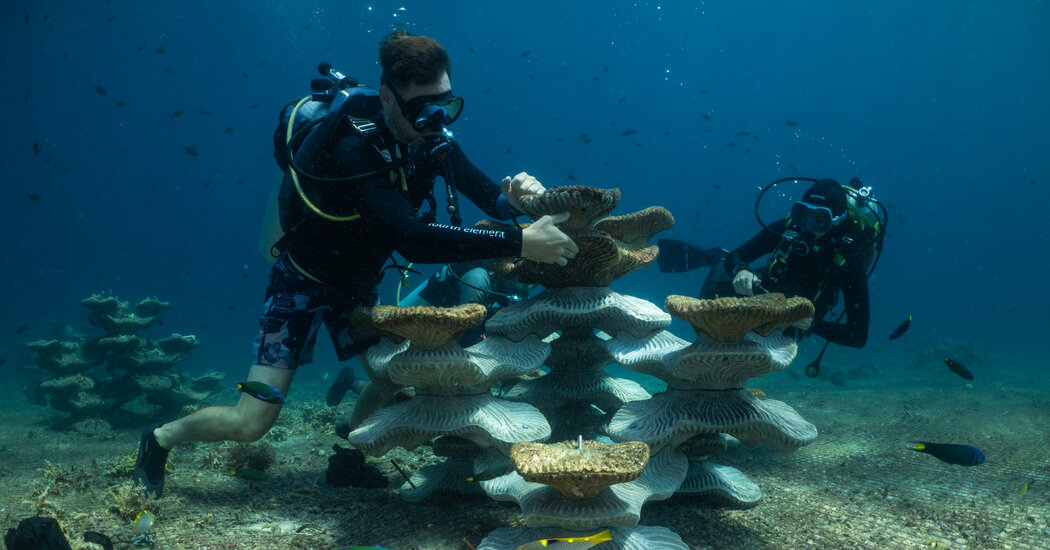
Conservation Group Uses Concrete Molds to Build Artificial Reefs in Malaysia's Coral Triangle
A conservation group is using concrete molds and 3D-printed structures to build artificial reefs in the Coral Triangle near Malaysia, aiming
 nytimes.com·14h ago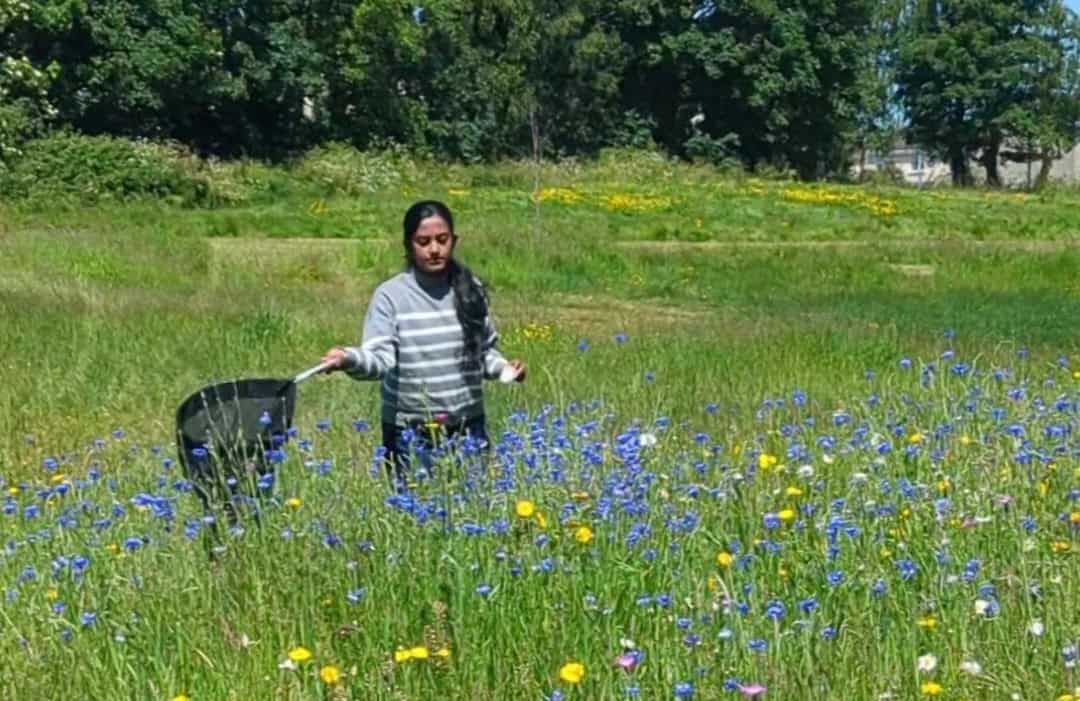
Millimetre-wave radar and machine learning enable non-lethal insect species identification via wingbeat reflections
Researchers at Trinity College Dublin have developed a new technique that combines millimetre-wave radar with machine learning to identify i
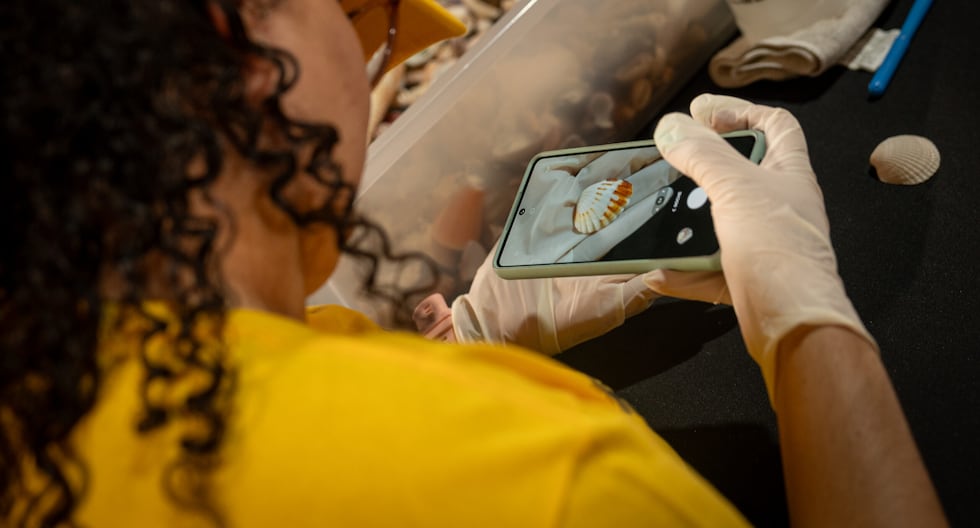
La inteligencia artificial como aliada en la conservación de la biodiversidad en América Latina
La inteligencia artificial se ha convertido en una herramienta clave para la conservación de la biodiversidad en América Latina, acelerando
 elcomercio.pe·4d ago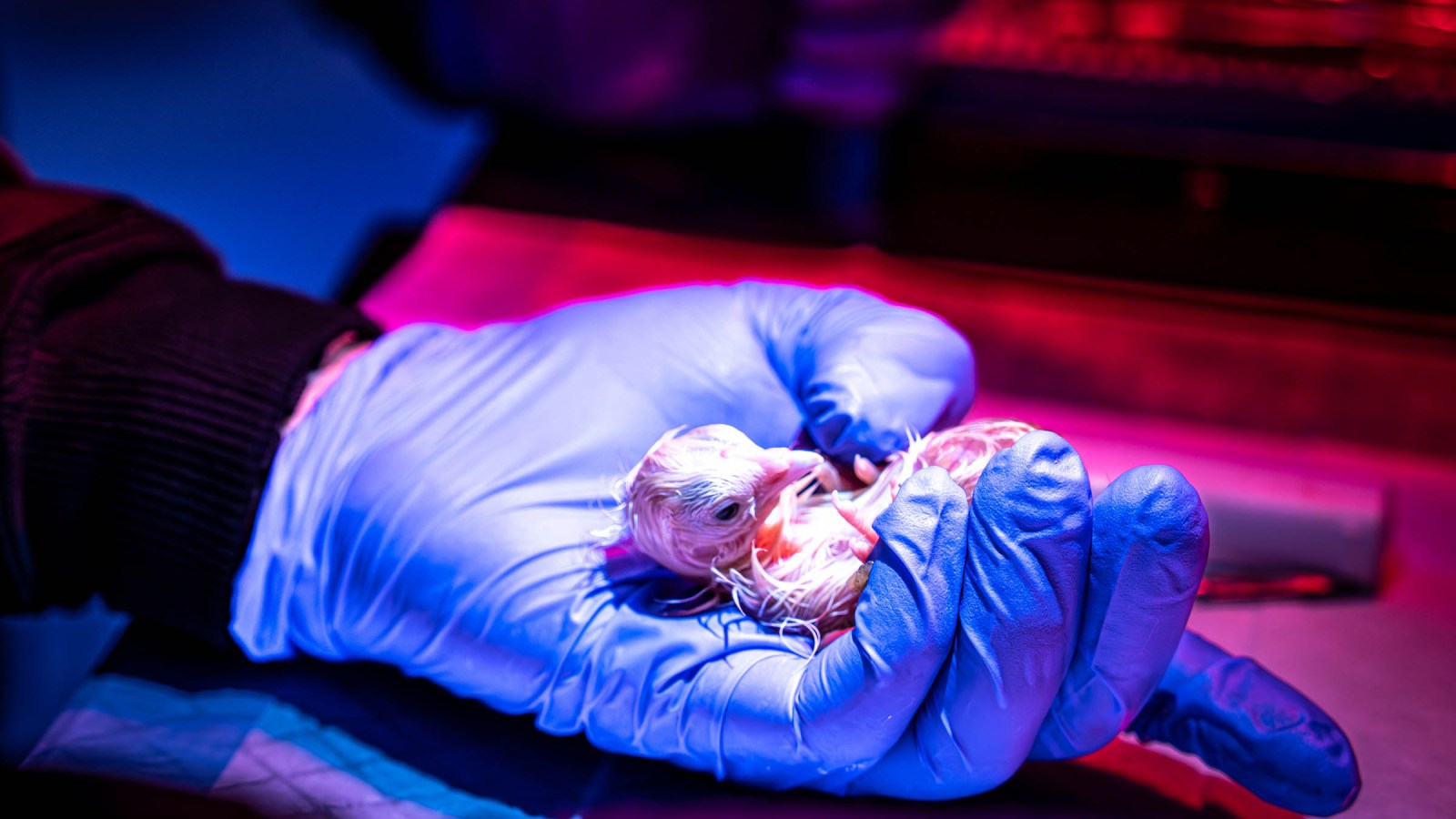
Colossal Biosciences Advances Artificial Womb Technology After Dire Wolf De-Extinction
Science start-up Colossal, known for its de-extinction efforts like bringing back dire wolves, is now pioneering artificial womb technology
 Rolling Stone·12d ago
From Plant Pathogens to Genome Editors: The Biotechnology Journey of TALEs and TALENs
This article reviews how TALEs (transcription activator-like effectors), originally discovered as bacterial proteins that Xanthomonas pathog
 doi.org·24m ago
Inside the movement of AI successionists who want artificial intelligence to replace humanity
The article explores a fringe but growing movement of AI "successionists" who believe humanity should create an AI so advanced that it would
 vox.com·39m ago