

























UN Recognizes International Day of the Solstice as a Celebration of Cultural Heritage and Tradition
By
United Nations
Summary
The article discusses the United Nations' recognition of the International Day of the Celebration of the Solstice, highlighting how solstices and equinoxes symbolize the fertility of the land, agricultural and food production systems, cultural heritage, and millenary traditions. It emphasizes that the celebration of these astronomical events embodies the unity of cultural heritage and centuries-long traditions across different societies and social groups.
Source

 Twitter / XUN Recognizes International Day of the Solstice as a Celebration of Cultural Heritage and Traditionun.org
Key quotes
· 3 pulledThe solstice as the embodiment of the unity of cultural heritage and centuries-long traditions
Solstices and equinoxes symbolize the fertility of the land, agricultural and food production systems, cultural heritage and their millenary traditions
The celebration of those events is an embodiment of the unity of the cultural heritage and centuries-long traditions
You might also wanna read

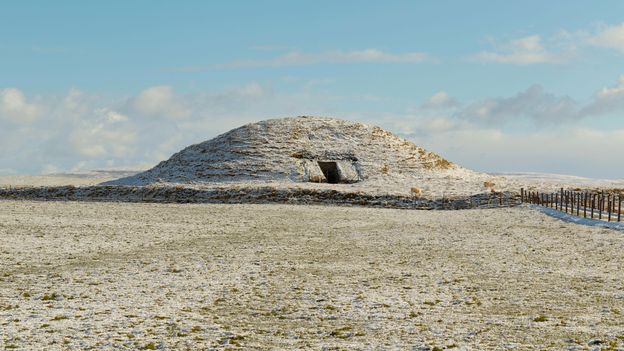
Ancient Monuments Aligned with Winter Solstice Sunrise and Sunset
The article explores ancient monuments across the Northern Hemisphere that align precisely with the winter solstice sunrise and sunset. Thes
 bbc.com·6mo ago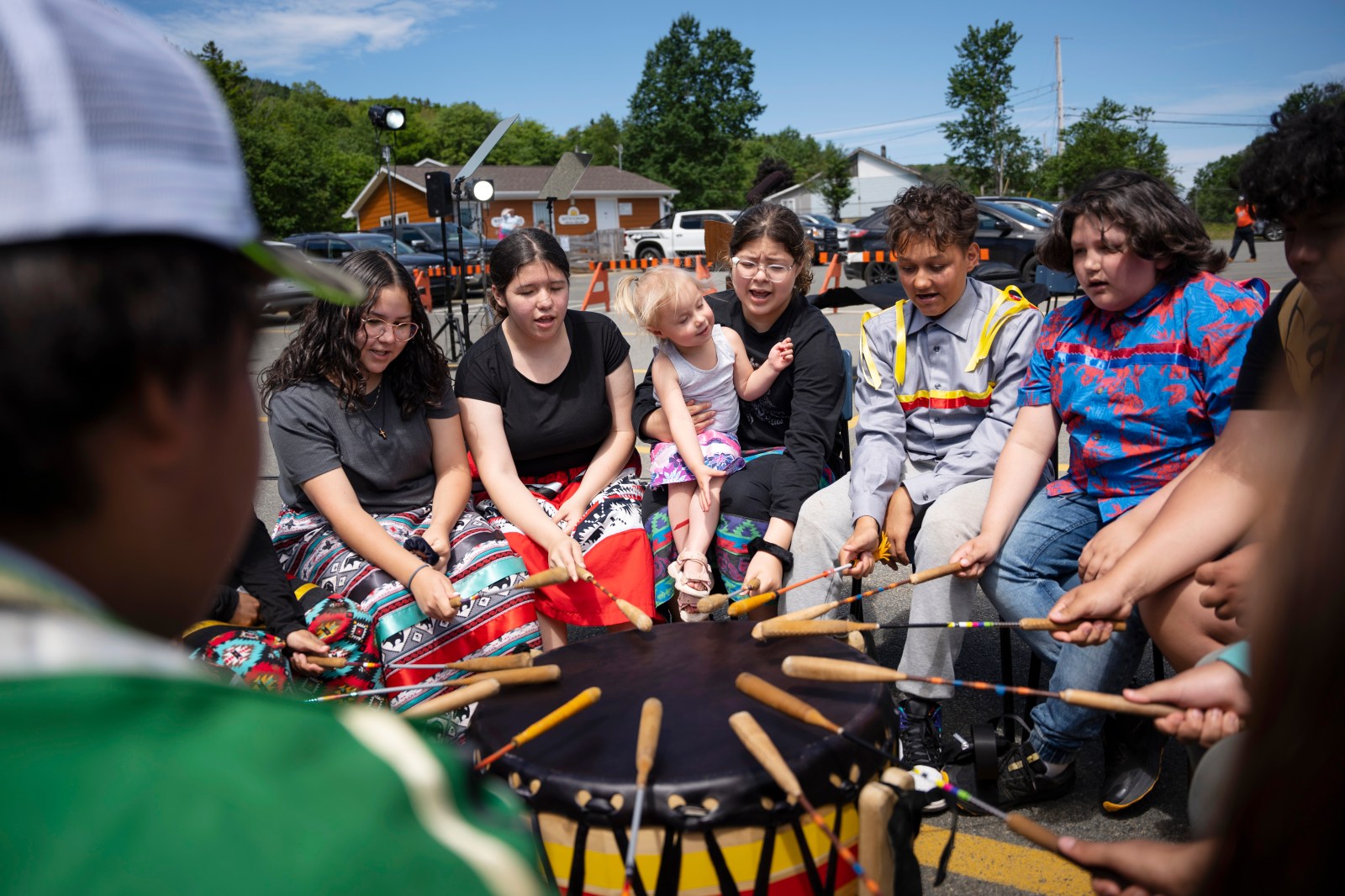
Canada marks 30th National Indigenous Peoples' Day honouring First Nations, Inuit and Métis cultures
Canada marks the 30th National Indigenous Peoples' Day on June 21, coinciding with the summer solstice. The day honours the culture, histori
 winnipegfreepress.com·4h ago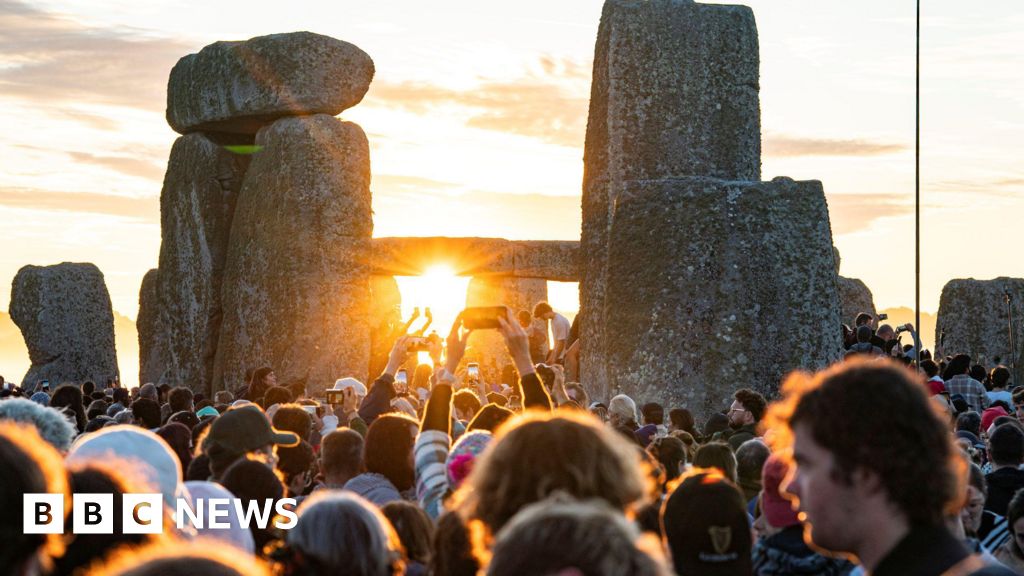
Thousands across the UK gather to celebrate summer solstice sunrise
Thousands gathered across the UK to celebrate the summer solstice, with over 20,000 people at Stonehenge in Wiltshire and others at beaches
 bbc.co.uk·7h ago
The Linguistic and Cultural Significance of Hanukkah: Words, Traditions, and History
The article explores the linguistic aspects of Hanukkah, explaining the holiday's historical significance and the miracle of the oil that bu
 Duolingo·6mo ago
Analyzing Calendar Coincidences: Why Ash Wednesday Wasn't Included in Previous Post
The article discusses calendar coincidences, specifically addressing why the author didn't include Ash Wednesday in a previous post about Ra
 leancrew.com·3mo ago
Etymological Origins of the Days of the Week: From Norse Gods to Celestial Bodies
This article explores the etymological origins of the days of the week, tracing their names back to ancient gods, celestial bodies, and cult
 Duolingo·3mo ago