
























Herbal Teas: Types, Health Claims, and Scientific Evidence
This WebMD slideshow explores various herbal teas (tisanes), their origins, purported health benefits, and what scientific research says about them. It covers rooibos, peppermint, chamomile, ginger, hibiscus, and other herbal infusions, explaining that unlike true teas from Camellia sinensis, herbal teas are made from steeping flowers, leaves, or spices in hot water and are typically caffeine-free. The article presents a balanced view of traditional uses alongside scientific evidence.
Key quotes
True tea -- whether it's black, green, white, or oolong, hot, or iced -- comes from the tea plant, Camellia sinensis. But the herbal kind comes from soaking various flowers, leaves, or spices in hot water.
It comes from a plant native to South Africa, and the drink there is called redbush tea. It's caffeine-free and is often touted for its antioxidants.
Some researchers believe, based on studies...
From the article
You might also wanna read


Scientist spills the tea on slimming teas
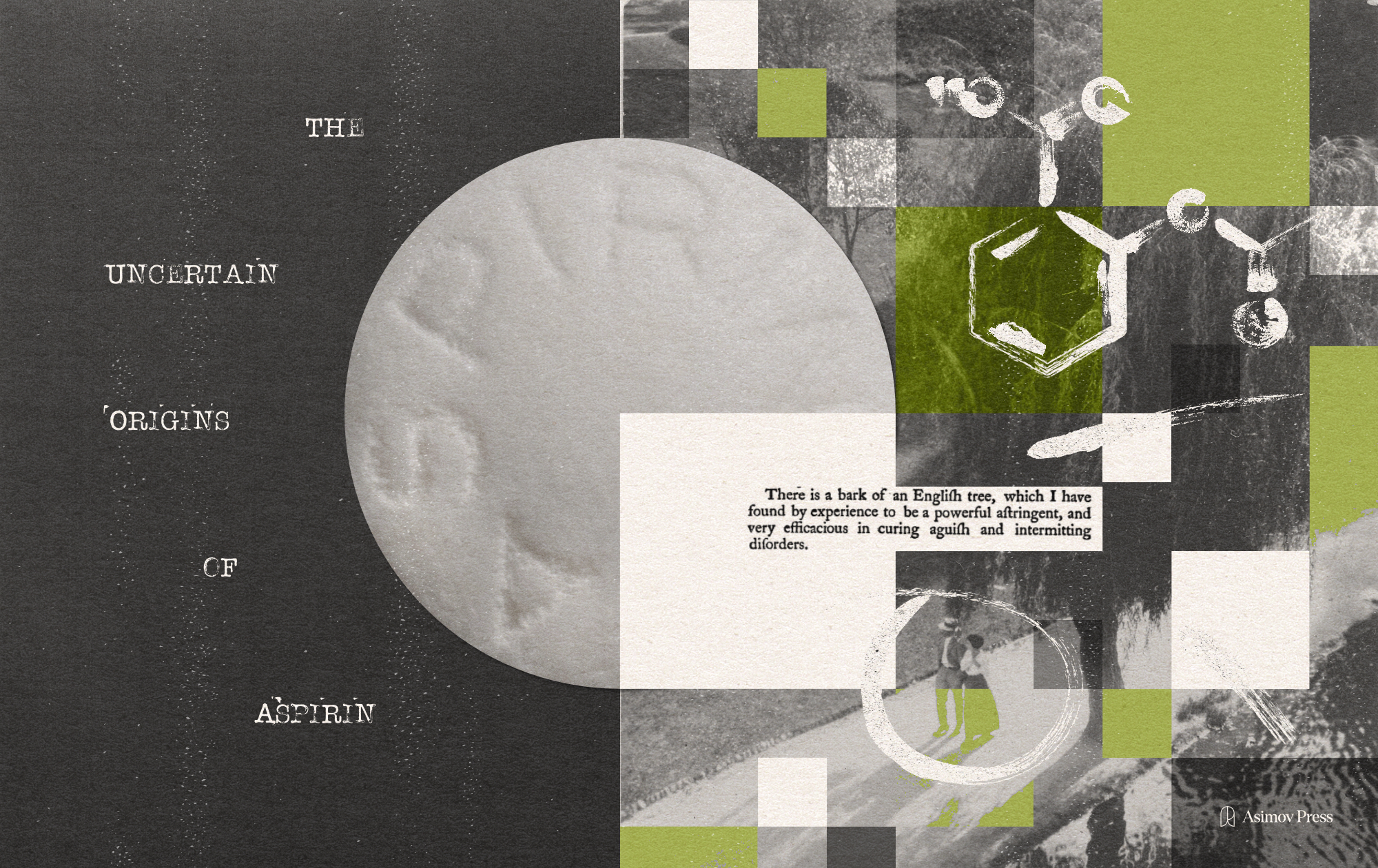
Examining the Ambiguous Historical Origins of Aspirin and Willow Bark Remedies
This article explores the uncertain historical origins of aspirin, examining the folklore and myths surrounding willow bark's medicinal use
 press.asimov.com·7mo ago
Debunking the Scientific Foundation of Traditional Chinese Medicine
The article discusses a recent study claiming to reveal the scientific foundation of traditional Chinese medicine (TCM) by analyzing connect
Investigation of Nutrilite Glucose Health Herbal Drink on Prediabetes Persons

Lark Design Studio creates giftable Herbal Tea Collection for Dragonfly Tea with botanical, sustainable packaging
British tea brand Dragonfly Tea is entering the gifting market for the first time with a new Herbal Tea Collection designed by Lark Design S
 Creative Boom·8mo ago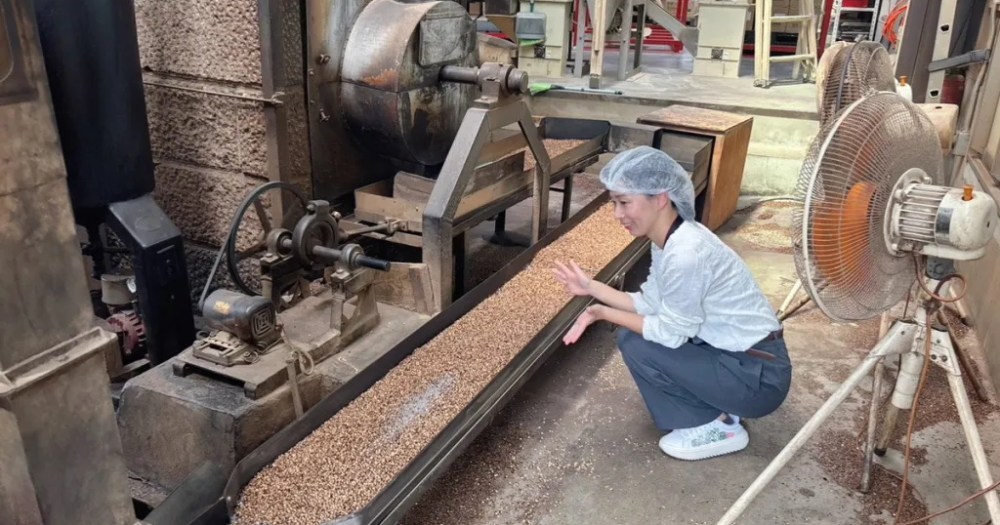
Inside Tokyo's last barley tea makers: How mugicha is crafted from roasted barley
A behind-the-scenes look at how mugicha (Japanese barley tea) is made, visiting one of only two remaining barley tea makers in Tokyo. The ar
 soranews24.com·8d ago
Comments
Sign in to join the conversation.
No comments yet. Be the first.