
























First field test of seawater-pumping method to thicken Arctic ice shows promise but scalability questioned
By
Sascha Pare
Summary
Researchers conducted the first field experiment of a simple geoengineering technique to thicken Arctic sea ice by pumping seawater onto existing ice in winter to create a reinforcing frozen layer. While the method showed promise as a safer alternative to more controversial techniques like stratospheric aerosol injection, significant questions remain about its scalability to meaningfully slow Arctic ice melt.
Source
 bskyFirst field test of seawater-pumping method to thicken Arctic ice shows promise but scalability questionedlivescience.com
Key quotes
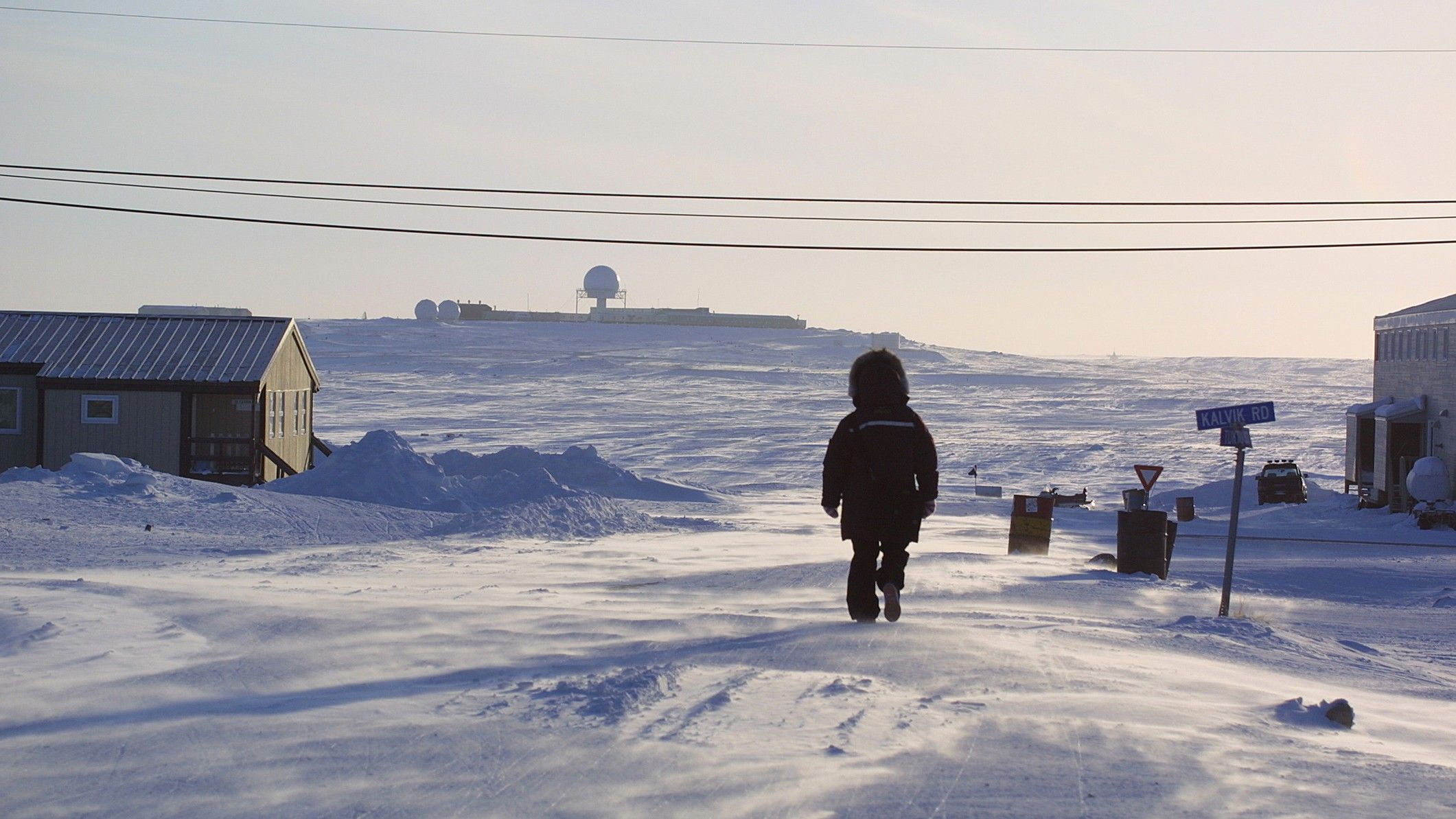
· 3 pulledA simple method to thicken Arctic sea ice has shown promising results in its very first field experiment, performed in Cambridge Bay, Nunavut, Canada.
Researchers are considering several controversial geoengineering techniques to slow the catastrophic melt of Arctic sea ice, including stratospheric aerosol injection, which involves shooting tiny sulfur particles into the sky to blot out the sun.
But in a new study, scientists evaluated the merits of a much safer and more straightforward approach: pumping seawater onto existing sea ice in winter and letting it freeze into a reinforcing layer.
You might also wanna read


First experiment to thicken Arctic ice with seawater shows promise — but there’s a big catch

The audacious plan to refreeze the Arctic – podcast

Startup Proposes Geoengineering Solution to Dim Sun and Combat Global Warming
The article discusses Stardust, an Israeli startup proposing a geoengineering solution to combat global warming by mimicking volcanic erupti
 newyorker.com·7mo ago
Study identifies three-phase mechanism driving Antarctic sea ice decline since 2015
This scientific study analyzes the drivers of Antarctic sea ice decline since 2015, using an observationally constrained sea ice–ocean model
 Science Advances·1mo ago
Photo series on Arctic coastal erosion and permafrost thaw wins New Scientist Editors Award
Natalya Saprunova's photo series documenting coastal erosion and permafrost thaw across Inuvialuit territories in Canada's Arctic won the Ne
 newscientist.com·1d ago
MIT Researchers Develop Ultrasonic Device for Rapid Atmospheric Water Harvesting
MIT researchers have developed a new ultrasonic device that dramatically speeds up the process of harvesting drinking water from the air. Un
 news.mit.edu·7mo ago
Comments
Sign in to join the conversation.
No comments yet. Be the first.