
























First field test of Arctic sea ice thickening by pumping seawater shows promise but scalability questioned
A field experiment in Cambridge Bay, Nunavut tested a simple geoengineering method to thicken Arctic sea ice by pumping seawater onto existing ice in winter to create a reinforcing frozen layer. While the first results are promising, researchers note significant questions about scalability of the approach as a solution to catastrophic Arctic ice melt.
Key quotes
Researchers are considering several controversial geoengineering techniques to slow the catastrophic melt of Arctic sea ice, including stratospheric aerosol injection, which involves shooting tiny sulfur particles into the sky to blot out the sun.
In a new study, scientists evaluated the merits of a much safer and more straightforward approach: pumping seawater onto existing sea ice in winter and letting it freeze into a reinforcing layer.
there remains a big question mark over how scalable this method is
From the article
You might also wanna read
Scientists tried to thicken Arctic ice by pumping seawater onto it. The ice did become thicker and brighter, but there is a big catch


First experiment to thicken Arctic ice with seawater shows promise — but there’s a big catch
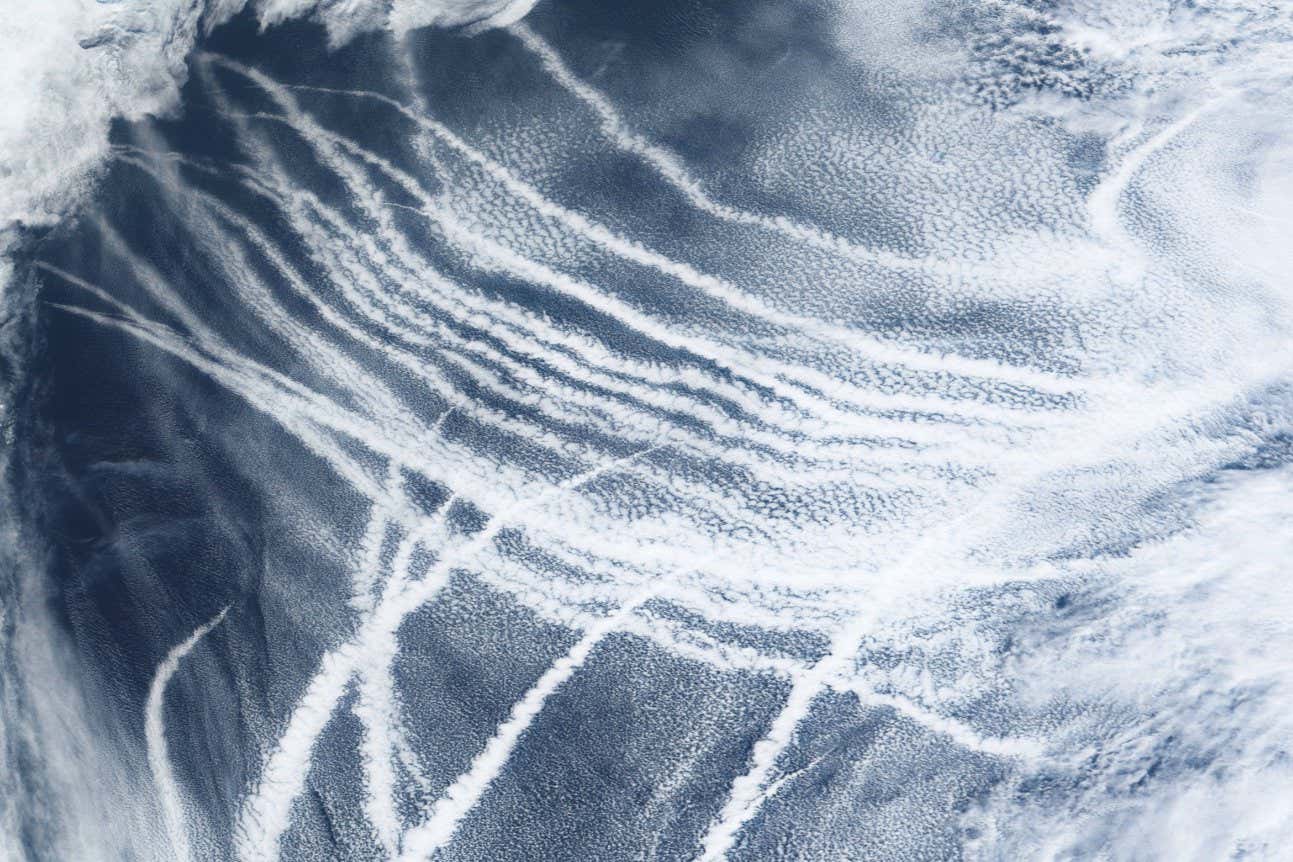
Modelling study explores marine cloud brightening as a way to reduce severe El Niño impacts
A modelling study suggests that marine cloud brightening — a form of short-term geoengineering that sprays seawater into clouds over the eas
 newscientist.com·19h ago
The audacious plan to refreeze the Arctic – podcast
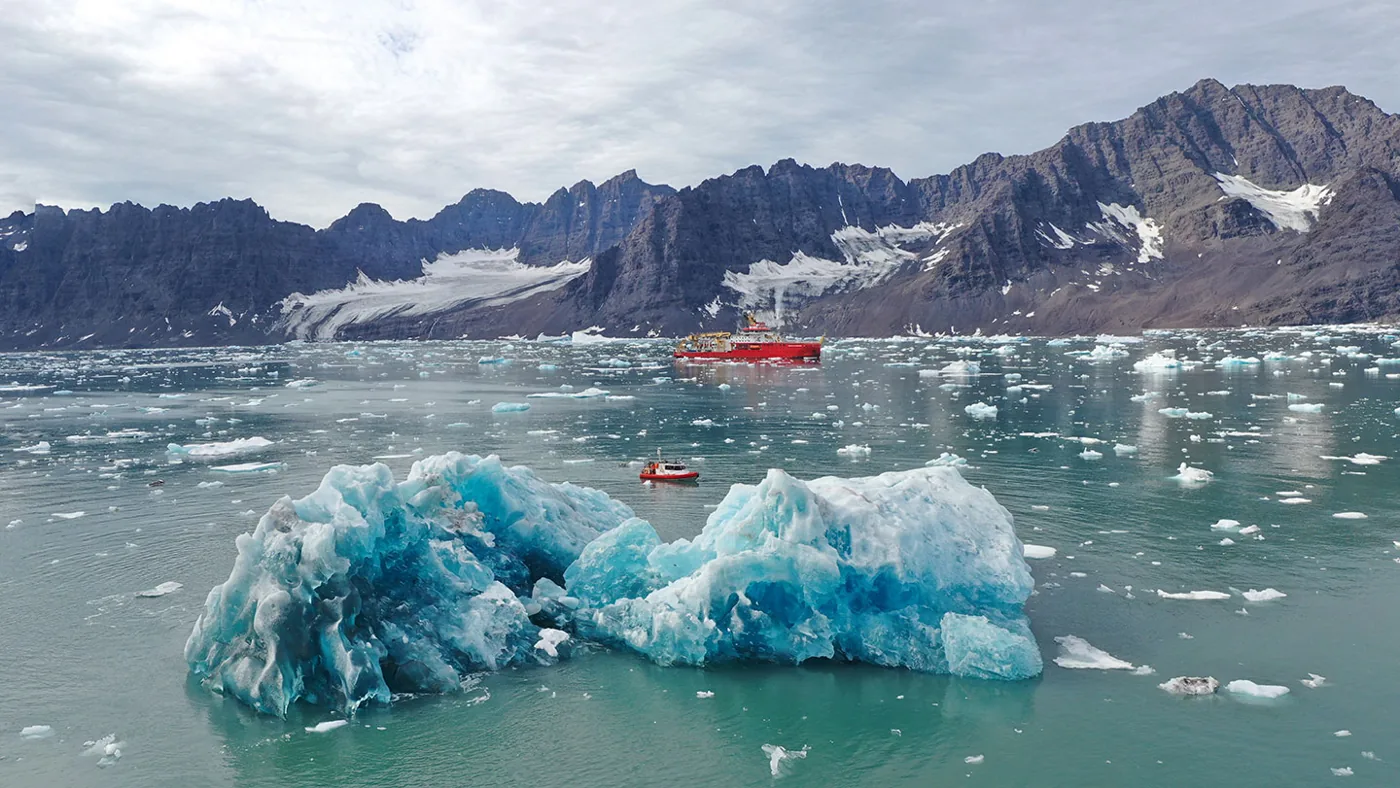
Robot swarm deployed to map Greenland's melting ice sheets and predict ocean current collapse
A British government-funded expedition to Greenland will deploy a swarm of robots and high-tech gadgets at glacier-sea boundaries to study i
 sciencenews.org·16h ago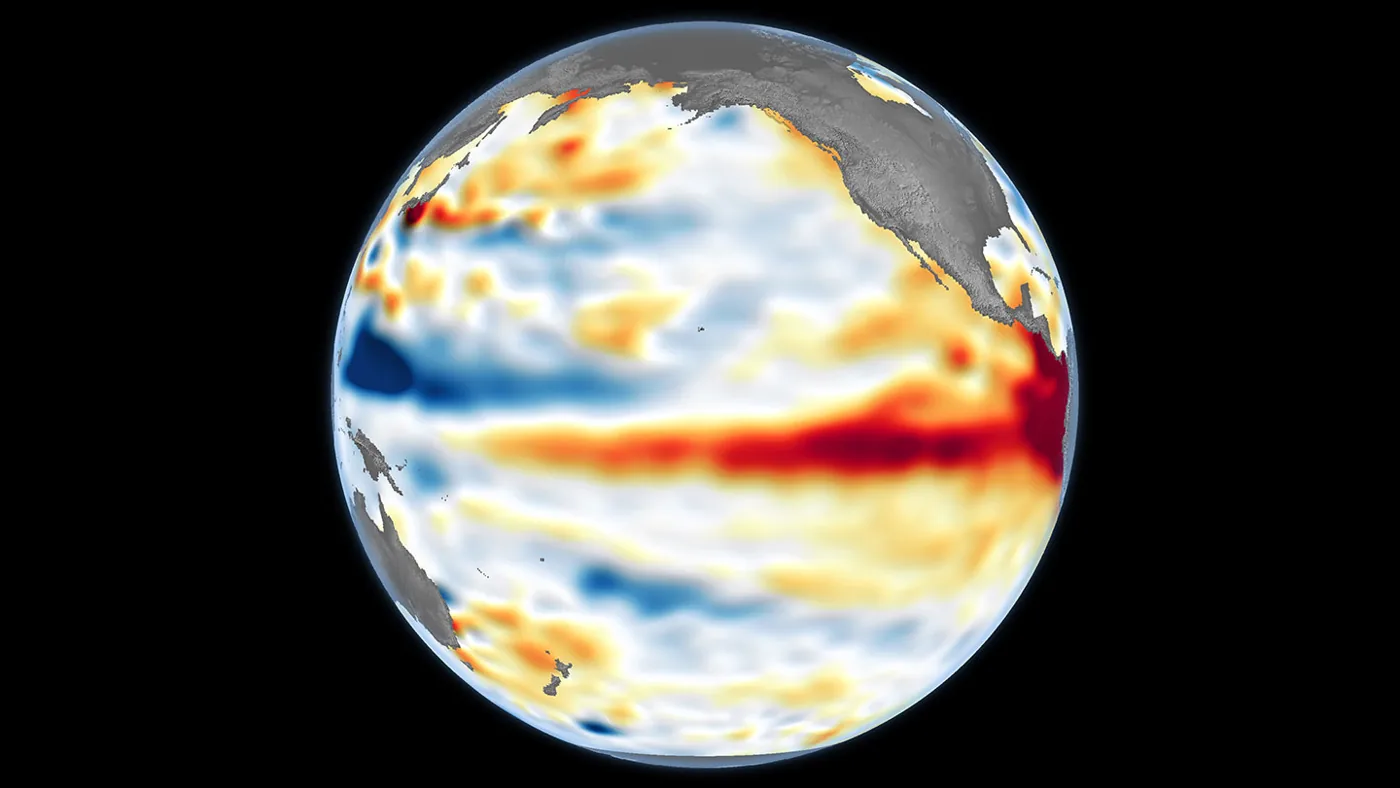
Simulations suggest marine cloud brightening could weaken extreme El Niño events
Scientists have proposed using marine cloud brightening — adding aerosols to the atmosphere over a specific region of the Pacific Ocean to i
sciencenews.org·19h ago
Comments
Sign in to join the conversation.
No comments yet. Be the first.