

























Study Finds Link Between Farming Exposure and ALS Mortality Risk in Postmenopausal Women
By
Talbott, Evelyn O., Malek, Angela M., Song, Ruopu, Whitsel, Eric A., Meliker, Jaymie R., Arena, Vincent C.
Summary
This study, nested within the Women's Health Initiative, examined the association between farming/insecticide exposure and ALS mortality risk among 93,676 postmenopausal women over 25+ years. Results showed that women with farming exposure had significantly higher odds of ALS death (aOR = 1.59), with risk increasing with longer exposure duration (≥20 years: aOR = 2.32). The risk was highest among women who both had farming exposure and smoked (aOR = 2.10). Little evidence was found for insecticide exposure alone, though statistical power was limited.
Source

 bskyStudy Finds Link Between Farming Exposure and ALS Mortality Risk in Postmenopausal Womenkarger.com
Key quotes
· 5 pulledAmong post-menopausal women with 25+ years follow-up, a significant association was noted between farming exposure and risk of ALS death.
This increased risk was highest among those who ever smoked.
Future studies should include biomarkers of exposure and large cohorts of men and women with occupational and residential histories.
Cases had higher odds of farming exposure than controls (adjusted odds ratio [aOR] = 1.59, 95% CI: 1.09–2.31)
Women with farming and smoking exposure had higher odds of ALS death (aOR = 2.10, 95% CI: 1.26–3.51, p = 0.0045)
You might also wanna read
Thousands of U.S. farmers have Parkinson's. They blame a deadly pesticide


Research Links Long-Term Air Pollution Exposure to Higher Dementia Risk
A growing body of research suggests that long-term exposure to outdoor air pollution is linked to an increased risk of dementia, including A
 cam.ac.uk·10mo ago
Egg Intake and the Incidence of Alzheimer's Disease in Adventist Health Study-2

Study links post-menopause memory decline to loss of estrogen production in brain tissue
A new preclinical Northwestern Medicine study reveals that memory decline after menopause may be linked to loss of estrogen production in br
 news.northwestern.edu·22d ago
Occupational standing, walking, and forward bending during pregnancy linked to increased miscarriage risk in Danish nationwide study
This nationwide Danish register-based cohort study (2004-2018) examined 803,829 pregnancies among 475,312 women to investigate the associati
 oem.bmj.com·1d ago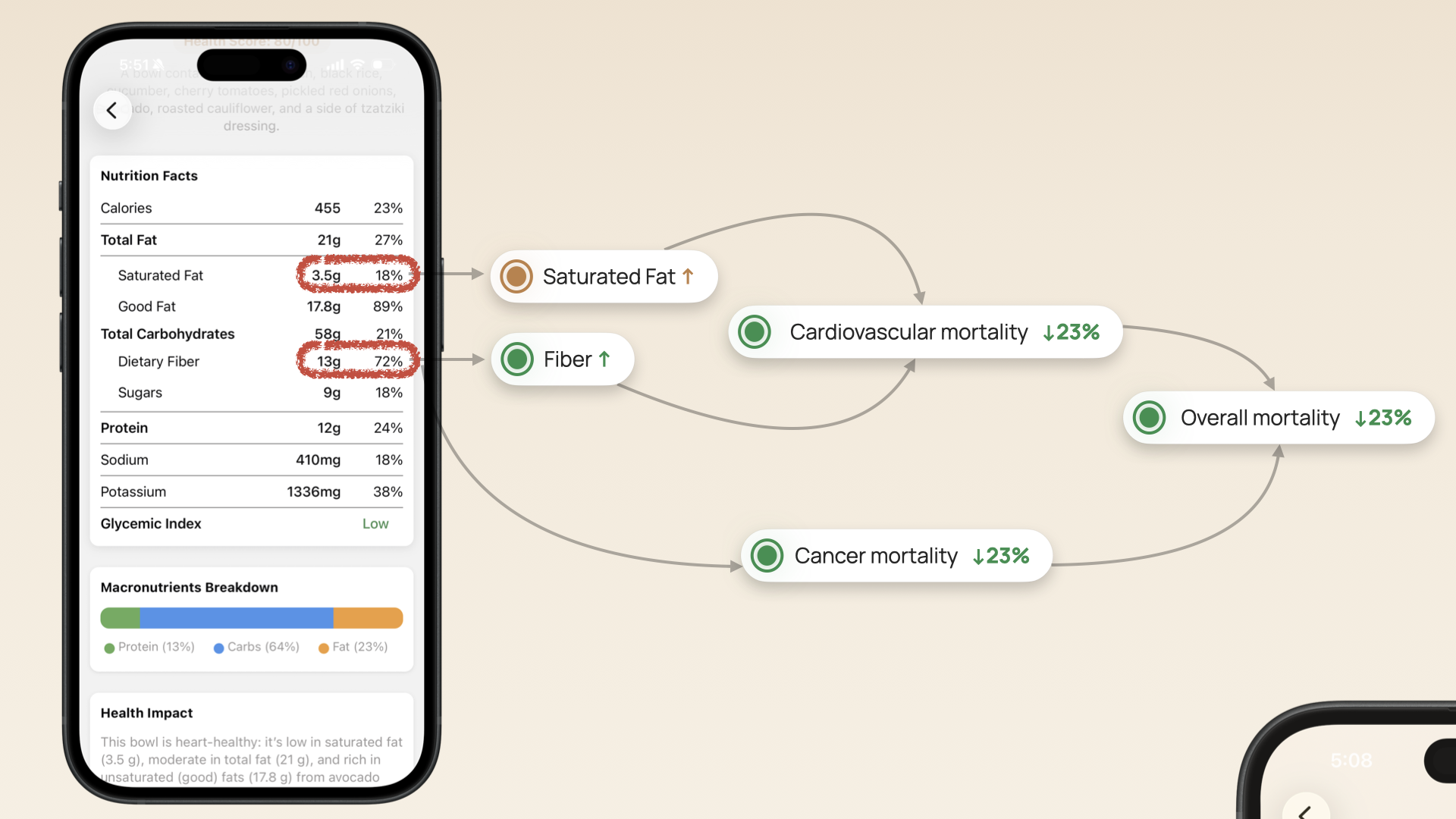
Meta-analysis: Fiber Reduces Overall Mortality by 23%, Cardiovascular Death by 26%, and Cancer Risk by 22%
A meta-analysis of 64 studies with over 3.5 million subjects found that fiber intake reduces overall mortality by 23%, cardiovascular mortal
 empirical.health·7mo ago