
























Qualcomm to bring data center chip technology to smartphones for better AI performance
By
Rachyl Jones
Summary
Qualcomm plans to bring chip architecture originally designed for data centers into smartphones, PCs, and cars to improve AI performance on mobile devices. The company announced its data-center chips this week, entering a competitive market facing shortages. Executive Vice President Durga Malladi stated that the technology's application will extend beyond data centers, with discussions underway with manufacturers across multiple device categories.
Source

 bskyQualcomm to bring data center chip technology to smartphones for better AI performancesemafor.com
Key quotes
· 2 pulledWhat starts in data centers is not going to end there.
Qualcomm, the chipmaker supplying smartphones and wearable devices, said it plans to use the new chip technology it created for data centers in smartphones — ultimately allowing AI to run better on mobile devices
You might also wanna read


Qualcomm launches AI200 and AI250 chips based on mobile technology to compete with Nvidia
Qualcomm is launching two new AI chips (AI200 in 2025 and AI250 in 2027) built on its mobile neural processing technology to challenge Nvidi
 The Verge·8mo ago
AI Boom Creates Memory Chip Shortage, May Drive Up Electronics Prices
The article discusses how the explosive growth of AI and cloud computing has created a severe shortage of memory chips, leading to supply-de
 npr.org·5mo ago
Qualcomm Acquires Arduino to Expand Developer Access to Edge Computing and AI
Qualcomm announces its acquisition of Arduino, a popular open-source electronics platform, to accelerate developer access to Qualcomm's edge
 qualcomm.com·8mo ago
OpenAI Partners with Broadcom to Develop Custom AI Chips
OpenAI has partnered with semiconductor company Broadcom to develop and produce its own AI chips for powering its data centers. This strateg
The Verge·8mo ago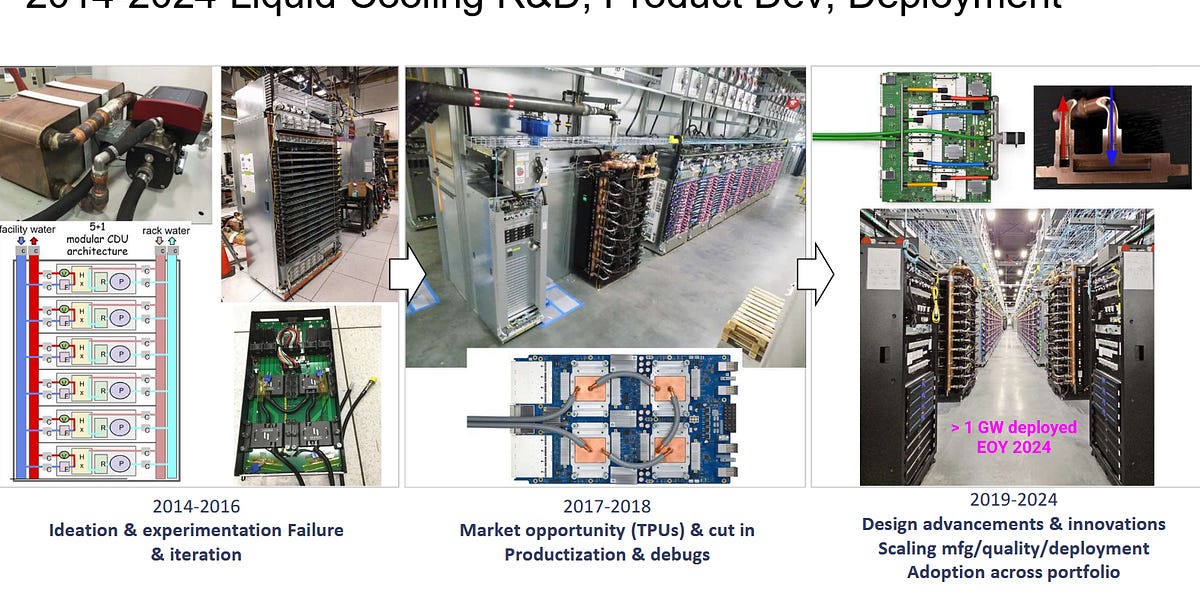
Google Presents Liquid Cooling Solutions for AI Datacenters at Hot Chips 2025
Google presented on liquid cooling technology for datacenters at Hot Chips 2025, highlighting how water's superior thermal conductivity (400
 chipsandcheese.com·10mo ago
Chinese Researchers Develop Analog Chip Claimed to Be 1,000 Times Faster Than Nvidia GPUs for Specific Applications
Chinese researchers from Peking University have developed a new analog chip using resistive random-access memory (RRAM) technology that repo
 livescience.com·7mo ago
Comments
Sign in to join the conversation.
No comments yet. Be the first.