
























Research reveals Mars can deflect solar wind through ionospheric Zwan-Wolf effect despite lacking magnetosphere
By
Evan Gough
Summary
New research reveals that planets without a global magnetic field, like Mars, can still deflect some solar wind through a phenomenon called the Zwan-Wolf effect occurring in their ionosphere. While Earth's magnetosphere provides robust protection from solar wind, Mars demonstrates an alternative deflection mechanism despite lacking a magnetosphere. The research explores how this effect operates in Mars' ionosphere, though it remains unclear how deep into the atmosphere this process extends. This helps explain why Mars still retains some atmospheric protection despite losing its global magnetic field billions of years ago.
Source
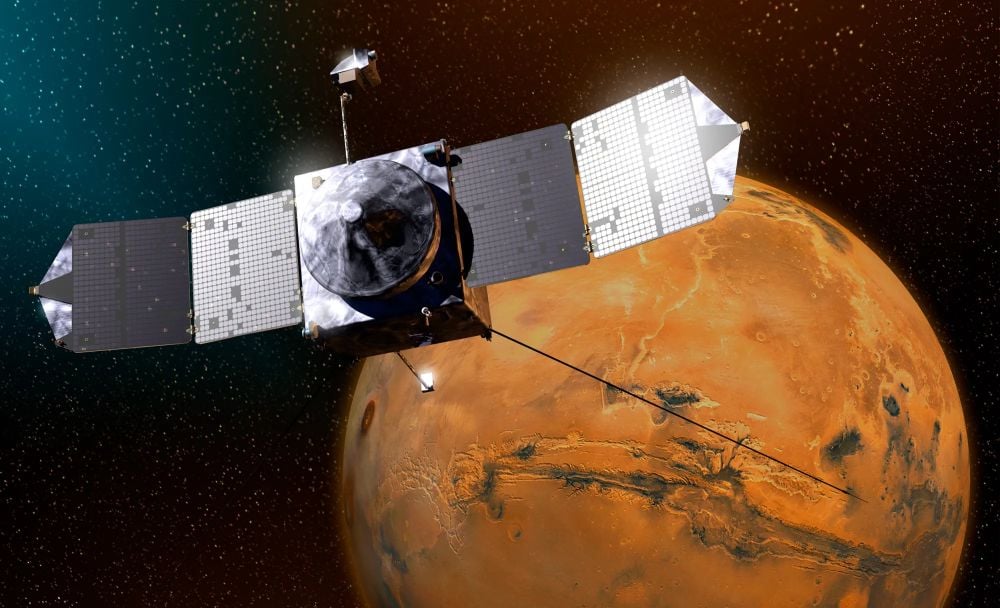
 bskyResearch reveals Mars can deflect solar wind through ionospheric Zwan-Wolf effect despite lacking magnetosphereuniversetoday.com
Key quotes
· 3 pulledIt's well-understood that magnetic shields protect planets from stars.
If Earth didn't have one, then the ozone layer would be destroyed, and UV radiation levels on the planet's surface would reach hazardous levels, damaging DNA and causing cancer in lifeforms.
Eventually, Earth's water would disappear into space, and Earth would look a lot more like Mars does today, after it lost its magnetosphere: cold, dr
You might also wanna read

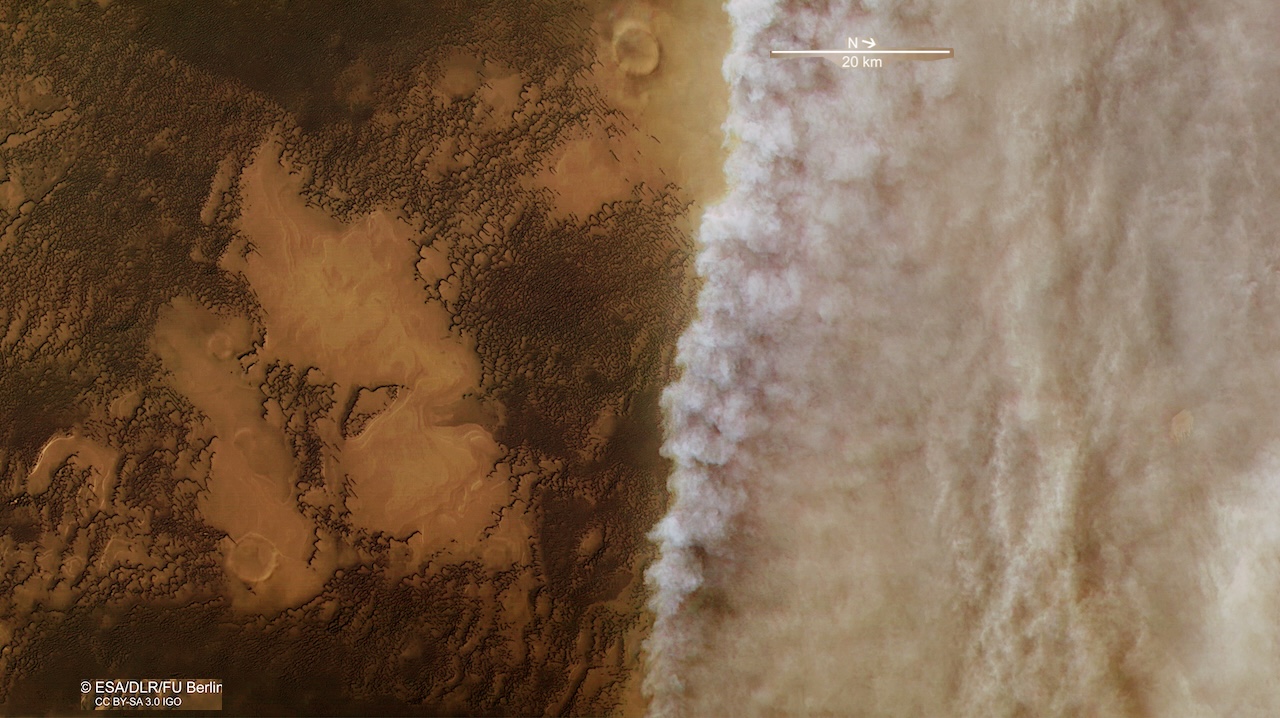
Study of Electrodynamic Effects During Martian Year 34 Global Dust Storm
This study examines the electrodynamic environment during the Martian year 34 global dust storm using data from the Mars Climate Database v.
 astrobiology.com·19h ago
NASA Scientists Uncover Link Between Earth's Magnetic Field and Oxygen Levels
NASA scientists have discovered a correlation between Earth's magnetic field strength and atmospheric oxygen fluctuations over 540 million y
science.nasa.gov·1y ago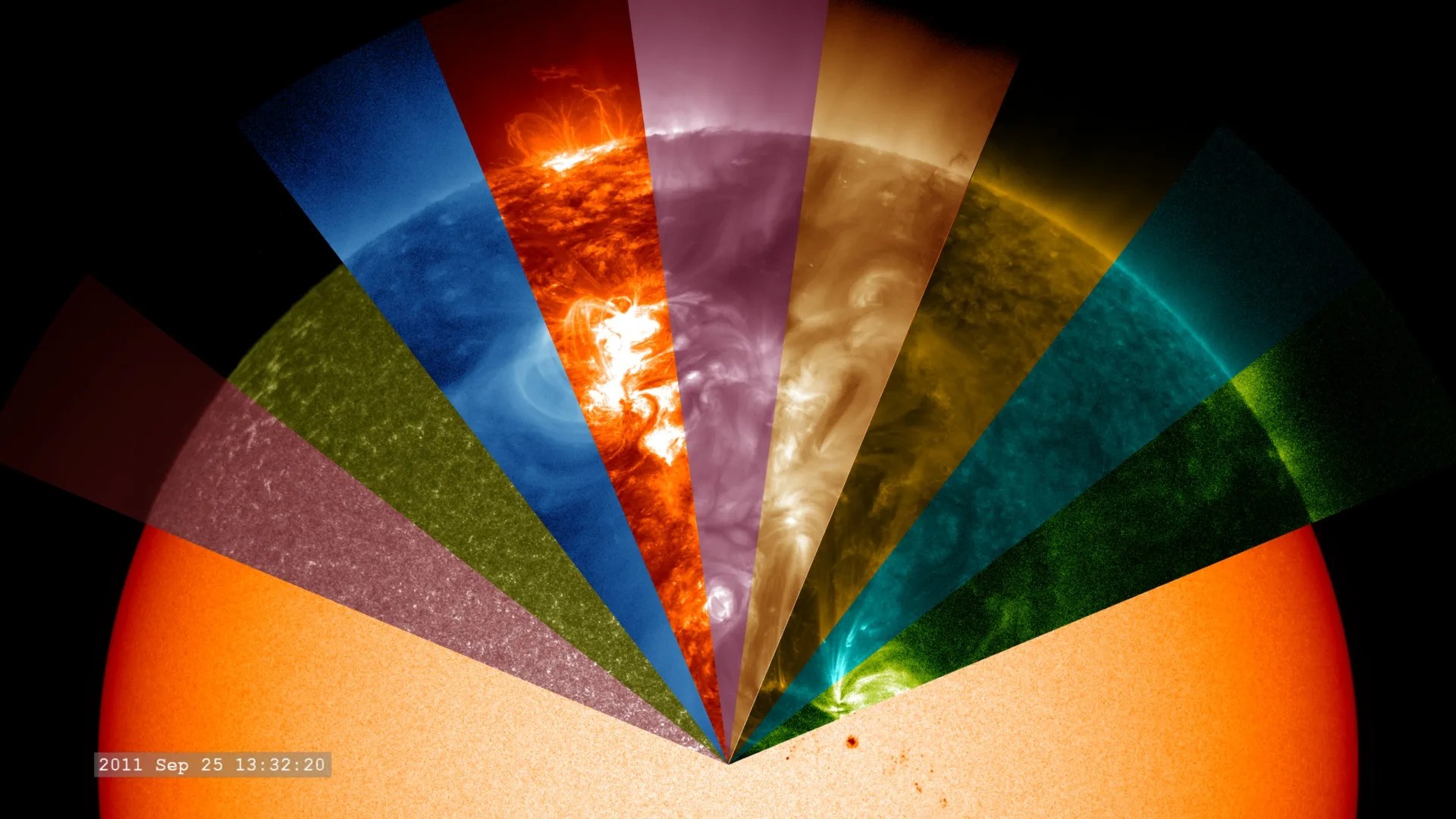
NASA Heliophysics Division: Studying the Sun's Influence on the Solar System
The NASA Heliophysics Division, part of the Science Mission Directorate, studies the Sun and its influence on space, planets, and technology
science.nasa.gov·5d ago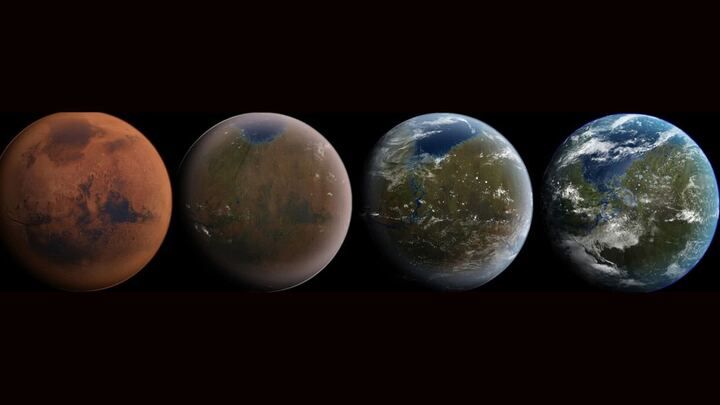
Scientists explore aerosol-based methods to warm Mars as first step toward terraforming
Scientists are researching methods to terraform Mars, including the dispersion of aerosols to warm the planet's atmosphere as a first step t
 space.com·2d ago
Scientists explore aerosol-based methods to warm Mars as first step toward terraforming
Scientists are researching methods to terraform Mars, including the dispersion of aerosols to warm the planet's atmosphere as a first step t
space.com·2d ago
Startup Proposes Geoengineering Solution to Dim Sun and Combat Global Warming
The article discusses Stardust, an Israeli startup proposing a geoengineering solution to combat global warming by mimicking volcanic erupti
 newyorker.com·7mo ago
What would happen if you tried to land on a gas giant?
Comments
Sign in to join the conversation.
No comments yet. Be the first.