





















NASA Scientists Uncover Link Between Earth's Magnetic Field and Oxygen Levels
By
rbanffy

Hand-rolled, kettle-boiled, baked to perfection. Worth every minute at the bakery.
Summary
NASA scientists have discovered a correlation between Earth's magnetic field strength and atmospheric oxygen fluctuations over 540 million years, suggesting a link between processes in the planet's interior and surface habitability.
Key quotes
· 3 pulledEarth’s magnetic field arises from the flow of material in the planet’s molten interior, which acts like a giant electromagnet.
Many scientists have argued that the magnetic field is crucial for pro
The research suggests that processes deep inside the Earth might influence habitability on the planet’s surface.
You might also wanna read

Japan leads in space-based solar power development
The article discusses Japan's emerging leadership in space-based solar power exploration, suggesting the country is winning a new space race
Lake Powell's retreat reveals thriving ecosystem in Glen Canyon
As Lake Powell's water levels drop due to drought, the once-submerged Glen Canyon is re-emerging, revealing a thriving ecosystem with toads,
 sltrib.com·44m ago
China approves world's first invasive brain-computer interface for paralyzed patients
China has approved the world's first invasive brain-computer interface (BCI) product for use beyond clinical trials, making it available to
 technologyreview.com·45m ago
Royal Society elects over 90 new Fellows including pioneers in palaeontology and oncofertility
The Royal Society has elected over 90 outstanding researchers from across the world as new Fellows for this year. The cohort includes pionee
 royalsociety.org·1h ago
Gessel gold hoard: 3,300-year-old Bronze Age treasure among largest in prehistoric Europe
The Gessel gold hoard is a 3,300-year-old Bronze Age treasure discovered in Germany, consisting of only three pieces of jewelry yet ranking
 livescience.com·1h ago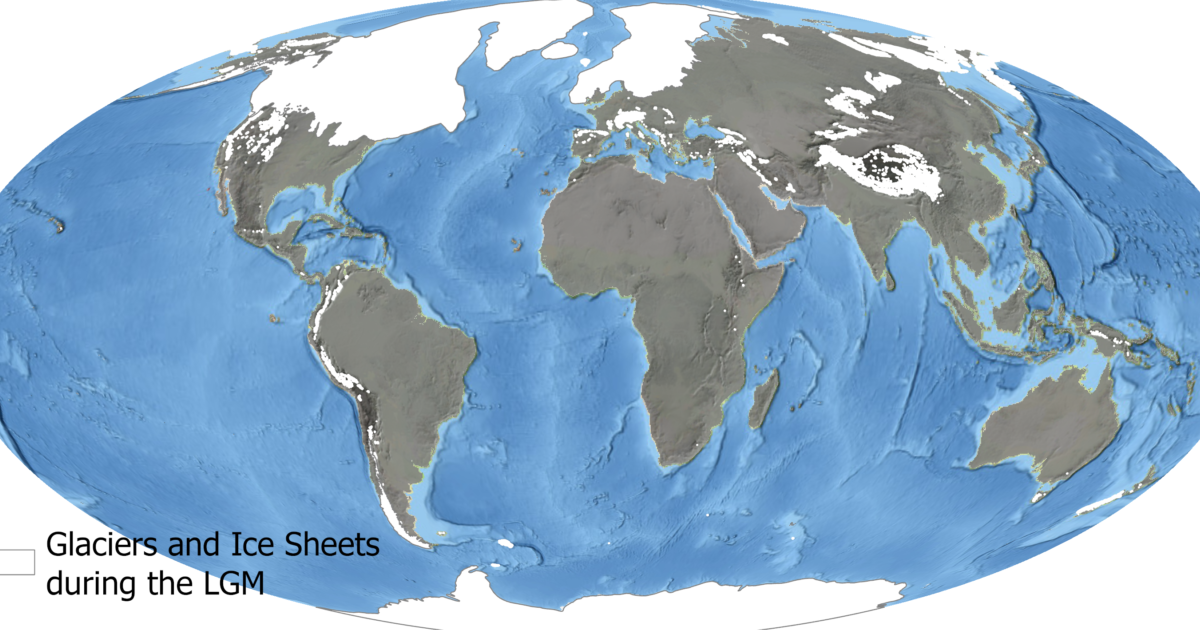
Global database maps Ice Age mountain glacier extents from 21,000 years ago
Researchers Augusto Lima and Suzette Flantua from the University of Bergen and the Bjerknes Centre have created GLACIMONTIS, a global geodat
 bjerknes.uib.no·1h ago