
























The science of hypnosis: from stage tricks to clinical applications
By
BY George Musser, Jr.
Summary
The article explores the history, science, and modern applications of hypnosis, moving beyond stage-show stereotypes. It covers how hypnosis works in the brain, its clinical uses for pain management, anxiety, and habit change, and the growing body of research validating its effectiveness. The author also shares a personal anecdote about trying self-hypnosis as a student to improve memory for biology class, which ultimately didn't work for them.
Source
 bskyThe science of hypnosis: from stage tricks to clinical applicationspioneerworks.org
Key quotes
· 3 pulledThe voice was supposed to put me into a trance and prime my memory to retain long lists of terms—making me like The Manchurian Candidate, except that I would kill not a politician but a test.
After a few sessions without noticeable improvement, I gave up on biology and decided to study physics instead.
Long thereafter, I re
You might also wanna read


The Science of Anesthesia: How the Brain Shuts Down Under Anesthetic Drugs
The article explores the history and science of anesthesia, beginning with William Morton's 1846 demonstration of ether at Massachusetts Gen
 magazine.hms.harvard.edu·7d ago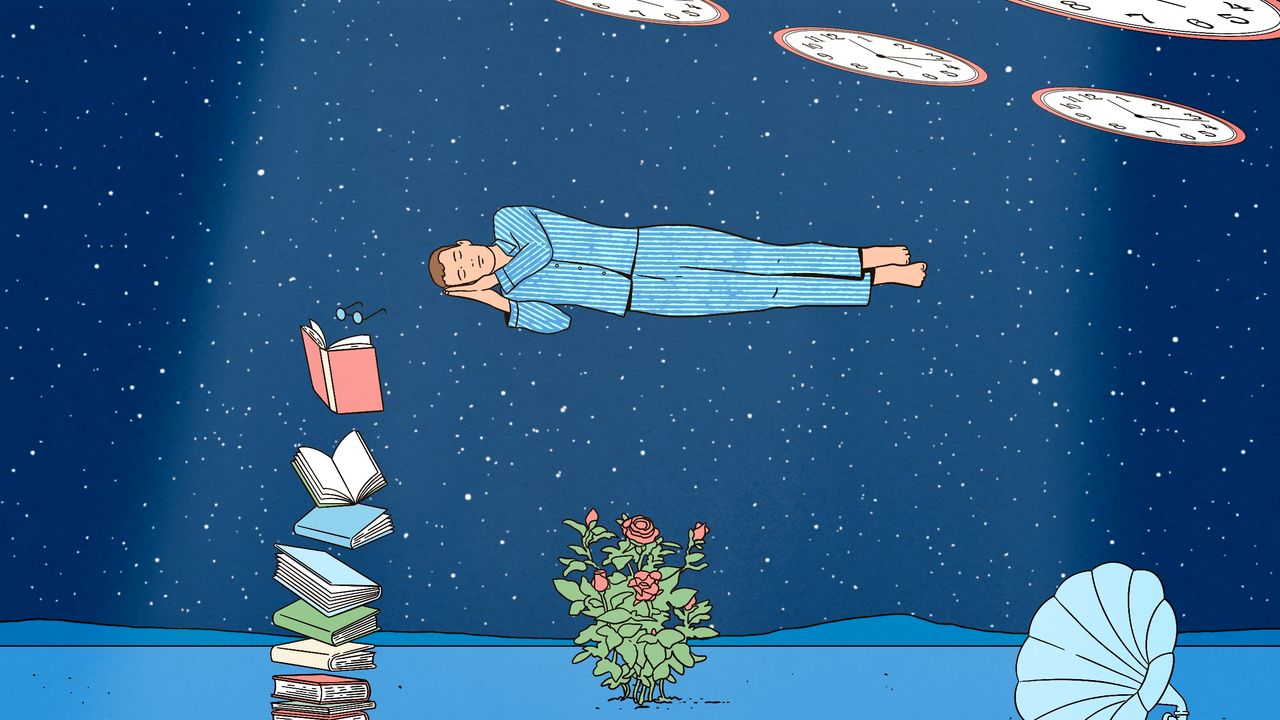
The Science and Ethics of Learning While Asleep: From the Psycho-phone to Modern Dream Research
This article explores the history and modern science of sleep learning, from Alois Benjamin Saliger's 1932 Psycho-phone to contemporary rese
 The New Yorker·1mo ago
The Creative Power of the Hypnagogic State: How Drowsiness Between Sleep and Wakefulness Fuels Innovation
The article explores the hypnagogic state - the transitional period between wakefulness and sleep - and its potential to enhance creativity.
 theconversation.com·6mo ago
Biohacking blends ancient wellness practices with modern technology for personalized healing
The author recounts a personal health crisis involving chronic fatigue, low energy, and cognitive decline. Rather than accepting medication
 psychologytoday.com·4d ago
How is a book going to help me? 📚

Scientific Research Shows Musical Training Enhances Brain Structure and Function
The article explores scientific research showing that musical training, even for amateurs, has significant positive effects on brain structu
 economist.com·3mo ago
Comments
Sign in to join the conversation.
No comments yet. Be the first.