
























3D printing expands into living tissue electronics
By
The Economist
Summary
This article briefly introduces the evolution of 3D printing from its origins in the 1980s as a prototyping tool to its modern applications in kitchen gadgets, jet-engine parts, dental implants, and buildings. The headline suggests a focus on printing electronics onto living tissues, but the provided content is extremely limited — essentially a short blurb and metadata about the article's placement in the Science & technology section of The Economist's print edition, with no substantive discussion of the actual topic.
Source
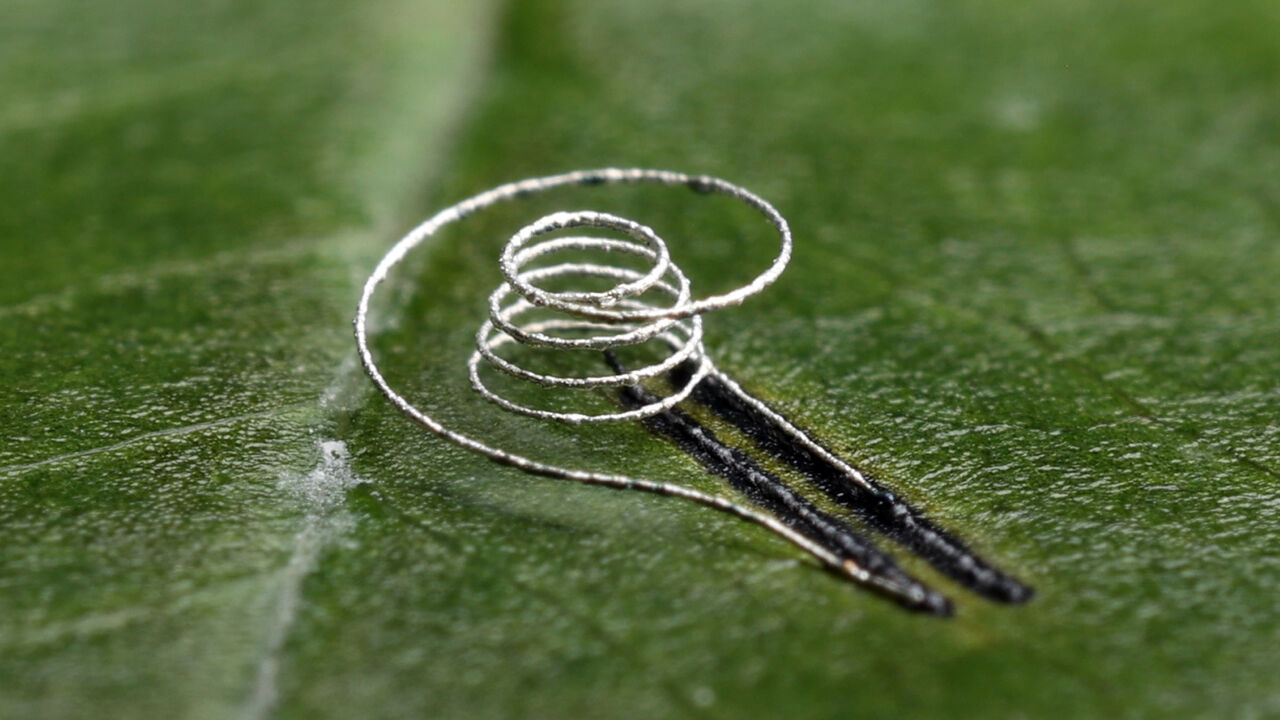
 bsky3D printing expands into living tissue electronicseconomist.com
Key quotes
· 3 pulledIT BEGAN IN the 1980s as a way to quickly produce simple prototype models in plastic.
These days 3D printing—or 'additive manufacturing', to give it its posher name—is used to make kitchen gadgets, jet-engine parts, dental implants and even some buildings.
This article appeared in the Science & technology section of the print edition under the headline 'Additive artistry'
You might also wanna read

Innovative Approach Embeds Electronic Components in 3D Printed Objects
3D printers have revolutionized the ability to create physical objects from digital designs, but adding smart features like digital processo
spectrum.ieee.org·1y ago
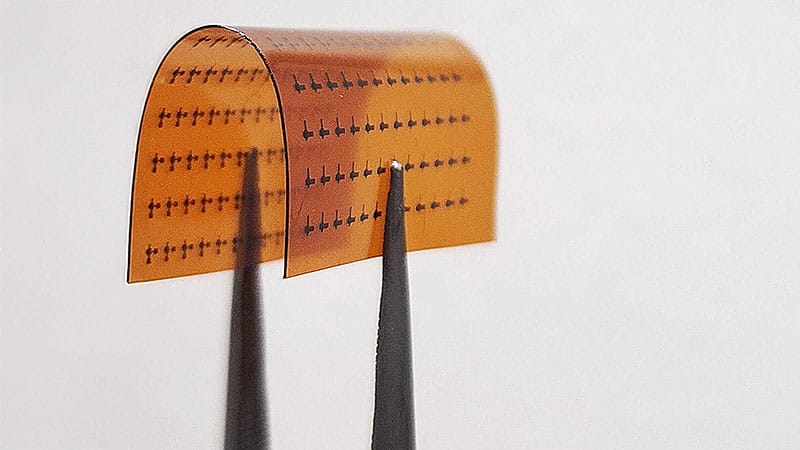
Printed artificial neurons from MoS₂ successfully trigger firing in living mouse brain cells
Researchers at Northwestern University have successfully printed artificial neurons from molybdenum disulfide (MoS₂) on flexible plastic tha
 mdsc.pe·10d ago
UBCO Researchers Develop 3D-Printed Living Lung Tissue
UBCO researchers have developed a 3D bio-printed model that mimics natural lung tissue, revolutionizing the study of lung disease and treatm
news.ok.ubc.ca·11mo ago
Eight Innovative 3D-Printed Lamps Showcasing Design Potential Beyond Disposable Products
The article explores how 3D printing technology is evolving beyond disposable plastic products to create timeless design objects, specifical
 Dezeen·7mo ago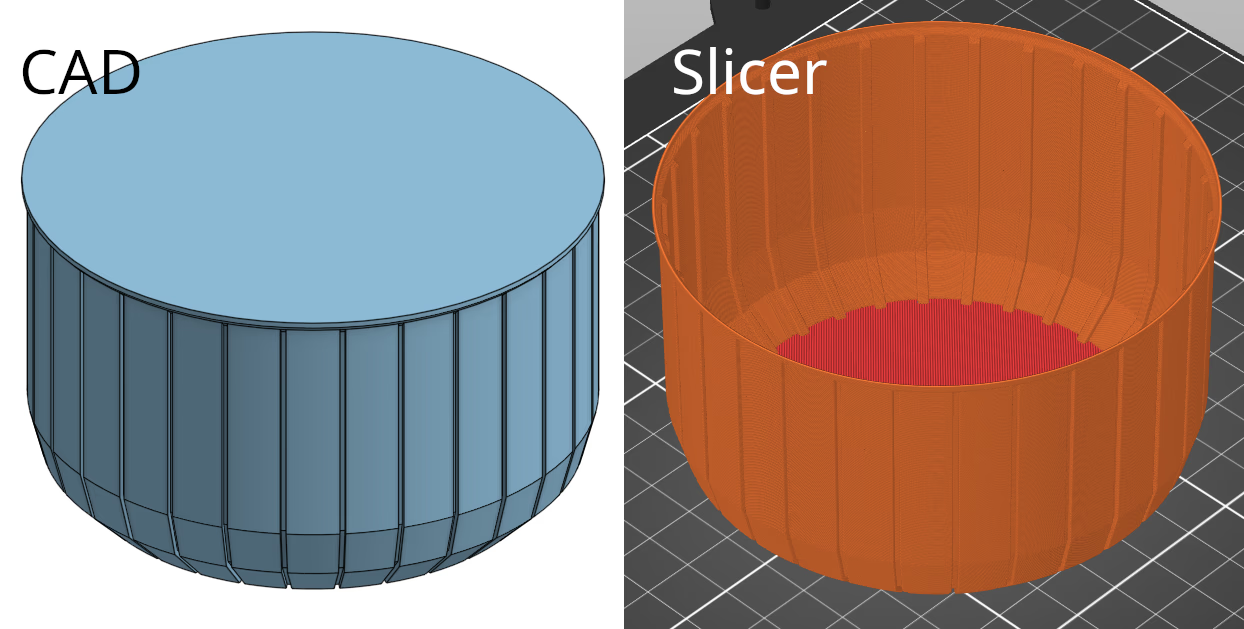
Advanced Applications of 3D Printing Vase Mode: Beyond Decorative Objects
This technical article explores advanced applications of 3D printing's vase mode beyond its conventional uses. The author compiles scattered
 vorpal.se·7mo ago
Designing a Custom 3D-Printed Ergonomic Laptop Setup: Iterative Improvements and Lessons Learned
The article details the author's personal journey of iteratively designing and 3D printing an ergonomic laptop setup. After previous version
 ntietz.com·5mo ago
Comments
Sign in to join the conversation.
No comments yet. Be the first.