
























Base editing used to modify human embryo DNA, reigniting designer baby debate
By
Carolyn Y. Johnson
5d ago· 1 min readenNews
Summary
Scientists have used base editing, a next-generation gene-editing tool, to precisely modify DNA in human embryos. This technique nicks only one DNA strand, avoiding the major errors associated with CRISPR, but has reignited ethical debates about "designer babies."
Source

 bskyBase editing used to modify human embryo DNA, reigniting designer baby debatewashingtonpost.com
Key quotes
· 2 pulledScientists have announced the successful use of a next-generation tool to precisely edit human embryos' DNA
Base editing, the process used to make the changes, only nicks one strand of DNA, avoiding the major DNA errors that made CRISPR unsafe
Base editing, the process used to make the changes, only nicks one strand of DNA, avoiding the major DNA errors that made CRISPR unsafe.
You might also wanna read


For the second time this month, a team of researchers has reported harnessing a precise gene-editing technique to alter the DNA of human embryos
go.nature.com

First In-Vivo Gene-Editing Therapy Successfully Saves Newborn's Life in 2025
In 2025, doctors and scientists in the U.S. successfully performed the world's first custom gene-editing therapy inside a living person—a ne
 popularmechanics.com·6mo ago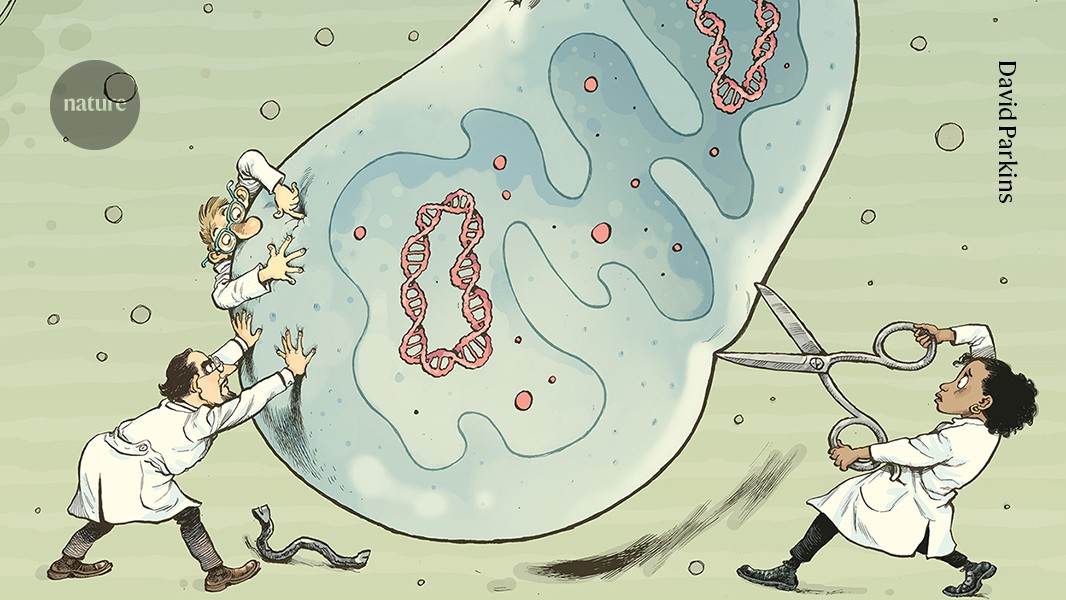
CRISPR's Limitations in Mitochondrial DNA Editing and Emerging Alternatives
The article discusses the limitations of CRISPR gene editing technology in accessing mitochondrial DNA (mtDNA) and the resulting challenges
 nature.com·8mo ago
Small-molecule switches put therapeutic CRISPR editing under on-demand control in living tissues
Phys·1d ago
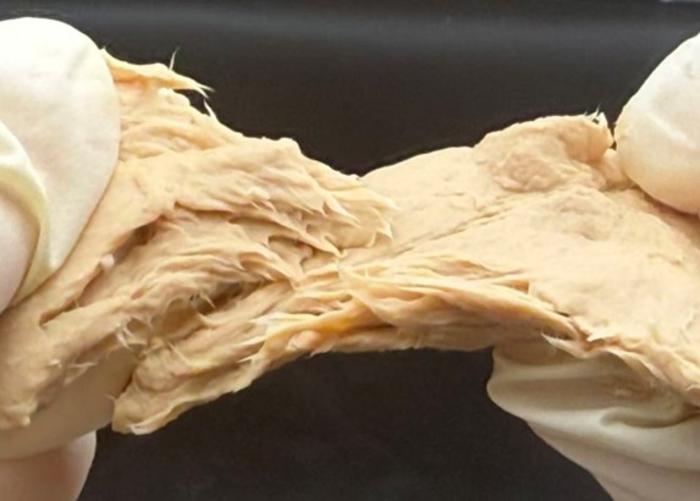
CRISPR-Enhanced Fungus Offers Sustainable Meat Alternative with Improved Nutrition
Researchers have used CRISPR gene editing to enhance Fusarium venenatum, a naturally meat-like fungus, making it more efficient, nutritious,
isaaa.org·6mo ago
CRISPR takes a bold leap toward silencing Down syndrome's extra chromosome
medicalxpress.com·2mo ago
Comments
Sign in to join the conversation.
No comments yet. Be the first.