
























Distributed Biomanufacturing: Rethinking Production and Logistics for Autologous Cell Therapies
By
Cheryl Scott
22d agoen
Source
 bioprocessintl.comDistributed Biomanufacturing: Rethinking Production and Logistics for Autologous Cell Therapiesbioprocessintl.com
Centralized manufacturing is not scalable for autologous cell therapies, but pure point-of-care models are not ready for scale. As this roundtable discussion reveals, hybrid distributed models could provide a bridge from one to the other. Regional and hub-and-spoke approaches offer a pragmatic balance between patient proximity and centralized quality oversight. Standardization is the key to decentralization, quality systems must be redesigned for distribution, and digital orchestration is a strategic requirement.
You might also wanna read

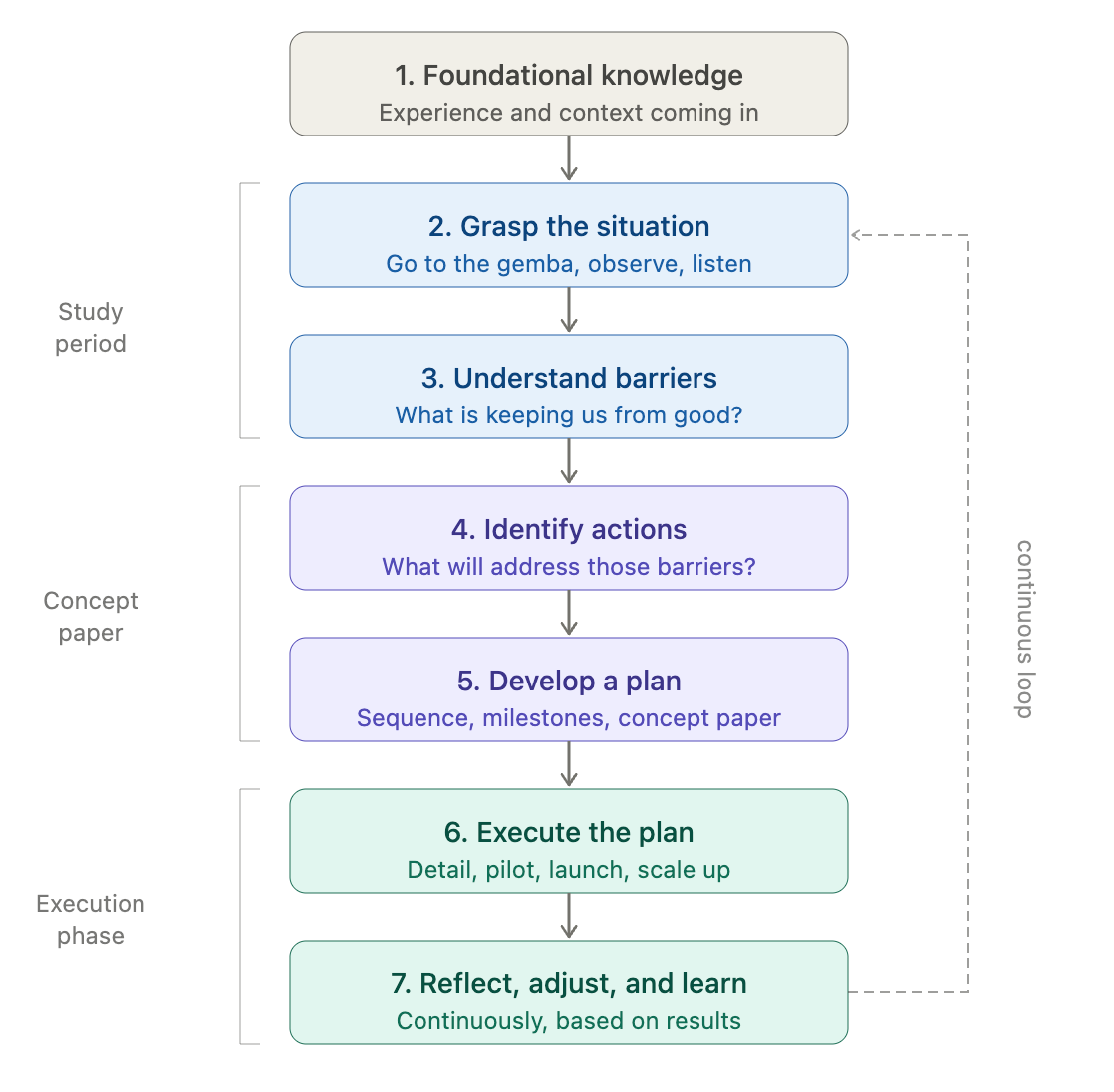
Manufacturing and regulatory hurdles threaten cell and gene therapy progress
The article discusses how manufacturing and regulatory challenges are hindering the progress of cell and gene therapies, particularly in can
 medium.com·23d ago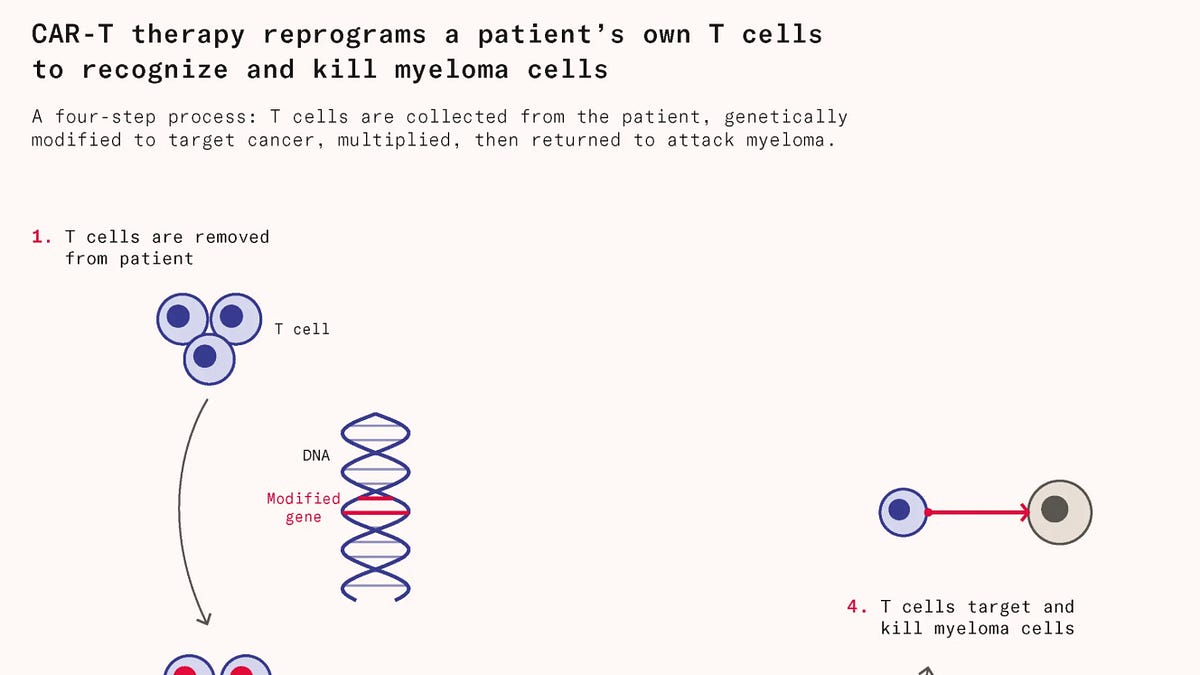
How excessive FDA manufacturing requirements are bottlenecking cell and gene therapy companies
The article argues that excessive FDA manufacturing requirements are crippling cell and gene therapy companies, using Grace Therapeutics as
 writingruxandrabio.com·4d ago
Study Shows Low-Cost Portable Biotech Tools Can Expand Access to Research and Diagnostics in Resource-Limited Settings
A global research team led by University of Toronto's Leslie Dan Faculty of Pharmacy has demonstrated the effectiveness of low-cost, portabl
 genengnews.com·28d ago
Next-generation immune models: bioinks, 3D bioprinting, and future directions
cell.com·1mo ago
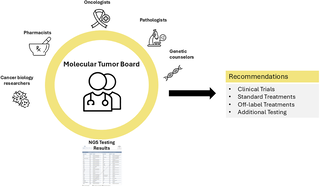
Molecular tumor boards show promise in bridging precision oncology's translation gap
This Perspective article examines the "translation gap" in precision oncology—the challenge of turning complex genomic data into actionable
 plos.io·6d ago
China creates new regulatory pathway to accelerate access to advanced biomedical therapies
China has established a new regulatory "tech track" for advanced therapies like personalized cancer treatments, cell and gene therapies, and
 biopharmadive.com·23d ago
Comments
Sign in to join the conversation.
No comments yet. Be the first.