
























How excessive FDA manufacturing requirements are bottlenecking cell and gene therapy companies
By
Ruxandra Teslo
Summary
The article argues that excessive FDA manufacturing requirements are crippling cell and gene therapy companies, using Grace Therapeutics as a case study. Grace may shut down after the FDA demanded a costly second manufacturing run before allowing a new drug application. The author contends this is a systemic problem where overly burdensome manufacturing regulations — a "boring" but critical bottleneck — are killing promising therapies before they reach patients, particularly for ultra-rare diseases where small patient populations make high compliance costs unsustainable.
Source
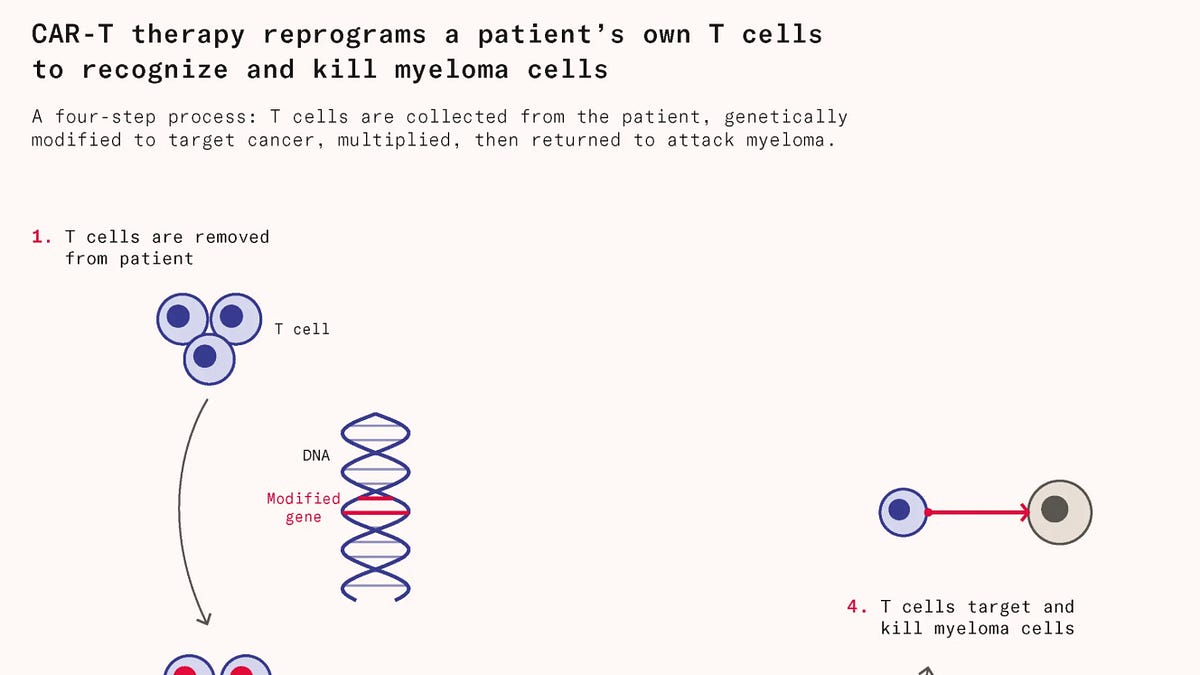
 bskyHow excessive FDA manufacturing requirements are bottlenecking cell and gene therapy companieswritingruxandrabio.com
Key quotes
· 4 pulledGrace Therapeutics announced it may be forced to shut down after the FDA requested a second manufacturing run before it can submit its new application for approval.
This is a requirement the company says it simply cannot survive, as it would require another twenty million or so in funding.
Excessive manufacturing requirements are a pervasive problem, especially in the f
Some of the most promising drugs are bottlenecked by a 'boring' but incredibly important problem
You might also wanna read


Inside the Grey Market Peptide Economy: Regulatory Gaps and Underground Pharmaceutical Infrastructure
This article investigates the parallel pharmaceutical infrastructure built around grey market peptides like BPC-157 and semaglutide. It cont
 vectorculture.substack.com·6mo ago
Personal Reflection on Using Proprietary Medical Devices for Diabetes Management
The article discusses the author's personal experience with diabetes and their difficult choice to use a proprietary continuous glucose moni
 sfconservancy.org·6mo ago
U.S. restrictions on Chinese biotech could harm patients, argues editorial
The article argues against U.S. efforts to restrict collaboration with China's biotechnology industry, framing it as an extension of the tec
 economist.com·15d ago
U.S. restrictions on Chinese biotech could harm patients, argues editorial
The article argues against U.S. efforts to restrict collaboration with China's biotechnology industry, framing it as an extension of the tec
The Economist·15d ago
The costly failure of amyloid-beta drugs: A cautionary tale in pharmaceutical development
The article discusses drug classes that are perceived as failures after massive investment and clinical trials, using amyloid-beta drugs for
 owlposting.com·1mo ago
Goldman Sachs Report Questions Financial Sustainability of Curative Gene Therapies
Goldman Sachs analysts question whether curing patients is a sustainable business model for biotech companies, particularly those developing
 cnbc.com·7mo ago
Memory Manufacturers Shift Focus from Smartphones to Hyperscalers, Threatening 2026 Device Markets
The article analyzes a global memory shortage crisis driven by a fundamental shift in semiconductor manufacturing priorities. Rather than a
 idc.com·6mo ago
Comments
Sign in to join the conversation.
No comments yet. Be the first.