
























Study links dihydropyridine calcium channel blockers to worse kidney outcomes in type 2 diabetes patients
By
ByLucas Laboy
4d ago· 5 min readenNews
Summary
A study presented at the European Renal Association Congress found that dihydropyridine calcium channel blockers (DCCBs), a commonly prescribed antihypertensive medication, may be linked to worse kidney outcomes in patients with type 2 diabetes and diabetic kidney disease. Researchers led by Dr. Timna Agur from Rabin Medical Center in Israel analyzed data suggesting these medications could negatively impact kidney function in this patient population.
Source
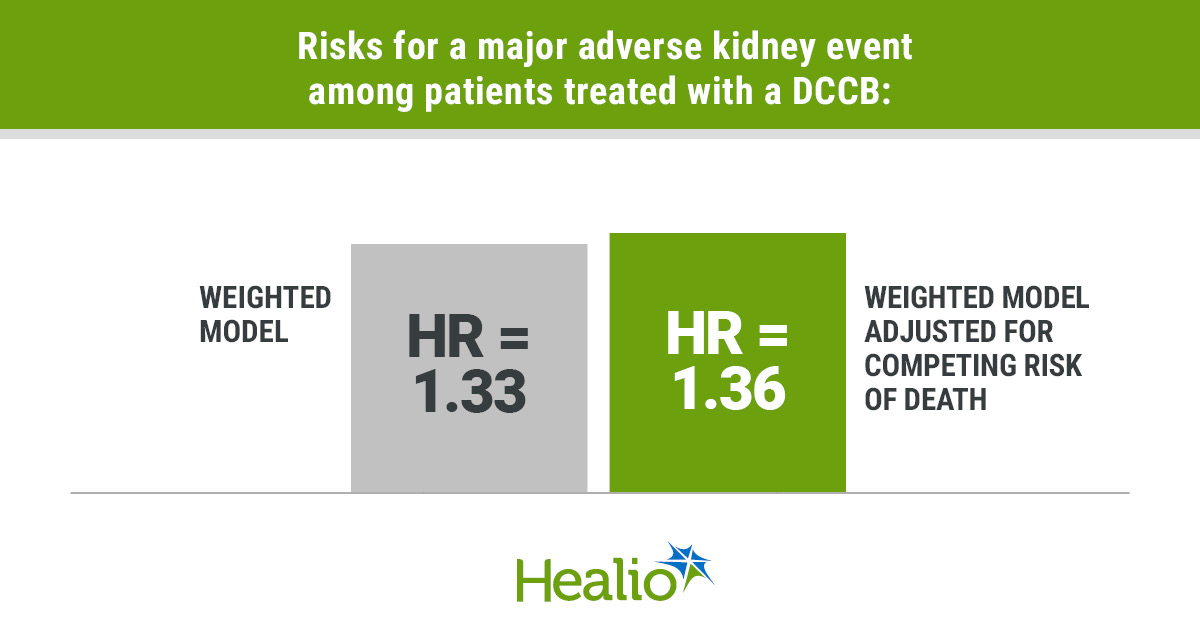
 Twitter / XStudy links dihydropyridine calcium channel blockers to worse kidney outcomes in type 2 diabetes patientshealio.com
Key quotes
· 2 pulledDihydropyridine calcium channel blockers (DCCBs) are a commonly prescribed antihypertensive medication for patients with diabetic kidney disease, according to Timna Agur, MD, senior nephrologist at Rabin Medical Center in Israel.
Agur and colleagues sought to understand what effect DCCBs, in con
Dihydropyridine calcium channel blockers may be linked to worse kidney outcomes for patients with type 2 diabetes, according to study data presented at the European Renal Association Congress in Glasgow, Scotland.
Dihydropyridine calcium channel blockers
You might also wanna read
Mineralys' pill cuts blood pressure in kidney disease patients
reuters.com·1mo ago


Research Suggests Heart Disease, Kidney Disease and Type 2 Diabetes May Be One Condition Treatable with GLP-1 Drugs
The article discusses the emerging medical concept of "CKM syndrome" (cardiometabolic kidney syndrome), which suggests that heart disease, k
 scientificamerican.com·6mo ago
STAT+: FDA approves Vera Therapeutics kidney disease treatment
STAT·2h ago
Researchers Reverse Kidney Damage in Mice by Targeting Ceramide-Induced Mitochondrial Damage
Researchers at University of Utah Health discovered that fatty molecules called ceramides trigger acute kidney injury (AKI) by damaging mito
sciencedaily.com·7mo ago

Gene–disease relationships for glomerular phenotypes: expert recommendations from ClinGen
doi.org·13d ago
Phenome-wide analysis of downstream health outcomes following second-line antidiabetic agent prescriptions in All of Us
doi.org·11d ago
Comments
Sign in to join the conversation.
No comments yet. Be the first.