
























How Cooperative Caregiving and Kinship Systems May Have Shaped the Evolution of Sexual and Gender Diversity
By
Francisco R. Gómez JiménezDoug P. VanderLaan
Summary
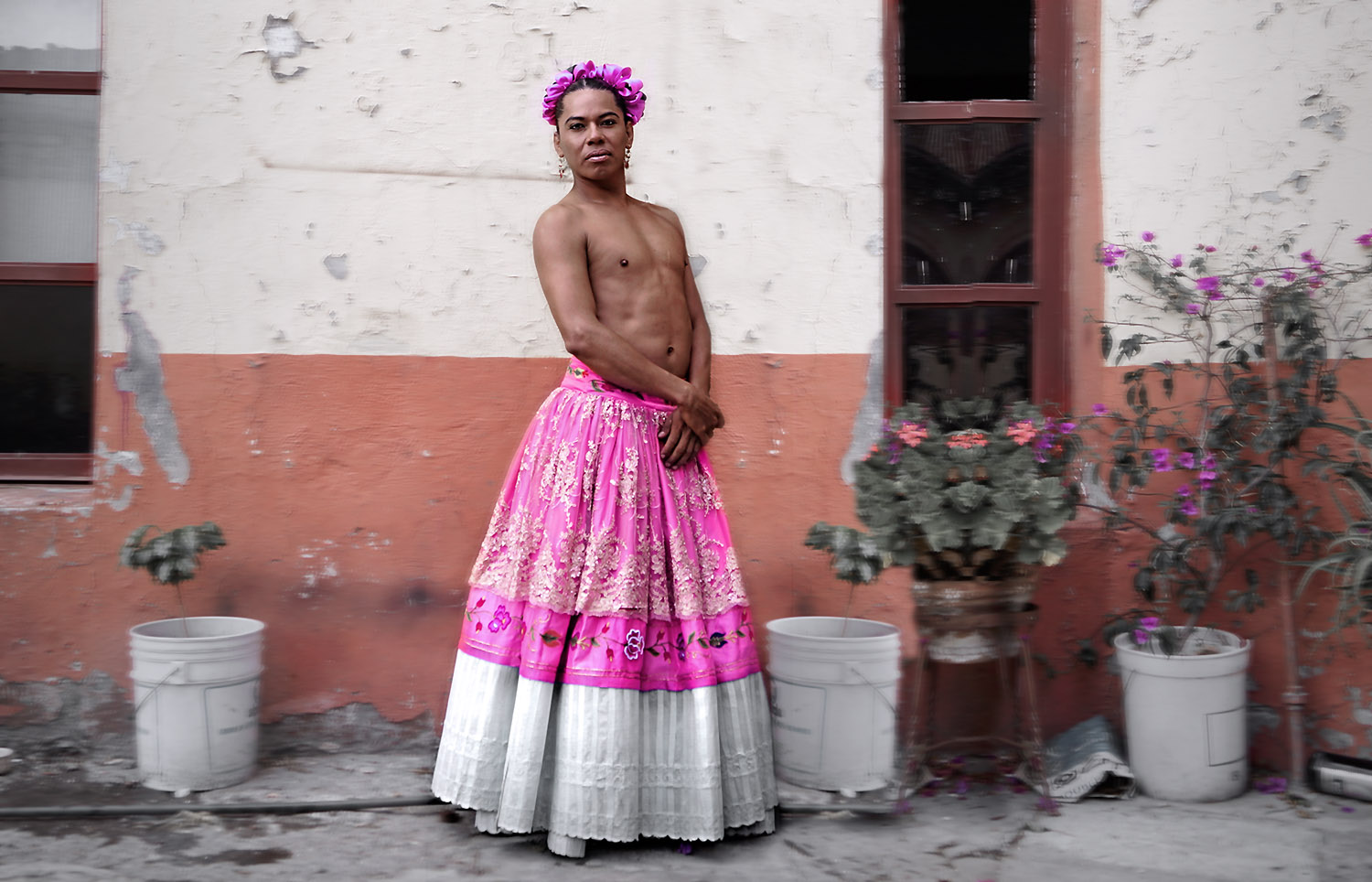
This article explores how human cultural practices of cooperative caregiving and kinship systems may have shaped the evolution and persistence of sexual and gender diversity across societies. Drawing on cross-cultural research, including examples from Thailand, Samoa, and other non-Western cultures, the piece argues that same-sex sexuality and gender diversity have endured throughout human history partly because family and community support systems allowed gender-nonconforming individuals to contribute to caregiving and kinship roles. The article challenges purely evolutionary models that frame same-sex sexuality as a paradox, instead proposing that cooperative breeding and flexible kinship structures in human societies created niches for diverse sexual and gender expressions.
Source
 bskyHow Cooperative Caregiving and Kinship Systems May Have Shaped the Evolution of Sexual and Gender Diversityprosocial.world
Key quotes
· 3 pulledResearch across cultures suggests that family care and support may help explain why same-sex sexuality has endured throughout human history.
A mother explained that her 7-year-old was neither a boy nor a girl. Rather, the child was tung ting, a Thai term that our interpreter translated as 'girlish.'
Instead, her child preferred feminine toys, liked to imitate female characters from television and movies, and enjoyed dance.
You might also wanna read


Interview: Evolutionary Psychology, Sex Differences, and the Nature-Nurture Debate
An interview with the author of "A Billion Years of Sex Differences" discussing evolutionary psychology, the interplay of nature and nurture
 stevestewartwilliams.com·6d ago
Ancient DNA reveals human evolution is a complex network, not a simple branching tree
This article argues that the traditional metaphor of a branching "human family tree" is outdated and misleading. Instead, based on ancient D
 universal-sci.com·11d ago
The Child-Like Role of Dogs in Western Societies

Applying Rademacher Complexity and Mean Field Approximations to Evolutionary Models of Group Selection
This article explores the intersection of machine learning concepts (Rademacher Complexity and mean field approximations) with evolutionary
 symmetrybroken.com·7mo ago
How Misconceptions About Animal Sexuality Distort Our Understanding of Nature
The article explores how human misconceptions about animal sexuality have shaped our understanding of the natural world. It discusses a new
 Rolling Stone·9d ago
Study Finds Household Cohabitation, Not Genetics, Drives Transmission of Diabetes- and Cancer-Linked Microbes
Researchers mapped the environmental and physical dynamics of human microbiome transmission, proving that household cohabitation is the prim
 ow.ly·8d ago
Comments
Sign in to join the conversation.
No comments yet. Be the first.