
























Cultivating Intellectual Virtues as an Antidote to Post-Truth Challenges
The age of 'post-truth' has jumped off the philosophical page and come to life. With almost every news story today, there are competing perspectives, with competing truths. Many have simply given up…
Read the full articleYou might also wanna read


How AI's instant answers may undermine the process of genuine learning
When AI hands us an answer, we risk bypassing the process through which learning happens.
 tcnv.link·1mo ago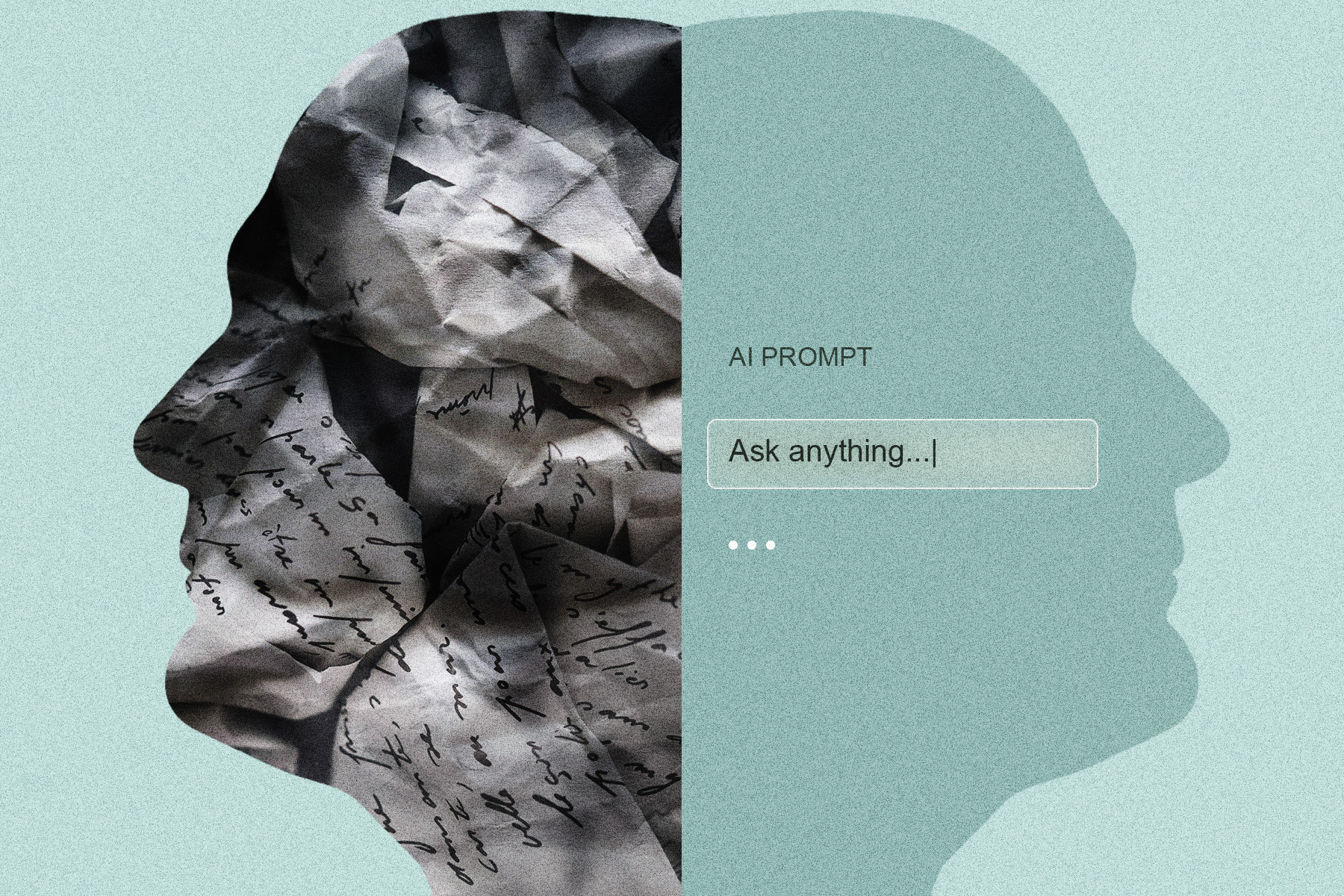
AI reliance may be harming critical thinking, new research suggests
New research says the cognitive costs of AI may be higher than we realize
 thewalrus.ca·1mo ago
AI as a Learning Scaffold: How Higher Education Can Use Continuous Intelligence to Deepen Critical Thinking
Higher education fears AI will encourage cognitive offloading, but thoughtful integration can enhance engagement and critical thinking.
 evolllution.com·13h ago
The Anti-Intellectualism of Silicon Valley's Elite: How Tech Leaders Undermine Knowledge for Its Own Sake
How the self-styled know-it-alls atop the knowledge economy want to dismantle the pursuit of knowledge for its own sake
 thenation.com·24d ago
How Generative AI Is Quietly Eroding Student Critical Thinking and Agency
As generative artificial intelligence use expands, colleges and universities need clearer ways to recognize when support becomes dependence
 er.educause.edu·15d ago
Bridging the AI divide between faculty and students in higher education
Students and academics are on different planets in terms of AI use, creating a culture of distrust and secrecy. Dina Kamel offers three ways
 timeshighereducation.com·1mo ago
Comments
Sign in to join the conversation.
No comments yet. Be the first.