
























Connecticut PFAS Consumer Product Reporting and Labeling Requirements Are Now in Effect
From the article
Key Takeaways What Happened: Connecticut’s labeling requirements for certain consumer products that contain intentionally added PFAS went into effect on July 1, 2026. The Department of Energy and Environmental Protection (DEEP) also published its PFAS Reporting Form for Manufacturers (Manufacturers Form) and approved labeling language for certain consumer products that contain intentionally added per- and polyfluoroalkyl substances (PFAS). Who’s Impacted: Manufacturers, brand owners, importers, first domestic distributors, wholesalers, retailers, and other companies that manufacture, sell, offer for sale, or distribute certain products with intentionally added PFAS in Connecticut. Next Steps: Impacted parties should identify their affected products, confirm whether PFAS is intentionally added, collect supply-chain data, and prepare the applicable Connecticut notices and labels. Companies and manufacturers should also evaluate potential exemptions and begin planning for the broader sales ban that begins in 2028. Deadline to Act: Reporting and labeling requirements for additional covered product categories took effect on July 1, 2026. Connecticut’s ban on covered products with intentionally added PFAS begins on January 1, 2028. Disclosure and notification requirements for certain outdoor apparel and turnout gear took effect on January 1, 2026. Connecticut’s PFAS Product Law Passed in 2024, Connecticut’s Gen. Stat. § 22a-903c regulates the use and sale of certain consumer products containing “intentionally added PFAS,” which is defined as “PFAS deliberately added during manufacture of a product where the continued presence of PFAS is desired in the final product or one of the product's components to perform a specific function.” Similar disclosure and notification requirements for outdoor apparel for severe wet conditions and turnout gear have been in place since January 1, 2026. The law also prohibits the use, sale, or offering for sale of biosolids or wastewater sludge containing PFAS as a soil amendment. As of July 1, the law requires labeling and notification for certain categories of consumer products, including apparel, carpets or rugs, cleaning products, cookware, cosmetic products, dental floss, fabric treatments, children’s products, menstruation products, textile furnishings, ski wax, and upholstered furniture. Further, starting January 1, 2028, no one may sell, manufacture, or distribute for sale any of the consumer products subject to the labeling and notification requirements, including turnout gear and outdoor apparel for severe wet conditions. The law recognizes certain exemptions and does not require labeling or notification for some PFAS-containing products, including those regulated by federal law, medical devices or drugs, and products manufactured before any prohibitions under the law took effect. Additionally, cosmetic products that are manufactured to comply but nevertheless contain an “unavoidable trace quantity of PFAS” attributable to natural or synthetic ingredient impurities, the manufacturing process, storage, or migration from packaging do not violate the law. Manufacturers and sellers should carefully evaluate whether their product is exempt from the law before disregarding any requirements. Impacted companies should not treat the July 2026 requirements as a labeling-only requirement. The fast-approaching 2028 ban provides a limited window to evaluate product lines, assess alternatives, negotiate supplier certifications, manage inventory, and decide whether to reformulate, discontinue, or redesign covered products for the Connecticut market. July 1, 2026: Reporting and Labeling Requirements Beginning July 1, 2026, no person may manufacture, sell, offer for sale, or distribute a covered product that contains intentionally added PFAS unless they provide written notice to DEEP. This notification must include, among other information, the function, purpose, and amount of PFAS in the product. DEEP will accept this information on an individual or categorical basis. To provide the required notice, manufacturers must submit the PFAS Reporting Form for Manufacturers . Additionally, the covered products must have a clearly visible and sufficiently durable label that uses DEEP-approved symbols and wording to inform the purchaser that the product contains PFAS. DEEP offers petitioners the opportunity to request other wording or symbols, so long as they meet the statute’s labeling criteria. Notably, the labeling requirement applies equally to products that contain only a component with intentionally added PFAS. January 1, 2028: Complete Ban The law culminates in a complete ban on the distribution and sale of covered products starting in 2028. On and after January 1, 2028, no person shall manufacture, sell, offer for sale, or distribute for sale apparel (including outdoor apparel for severe wet conditions), carpets or rugs, cleaning products, cookware, cosmetic products, dental floss, fabric treatments, children’s products, menstruation products, textile furnishings, turnout gear, ski wax, and upholstered furniture if the product contains intentionally added PFAS. Next Steps Companies that manufacture, sell, or distribute products in Connecticut should consider taking the following steps: Determine whether PFAS is intentionally added to products or product components; Request supplier certifications and chemical data; Prepare DEEP reporting information, including PFAS function, amounts, ranges, and CAS Registry Numbers where available; Review label design, label placement, online listings, and reseller responsibilities; and Prepare a transition plan for products subject to the 2028 sales ban. Tarah Mason contributed to this article
Continue reading on The National Law ReviewYou might also wanna read
DEPT. OF TOXIC SUBSTANCES CONTROL: California finalizes regulation adding microplastics to candidate chemicals list
mavensnotebook.com·4d ago


EPA Moves to Reverse PFAS Drinking Water Protection Standards
The EPA is seeking to eliminate drinking water protections for PFAS 'forever chemicals' by asking a federal court to reverse regulations for
 earthjustice.org·9mo ago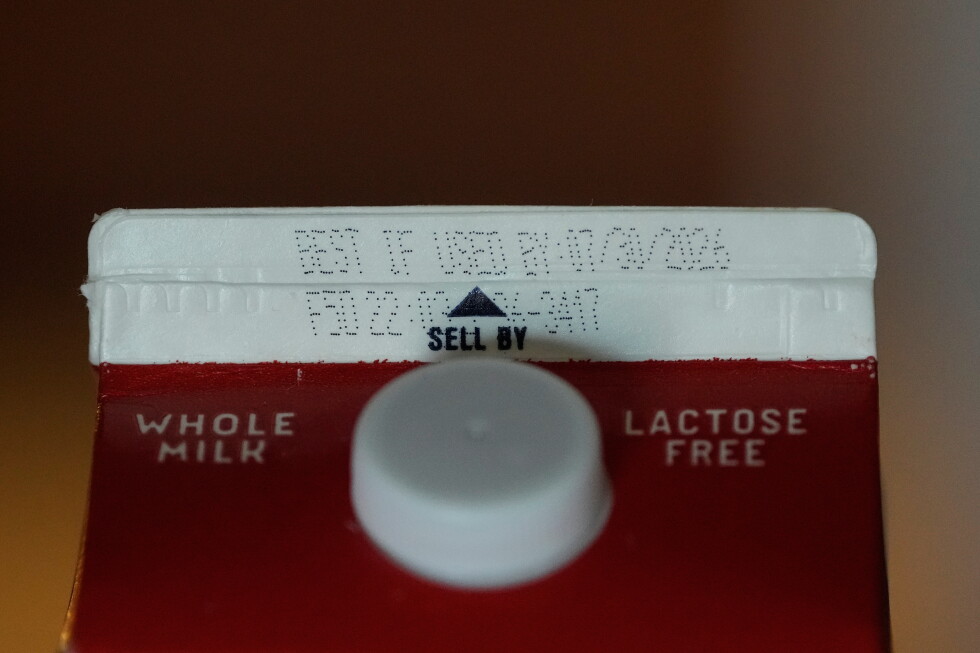
California bans 'sell by' dates, standardizes food labels to reduce confusion and waste
California has become the first U.S. state to ban "sell by" dates on food labels, replacing them with standardized "Best if Used By" (for pe
 apnews.com·7d ago
Chemours Reaches $450 Million Settlement With EPA Over PFAS Dumping in Three States
The Trump administration is moving to settle a landmark environmental case with Chemours over its illegal dumping of PFAS "forever chemicals
 zurl.co·8d ago
New rules for safer and more sustainable detergents
edpb.europa.eu·3mo ago
EPA quietly unleashes three toxic ‘forever chemical’ pesticides onto America’s food supply
Environmental Working Group·6d ago
Comments
Sign in to join the conversation.
No comments yet. Be the first.