





















CONA: E-commerce Accounting Automation Tool for Shopify and Amazon Integration with DATEV
By
Rajiv Ayyangar

Tired, dry, slightly forgotten on the back of the tray.
Summary
CONA is an e-commerce accounting automation tool that connects Shopify, Amazon, and other marketplaces with DATEV accounting software to automate order reconciliation, payment matching, fees, and VAT calculations, with a focus on the DACH region (Germany, Austria, Switzerland).
Key quotes
· 2 pulledCONA connects Shopify, Amazon, and marketplaces with DATEV to automate order reconciliation, payment matching, fees, and VAT.
DACH-focused e-commerce accounting.
You might also wanna read

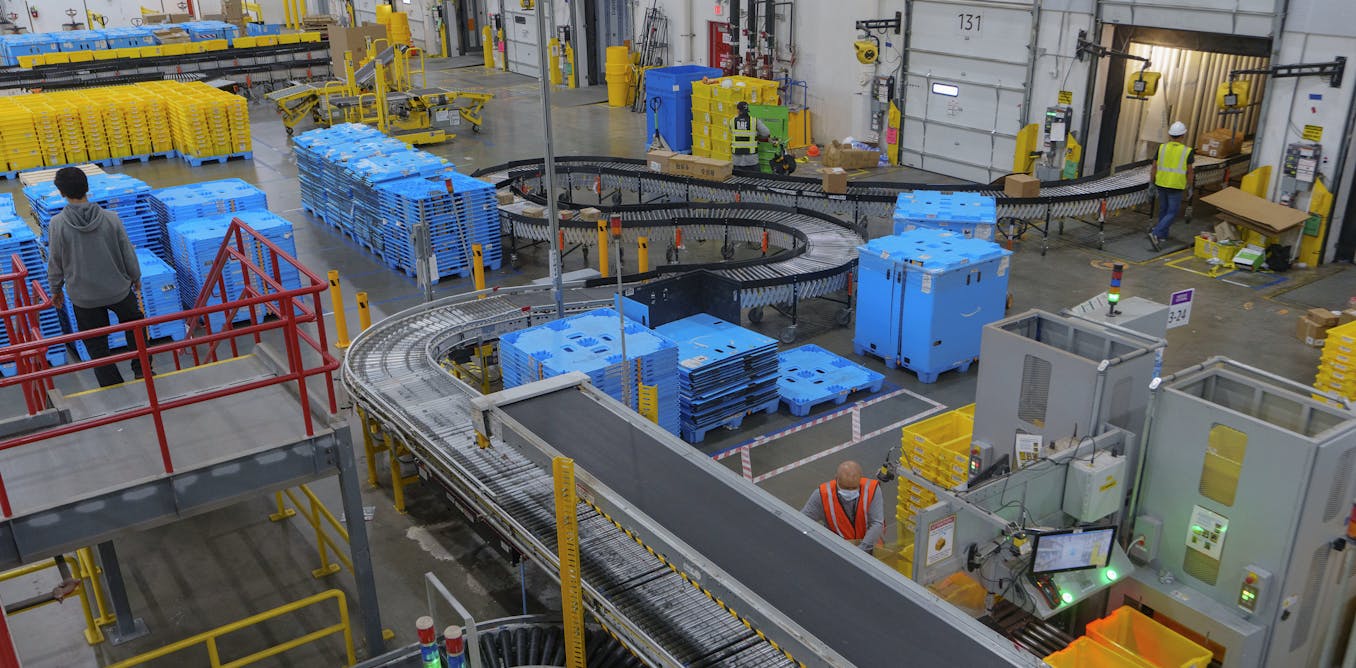
Why avoiding Amazon is harder than ever: its logistics network powers thousands of other online stores
The article explores the growing challenge for consumers who want to avoid Amazon while shopping online. It highlights how Amazon has quietl
 theconversation.com·18h ago
Why avoiding Amazon is harder than ever: its logistics network powers thousands of other online stores
The article explores the growing challenge for consumers who want to avoid Amazon while shopping online. It highlights how Amazon has quietl
theconversation.com·18h agoWhy avoiding Amazon is harder than ever: its logistics network powers thousands of other online stores
The article explores the growing challenge for consumers who want to avoid Amazon while shopping online. It highlights how Amazon has quietl
theconversation.com·18h ago
Podcast: E-Commerce Brand Owner Alan Li on Fighting Online Copycats and Protecting Intellectual Property
In this podcast episode, host Rob Cairns interviews Alan Li, an e-commerce brand owner and co-founder of CopyCatch, about the widespread pro

How Amazon quietly powers shipping for many independent online retailers
This article examines how many online shoppers who buy from independent small retailers on platforms like Etsy are unaware that their orders
 salon.com·2d ago
Why Global Marketplaces Fail in Korea: Trust, Not Product, Is the Real Barrier
Global marketplaces entering Korea often fail not because of weak products, but because they misunderstand how trust is formed in the Korean
 koreatechdesk.com·2d ago