





















Company Develops Magnetically Controlled Antibody for Targeted Drug Delivery
By
AndrewGYork

Good intentions, undercooked execution. The bake is missing.
Summary
A company called Nonfiction Labs has developed a remote-controlled antibody that can be turned on and off using a magnet. This breakthrough represents significant progress toward creating magnetically controlled drugs, with potential applications like cancer treatments that specifically target tumors without harming healthy tissue.
Key quotes
· 4 pulledGreat news! @mariaingaramo.bsky.social 's company (Nonfiction Labs) made a remote-controlled antibody.
Its binding turns on and off with a magnet.
This is a HUGE step towards our dream of magnetically controlled drugs.
Imagine a cancer drug that ONLY attacks the tumor, not the rest of your body.
You might also wanna read


Spinach-derived photosynthetic treatment shows promise for dry eye disease
Scientists at the National University of Singapore have developed an experimental treatment for dry eye disease that uses photosynthetic mac
 biotechniques.com·2h ago
GeneSkin Develops mRNA Therapy Targeting Skin Stem Cells for Rejuvenation and Hair Growth
GeneSkin is developing a novel mRNA therapy targeting basal stem cells in the skin to address a wide range of dermatological issues includin
 wyss.harvard.edu·20h ago
First human trial begins for drug that could regrow missing teeth
Kyoto University Hospital has launched the first human trial of TRG-035, a drug designed to regrow teeth in adults by blocking a protein tha
 boingboing.net·1d ago
Startup Bexorg uses intact postmortem human brains for neurodegenerative drug testing
A startup called Bexorg is using intact brains from deceased human donors to test drugs for neurodegenerative diseases. By restoring blood f
 science.org·3d ago
Startup Bexorg uses intact postmortem human brains for neurodegenerative drug testing
A startup called Bexorg is using intact brains from deceased human donors to test drugs for neurodegenerative diseases. By restoring blood f
science.org·3d ago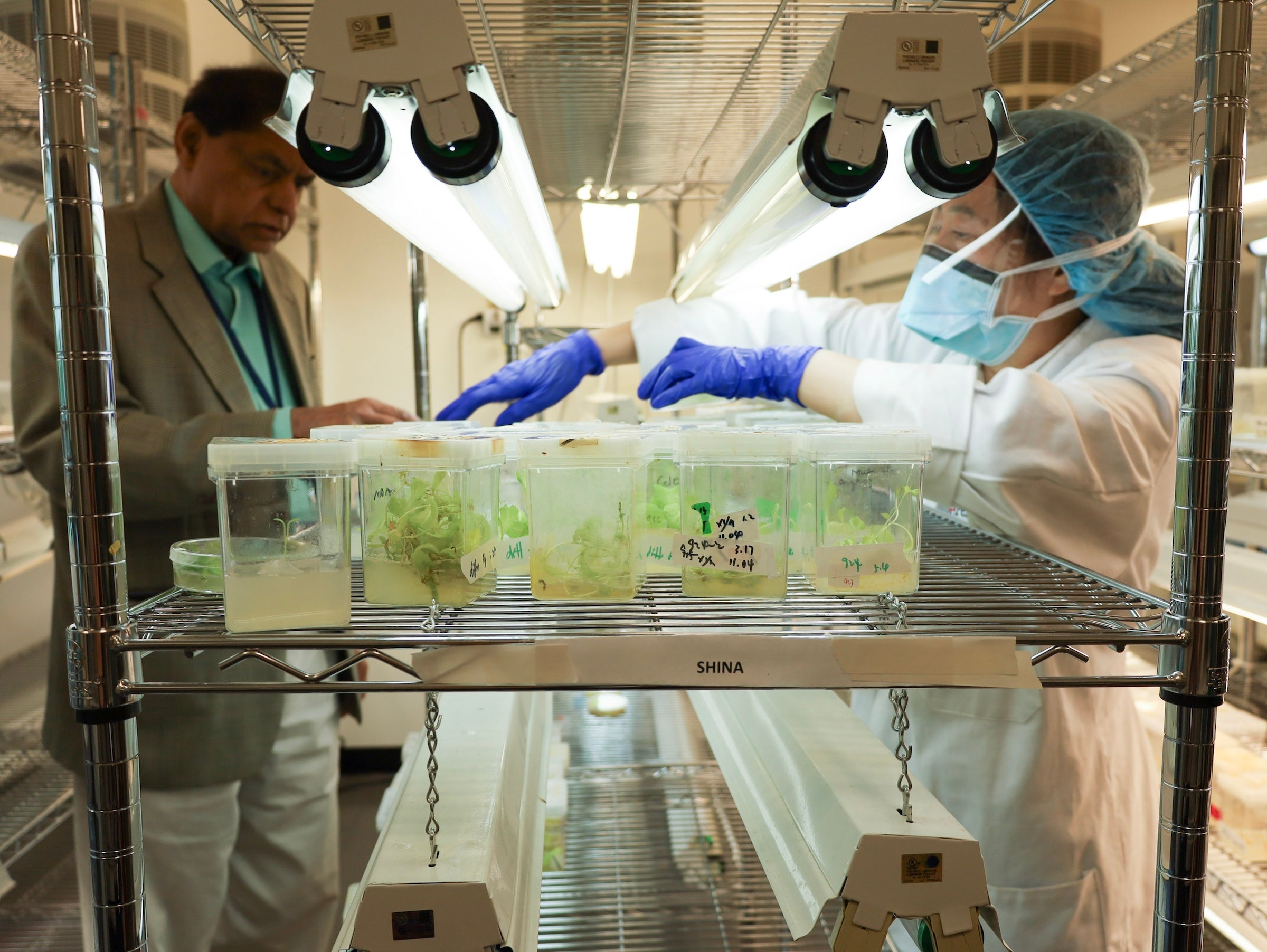
Penn researchers develop bioengineered chewing gum with potential to prevent oral and head cancers
Researchers at Penn, led by Dr. Henry Daniell, have developed a bioengineered chewing gum made from a bean plant that contains antiviral, an
 whyy.org·3d ago