
























Jacobite Plotting and the Birth of Britain's Parliamentary Monarchy: 1688-1707
By
Colin Kidd
Summary
This article examines the turbulent political period between the Glorious Revolution of 1688 and the Treaty of Union of 1707, focusing on Jacobite plotting and the challenges of political communication at a distance. It explores how the defining characteristics of Britain's parliamentary monarchy and union-state emerged from these fraught decades, highlighting the messy, uncertain nature of the revolution and its aftermath, including civil wars in Scotland and Ireland.
Source
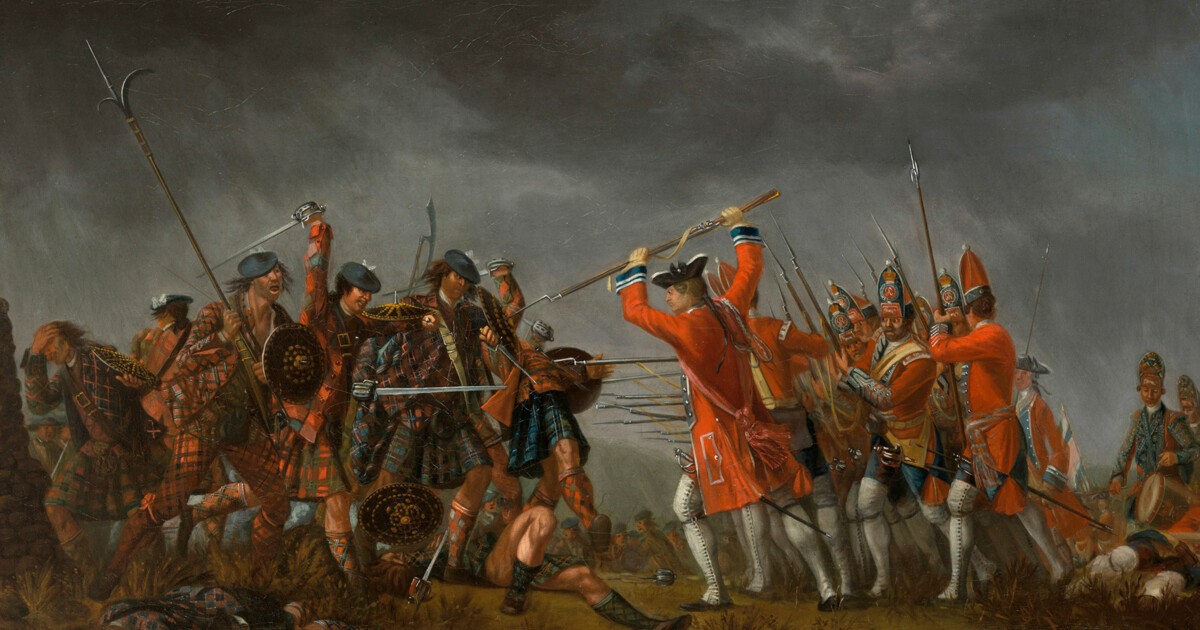
 bskyJacobite Plotting and the Birth of Britain's Parliamentary Monarchy: 1688-1707lrb.co.uk
Key quotes
· 3 pulledThe revolution of 1688 was glorious largely because – unlike the earlier revolution in the 1640s – it was bloodless (in England at least) and did not require the execution of the sitting monarch.
But it was still a messy business.
It not only provoked civil wars in Scotland and Ireland, but also depended on t
You might also wanna read

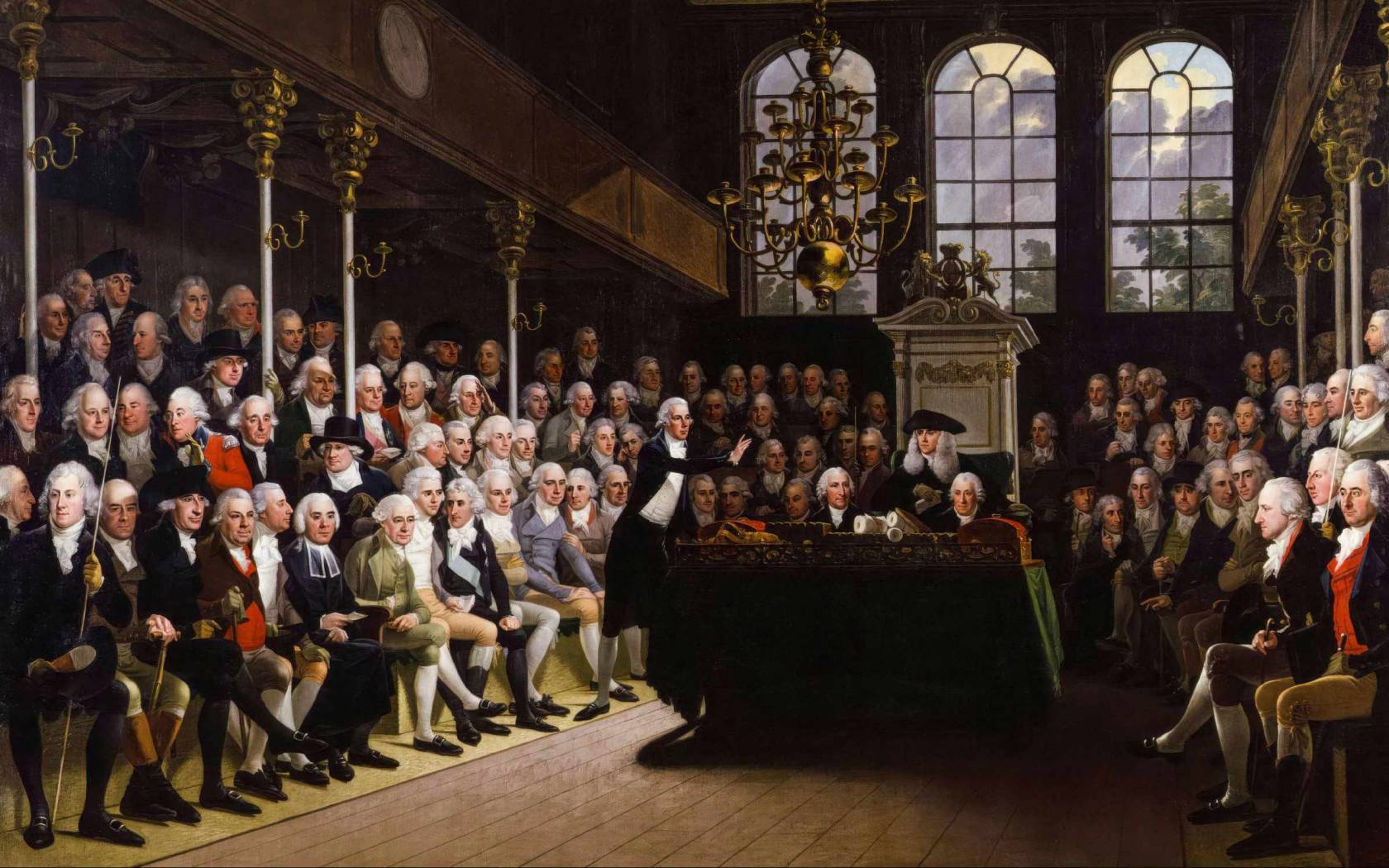
Britain's historical instability: Lessons from the 18th-century political crises
This article draws a historical parallel between Britain's current political instability—on track for its seventh prime minister in ten year
 engelsbergideas.com·4d ago
The Political Entanglement of Mathematics: A Historical Case Study from Revolutionary Naples
This essay explores the historical entanglement of mathematics and politics through a forgotten episode in French-occupied Naples around 180
 lareviewofbooks.org·5mo ago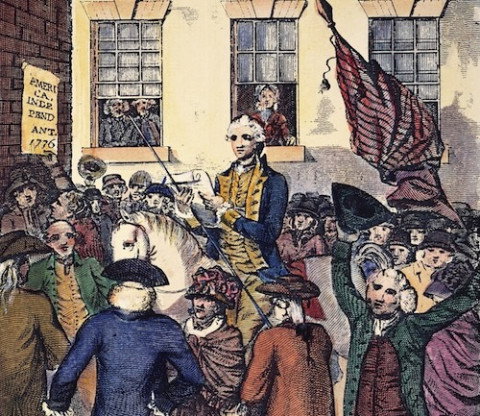
The British Counter-Declaration: The Unpublished Response to America's Independence
This article explores the largely unknown story of the British government's response to the American Declaration of Independence. While the
 historytoday.com·1d ago
The thriving transatlantic art trade between Britain and America during the Revolutionary era
This article examines the thriving and complex art trade between Britain and the American colonies during the Revolutionary era, challenging
 theartnewspaper.com·3d ago
Comments
Sign in to join the conversation.
No comments yet. Be the first.