
























 Baker's Take
As ISS retirement looms, China pushes Tiangong station expansion to six modules and a space telescope

By
Mr Bagel
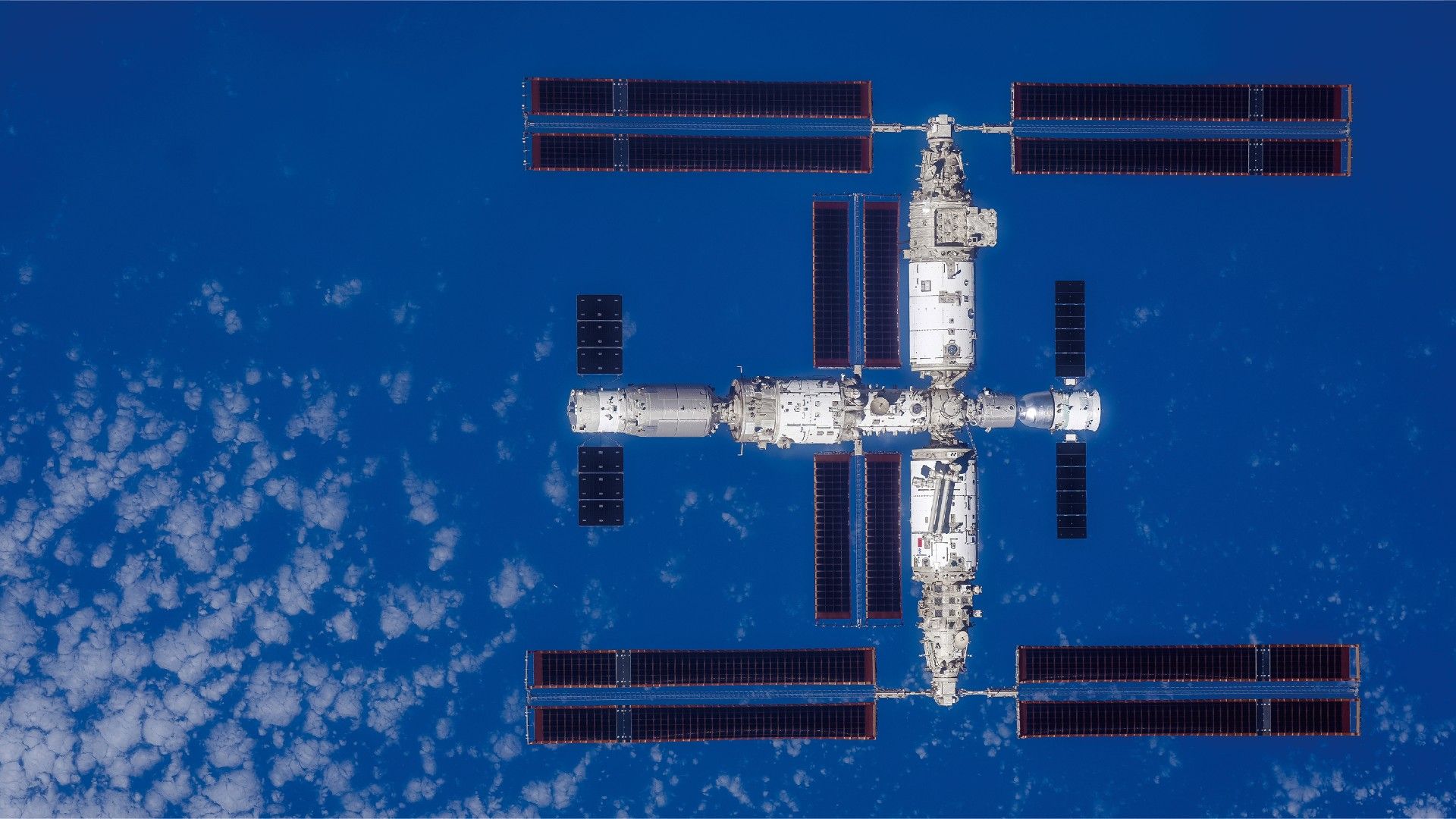
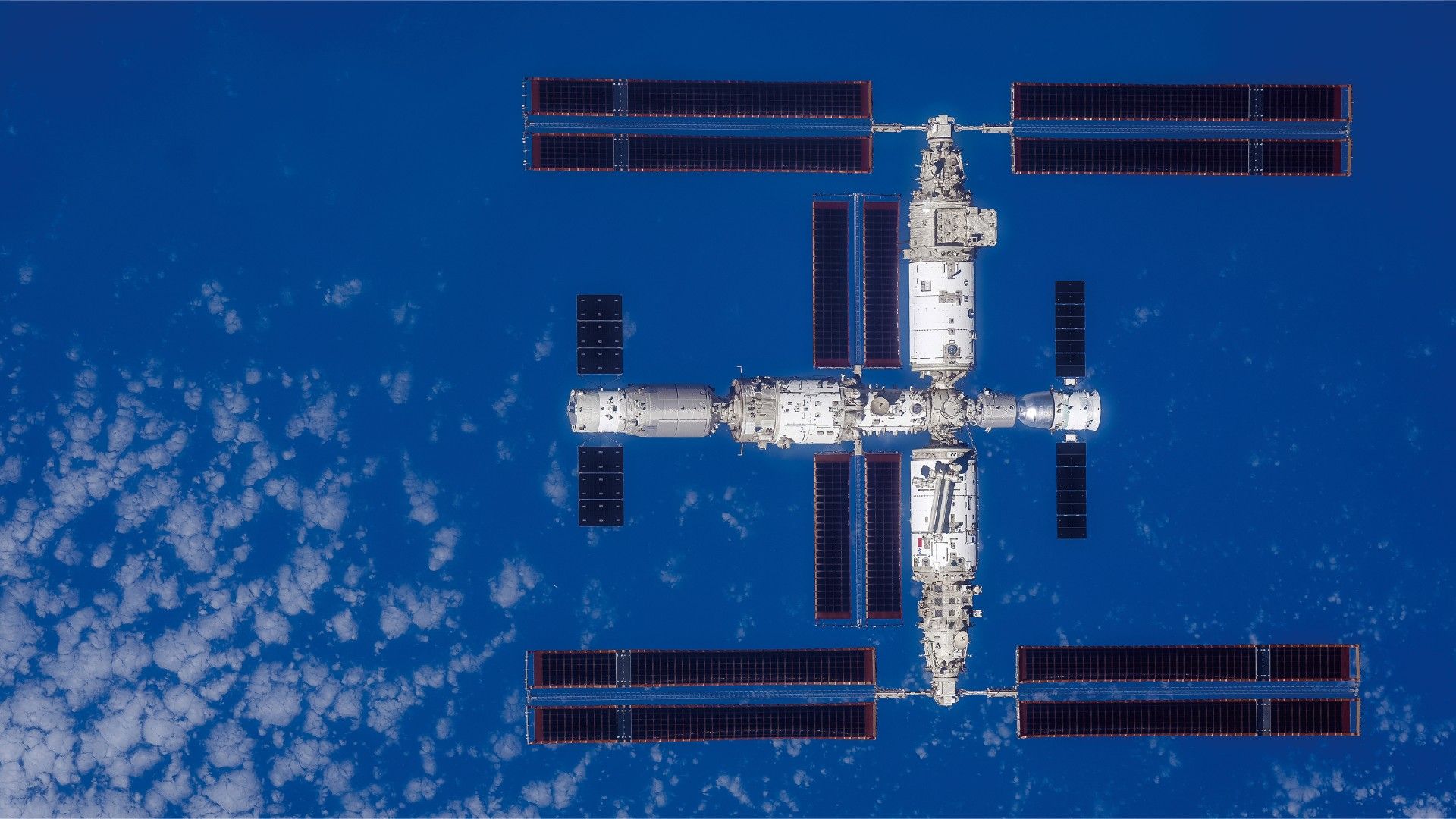
China has announced plans to expand its Tiangong space station from its current three modules to six, while adding a co-orbiting Hubble-class space telescope, according to space.com. The expansion comes as the International Space Station (ISS) approaches the end of its operational lifetime and is slated for a controlled deorbit over the Pacific Ocean, positioning Tiangong as a potential successor in low Earth orbit.

"China plans to expand its Tiangong space station from three to six modules and add a co-orbiting Hubble-class space telescope"
The decision, reported by both space.com and share.google, cites growing research demands and more frequent crew and cargo missions. The Tiangong station, assembled in orbit during 2021 and 2022, has already hosted multiple Shenzhou crews and represents a key milestone in China's human spaceflight ambitions.
"citing growing research demands and more frequent crew and cargo missions"
With the ISS slated for deorbit, share.google noted that Tiangong's expansion could make it the primary station for orbital research in the coming years. China has also signaled openness to international collaboration on the station, according to space.com, though no specific partnerships have been announced yet.
The upgraded station will include the Hubble-class telescope, which will share Tiangong's orbit but operate independently, offering a large field of view for astronomical surveys. This addition underscores China's long-term strategy to maintain a permanent human presence in space while advancing scientific capabilities, as the ISS era winds down.
The reporting
2 outlets covered this story. Each links to the original.
Comments
Sign in to join the conversation.
No comments yet. Be the first.