
























Ancient DNA confirms Black Death was plague and challenges assumptions about urban spread
By
The Economist
Summary
The article discusses how ancient DNA analysis of Yersinia pestis from medieval plague victims is rewriting the history of plague outbreaks. It highlights that genetic evidence from a London cemetery confirmed the Black Death was indeed caused by plague, and that new research suggests dense cities were not necessary for plague outbreaks, challenging long-held assumptions about the disease's spread.
Source

 Twitter / XAncient DNA confirms Black Death was plague and challenges assumptions about urban spreadeconomist.com
Key quotes
· 2 pulledThis let them confirm what historians had long suspected but had never quite been able to prove: that the Black Death, which killed perhaps half of Europe's population between 1346 and 1353, was indeed an outbreak of plague.
Dense cities do not seem to have been necessary for outbreaks of the disease
You might also wanna read


DNA analysis of Siberian hunter-gatherer graves reveals oldest known plague outbreaks, study finds
Scientists analyzing DNA from 46 individuals buried at an ancient hunter-gatherer cemetery near Lake Baikal in Siberia discovered genetic fr
 washingtonpost.com·17d ago
Ancient DNA is rewriting the history of plague
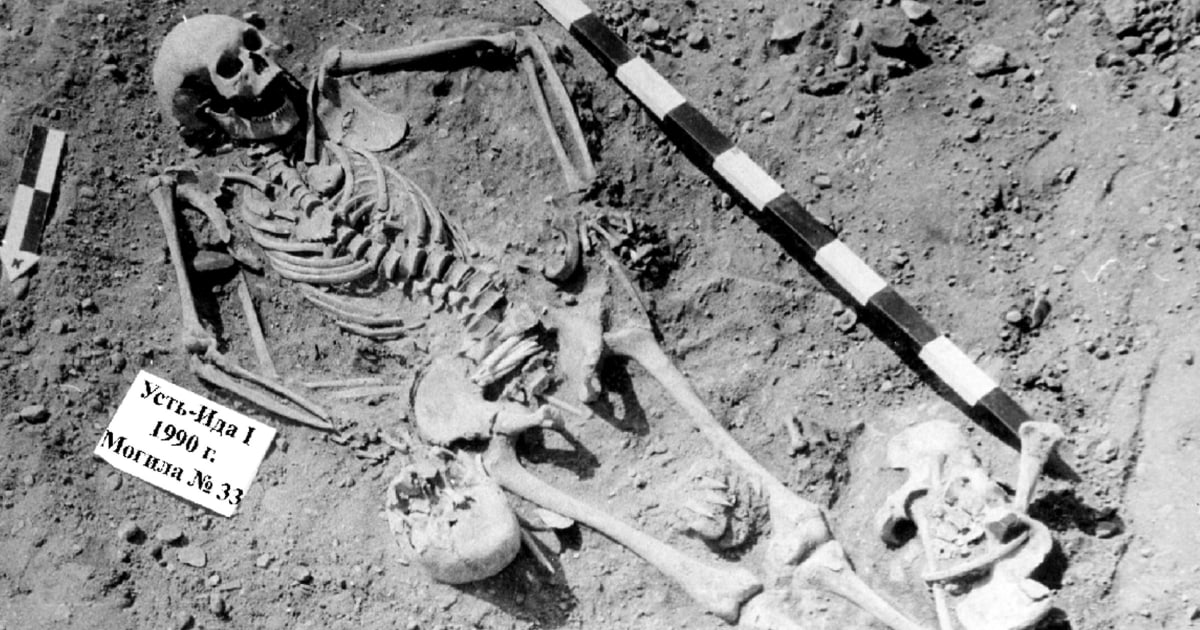
Oldest plague evidence found in 5,500-year-old Siberian child graves, study reveals
A new study published in Nature reveals the oldest evidence of a plague outbreak ever found, discovered in prehistoric graves of children in
 nbcnews.to·17d ago
Lethal plague outbreaks in Lake Baikal hunter-gatherers 5,500 years ago - Nature

Ancient DNA study identifies pathogen that killed Napoleon's soldiers during 1812 Russian retreat
A new study analyzing ancient DNA from soldiers of Napoleon's Grande Armée who died during the 1812 retreat from Russia has identified the i
 biotechniques.com·22d ago
Comments
Sign in to join the conversation.
No comments yet. Be the first.