





















FDA-approved vibrating belt may help slow bone density loss in older adults
By
NPR
Summary
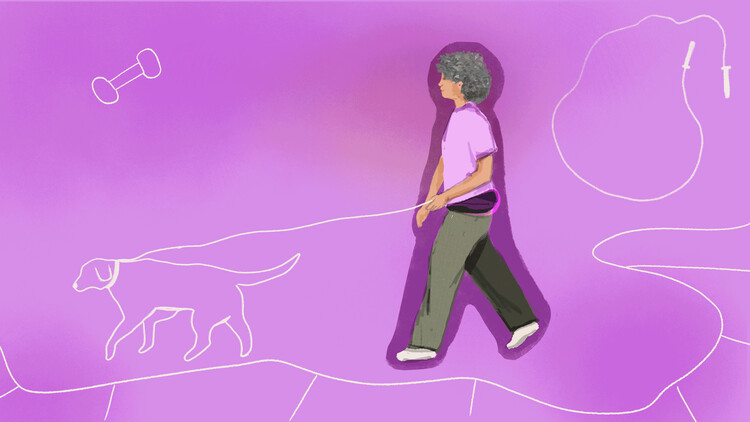
An NPR article discusses an FDA-approved wearable vibration belt designed to help slow bone density loss in women with osteopenia. Over 40 million U.S. adults aged 50+ have low bone density, and this device offers a potential tool to mitigate that loss.
Source
 bskyFDA-approved vibrating belt may help slow bone density loss in older adultsapple.news
Key quotes
· 2 pulledMore than 40 million adults in the U.S. ages 50 and older have osteopenia, or low bone density.
An FDA-approved wearable vibration device is giving some women a tool that could slow that loss.
You might also wanna read


Vibration Plates: Benefits, Exercises, and Stretching Guidance for Fitness
This article discusses vibration plates as fitness devices that use whole-body vibrations to stimulate muscles, improve strength, flexibilit
 wb.md·9h ago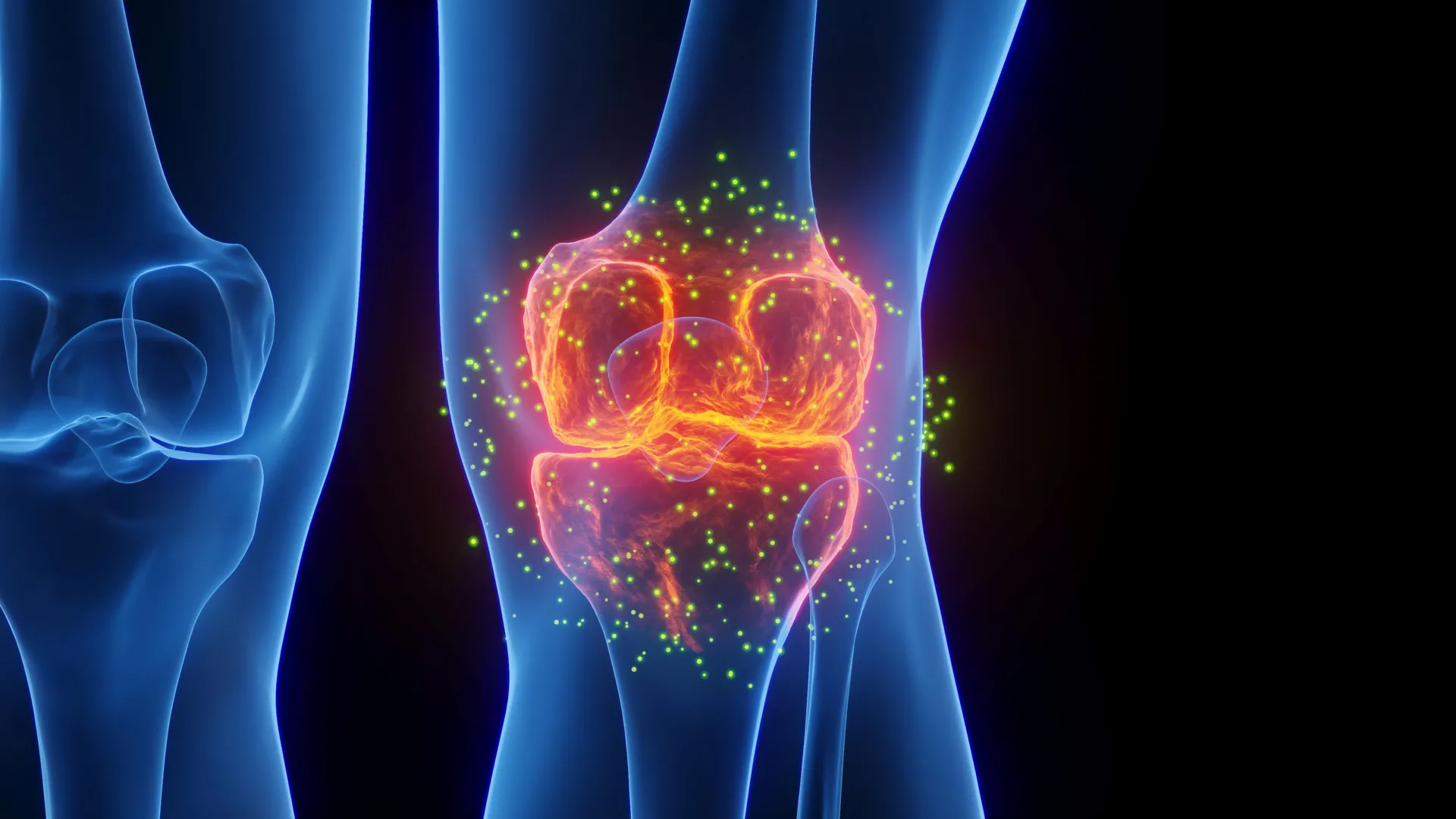
Stanford Study: Blocking Aging Protein Reverses Cartilage Loss and Prevents Arthritis
Stanford Medicine researchers have discovered that blocking a protein linked to aging can reverse cartilage loss in aging joints and prevent
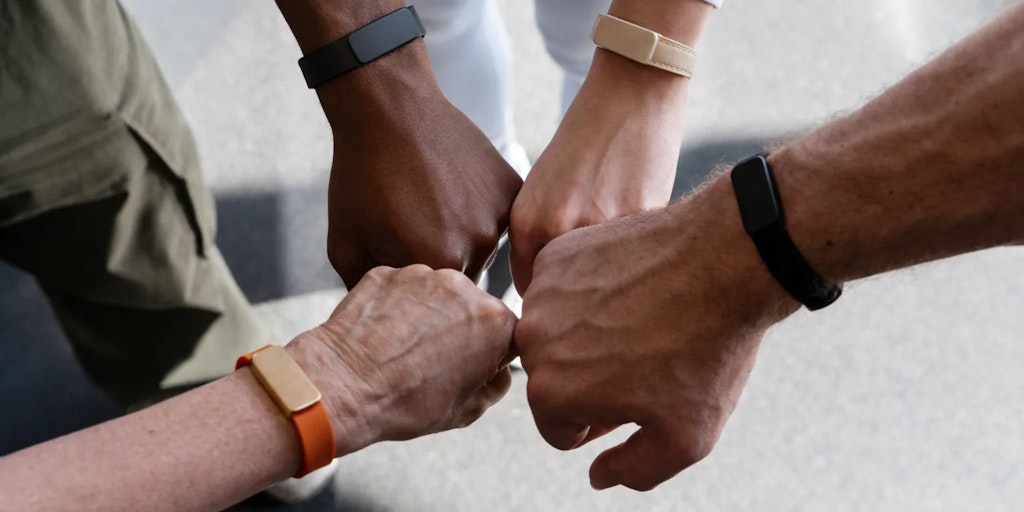
Fort Wearable: Automated Strength Training Tracker for Longevity-Focused Users
Fort is a wearable device designed to track strength training workouts automatically using heart rate and motion data, targeting users focus
 Product Hunt·3mo ago
Engineering Analysis of Health Wearables: How Medical Devices Balance Precision and Consumer Design
The article explores the engineering and design behind modern health wearables like Oura Ring, Dexcom G7, Omnipod, and Jabra Hearing Aids, u
 lumafield.com·3mo ago
Study: 99% of Adults Over 40 Show Shoulder Abnormalities on MRI Scans
A study examining shoulder MRI scans in adults over 40 found that 99% showed abnormalities, with similar prevalence in both symptomatic and
 arstechnica.com·4mo ago
Low-protein diets extend lifespan in animals: What it means for human aging research
The article explores the counterintuitive scientific finding that low-protein diets (around 7% or less of calories from protein) extend life
 knowablemagazine.org·13d ago