
























Ashwagandha's scientifically measured benefits for stress, sleep, brain health, and physical strength
Summary
This article explores Ashwagandha, a traditional Ayurvedic herb, and its scientifically measured benefits across multiple health domains including stress reduction, mood improvement, sleep quality, brain function, hormone balance, and physical strength. It contrasts the Western medical model of single-drug solutions with Eastern medicine's emphasis on systemic balance (homeostasis), and presents Ashwagandha as a natural adaptogen that supports multiple physiological systems simultaneously.
Source
 Twitter / XAshwagandha's scientifically measured benefits for stress, sleep, brain health, and physical strengthdrfranklipman.com
Key quotes
· 5 pulledNot that long ago, modern Western medicine came into its own with antibiotics: one germ, one drug, disease be gone. If only it were always that easy.
The so-called 'diseases of aging' that shorten or worsen most of our lives -- heart disease, dementia, diabetes to name three – result from a number of physiological systems in decline.
What's more valuable is the concept of balance between systems -- 'homeostasis' if you like – which happens to be central principle of the Eastern medical traditions.
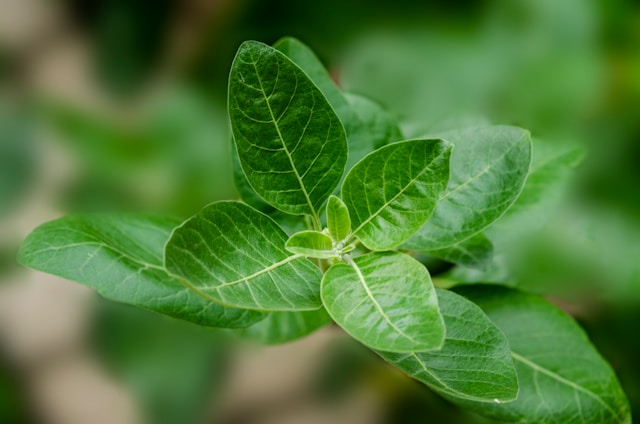
Ashwagandha, a mainstay of traditional Ayurvedic Indian medicine has been prescribed for a few thousand years to treat physical and mental fatigue.
Over the past decade or two, Western researchers have been measuring its benefits across multiple health domains: stress-reduction; mood; sleep; brain; hormones; even physical strength.
You might also wanna read


One Sleep Health: A new framework positioning sleep as a pillar of planetary health
This article introduces the "One Sleep Health" framework, a novel integrative approach that positions sleep as a pillar of planetary health.

Somna: A Privacy-Focused Stress Management App That Helps Identify Stress Patterns
Somna is a stress management app that differentiates itself from typical breathing-focused apps by helping users understand the root causes
 Product Hunt·4mo ago
Major Lancet Review Finds Medicinal Cannabis Ineffective for Anxiety, Depression, and PTSD
A major systematic review published in The Lancet finds that medicinal cannabis does not effectively treat anxiety, depression, or PTSD, des

Induction of cortical on/off periods in awake mice fulfills sleep functions - Nature Neuroscience

How Meditation Induces Durable Changes in Brain Networks: The Neuroscience of Trait Plasticity
This article explores meditation-induced trait plasticity, the brain's ability to adapt and reorganize through consistent meditation practic
 diversedaily.com·16d ago
Traditional Chinese Medicine as a Holistic Dietary and Healthcare System for Public Nutrition
This article explores Traditional Chinese Medicine (TCM) as a holistic healthcare system encompassing both Han and minority ethnic medical t
 pubs.acs.org·1d ago
Comments
Sign in to join the conversation.
No comments yet. Be the first.