
























ALS patient becomes first long-term power user of brain-computer interface implant
By
Jessica Hamzelou
Summary
Casey Harrell, a man with ALS, has become the first "power user" of a brain-computer interface (BCI) implant, using it for nearly three years to speak, browse the web, and work as a climate activist. The implant, received in July 2023, was developed and refined by a team at UC Davis. The article notes that the number of people with brain electrodes has more than doubled in recent years, signaling rapid growth in BCI technology trials.
Source
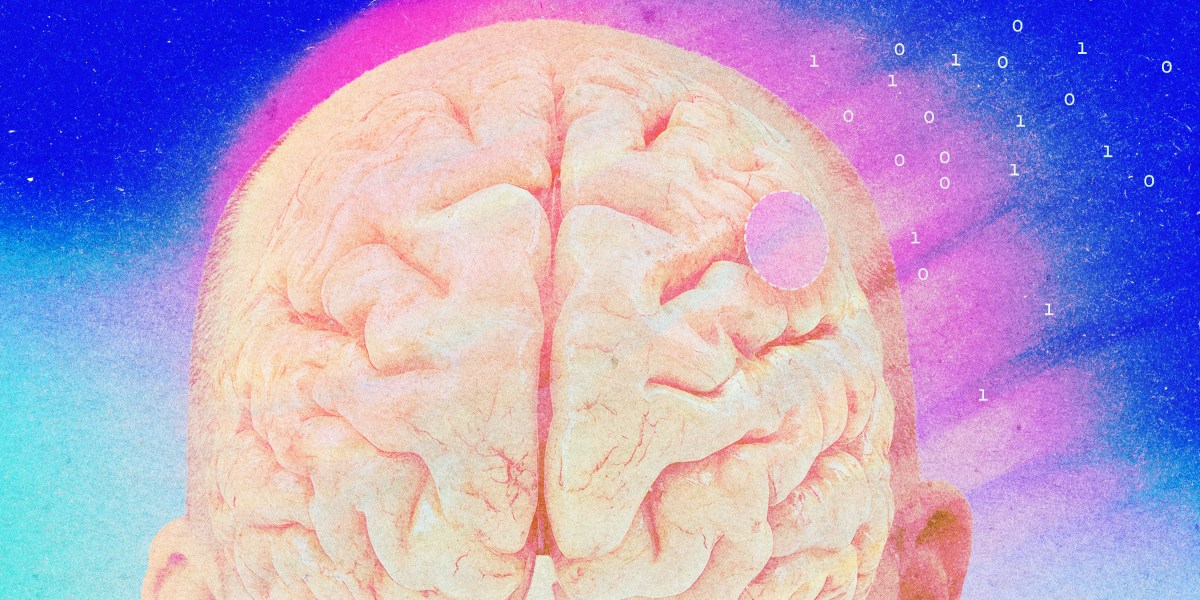
 bskyALS patient becomes first long-term power user of brain-computer interface implanttechnologyreview.com
Key quotes
· 3 pulledHarrell is paralyzed and unable to speak coherently without the device.
He has now spent almost three years using a brain-computer interface (BCI) that enables him to 'speak,' surf the web, and perform his job as a climate activist, largely independently.
The number of people with electrodes in their brains is believed to have more than doubled in the last couple of years.
You might also wanna read

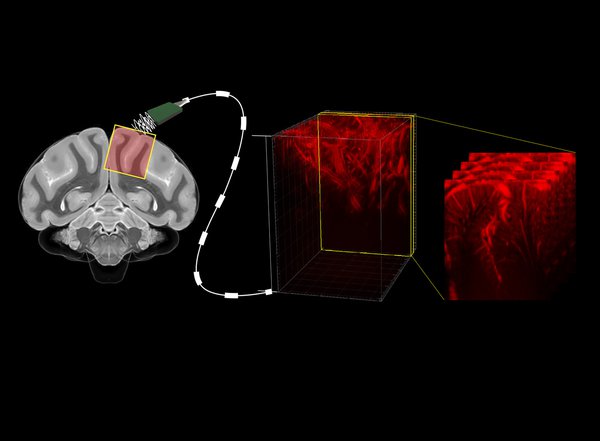
Caltech researchers develop ultrasound-based brain-machine interface to decode intended movements
Caltech researchers have developed a brain-machine interface (BMI) that uses functional ultrasound (fUS) imaging to decode brain activity an
 caltech.edu·2d ago
AI Decodes Brain Activity to Help Paralyzed Patients Communicate
Researchers at University of California, Davis are using artificial intelligence to decode brain activity and translate it into speech, part
 bbc.com·4mo ago
Brain Implant Decodes Internal Speech with Password Protection
A brain implant, or brain-computer interface (BCI), can decode a person's internal speech with 74% accuracy, but only when the user thinks o
 nature.com·10mo ago
Power-over-Skin: Full-Body Wearables Powered by Intra-Body RF Energy (2024)
How a dancer with ALS used brainwaves to perform live
Dr. Brian Lundstrom's Vision for Noninvasive Neuromodulation at BIONIC
Dr. Brian Lundstrom, an associate professor of neurology, brings a quietly radical perspective to BIONIC focused on noninvasive neuromodulat
 mayocl.in·7d ago
Comments
Sign in to join the conversation.
No comments yet. Be the first.