
























Iron-catalyzed lipid peroxidation drives rapid coordinated cell death in algal blooms
By
Yi Tao
Summary
This article investigates the mechanism behind the rapid termination of harmful algal blooms. Researchers identified that iron-catalyzed active lipid peroxides trigger coordinated cell death in blooming algae. The process involves glutathione oxidation and iron overload leading to lipid peroxidation, membrane disruption, and cell lysis. Cell death then propagates through the population as oxidized lipids from dying cells damage neighboring cells, explaining the abrupt collapse of algal blooms within days.
Source

 Twitter / XIron-catalyzed lipid peroxidation drives rapid coordinated cell death in algal bloomsscim.ag
Key quotes
· 5 pulledBlooms of toxic algae are a regular feature in many bodies of water, and they often emerge and then subside rapidly.
Glutathione oxidation and iron overload are proposed as initiating factors leading to lipid peroxidation, membrane disruption, and cell lysis.
Cell death then propagates to neighboring cells as oxidized lipids are released and cause damage to other cells in the population.
Harmful algal blooms, the most severe ecological hazards worldwide, terminate abruptly within a few days.
We identified that iron-catalyzed active lipid peroxides predominantly trigger...
You might also wanna read

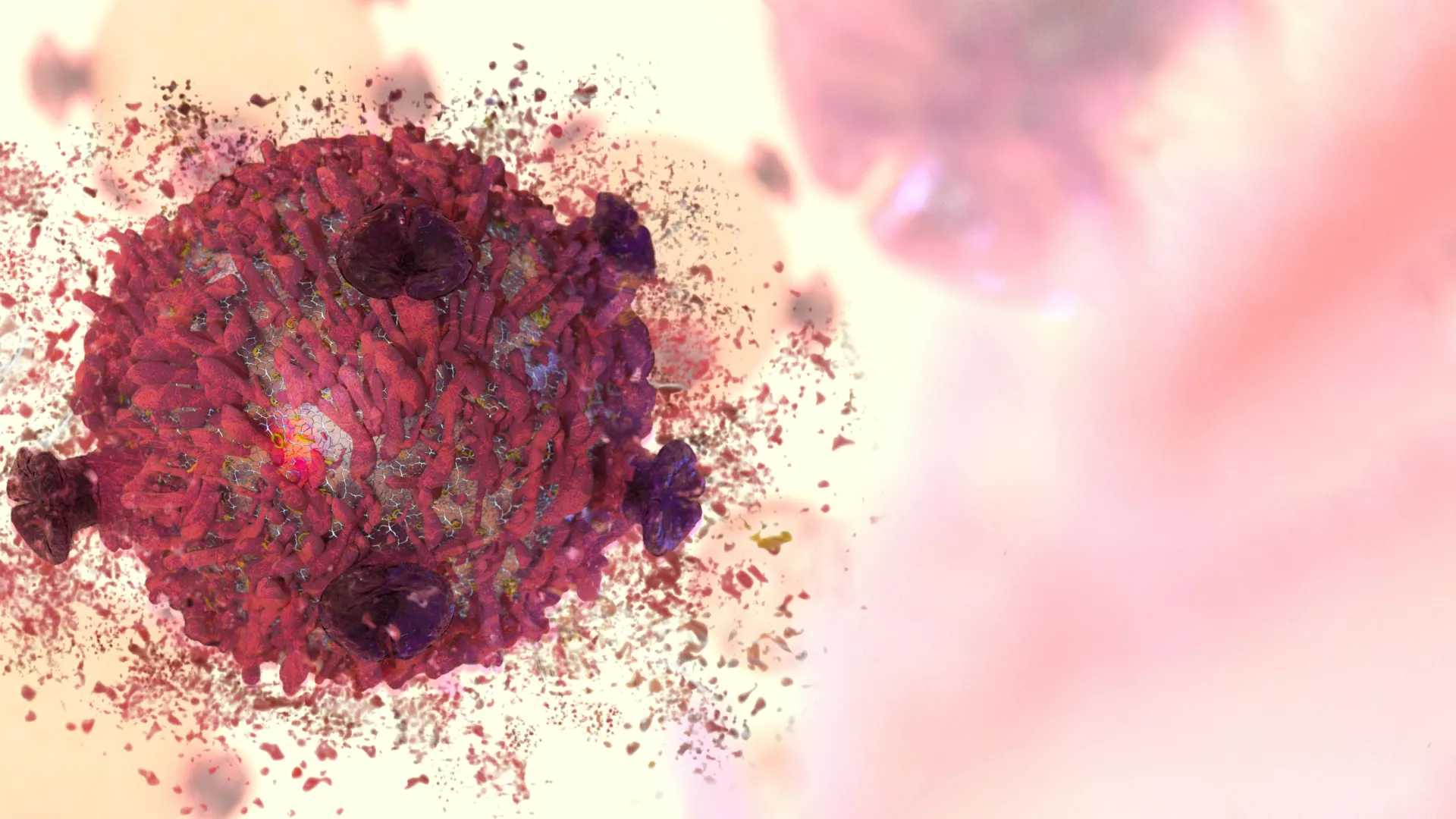
Oregon State University Researchers Develop Iron Nanomaterial That Selectively Destroys Cancer Cells
Researchers at Oregon State University have developed a novel iron-based nanomaterial that targets and destroys cancer cells from within. Th
Intense UV Light Triggers New Chemical Pathway to Break Down Persistent PFAS Pollutants
Scientists have discovered a new mechanism using intense UV light to trigger a chemical pathway that can break down highly persistent PFAS c

MARCH7 identified as key regulator suppressing ferroptosis through iron homeostasis control
This article identifies the E3 ubiquitin ligase MARCH7 as a critical regulator that suppresses ferroptosis (an iron-dependent form of regula
Efficacy of seaweed-based carbon dioxide removal reduced by iron limitation and nutrient competition with phytoplankton - Nature Communications
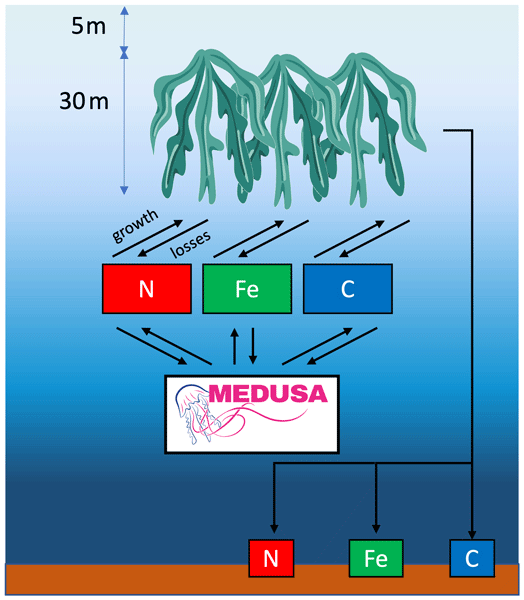
Study finds large-scale seaweed cultivation offers low carbon removal potential with significant ecological costs
This study uses a new macroalgae aquaculture module within the NEMO-MEDUSA ocean biogeochemistry model to assess the potential of large-scal
 bg.copernicus.org·16d ago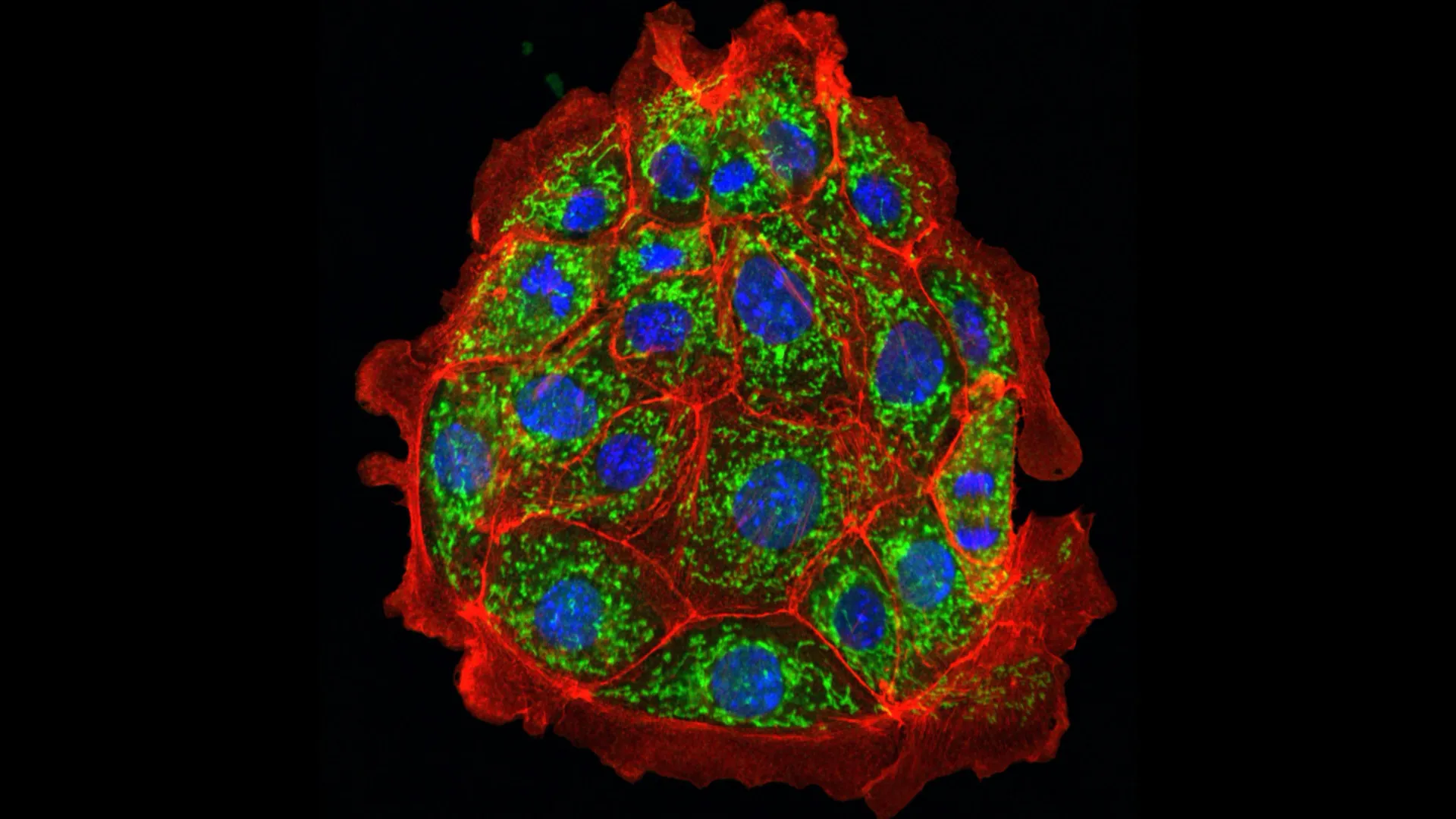
Researchers Reverse Kidney Damage in Mice by Targeting Ceramide-Induced Mitochondrial Damage
Researchers at University of Utah Health discovered that fatty molecules called ceramides trigger acute kidney injury (AKI) by damaging mito
Comments
Sign in to join the conversation.
No comments yet. Be the first.