
























Berkeley Gives Back Corn, Peas, & Seeds To Tribes As Protected Items Of "Cultural Patronage"
From the article
Berkeley Gives Back Corn, Peas, & Seeds To Tribes As Protected Items Of "Cultural Patronage" Authored by Jonathan Turley, The University of California (Berkeley) has ordered the return of new displays to native American tribes under the Native American Graves Protection and Repatriation Act (NAGPRA). That is hardly news except that the items were not human remains or relics, but corn, corn cobs, peas, beans, and other seeds. The university has decided that even such scientific samples are prohibited items of “cultural patronage.” The Act requires the return of human remains, funerary objects, sacred objects, and objects of cultural patrimony. “Cultural patrimony” is defined as “an object having ongoing historical, traditional, or cultural importance central to the Native American group or culture itself.” However, according to a federal notice , these were old corn, corn cobs and seeds, beans, and other items used for research and display by the Phoebe A. Hearst Museum of Anthropology. They will now be returned to the Pueblo of Isleta, New Mexico, a Native American tribe. Old corn cobs linked to a Native American tribe are being removed from an anthropology museum at UC Berkeley in accordance with a federal “repatriation” law. According to a June 4 federal notice , 24 items, including corn, corn cobs, peas, beans, and other seeds, are being removed. They were part of the collection at the Phoebe A. Hearst Museum of Anthropology. They will be returned to the Pueblo of Isleta, New Mexico, a Native American tribe, to comply with the Native American Graves Protection and Repatriation Act. The notice from the school states that “Between 1940 to 1941, George F. Carter collected 24 lots of seeds via `field research with Native American agriculturalists’ across the Southwestern United States, including Pueblo of Isleta in New Mexico.” I understand how one can read the federal law broadly, but this seems wildly out of sync with the purpose of the law. These are plants and seeds used for field research to better understand the food chain of the early periods of life in the Americas. The use of the federal law so broadly undermines the study of these tribes. National Park Service Obviously, corn and other crop staples were key to the culture of these tribes, but so was water, wood, and other sustaining resources. I do not understand why the tribes themselves do not want to encourage such research on their heritage and history. The university could clearly decide that it no longer needs the items or that the items hold more value to the tribes. However, to say that they are compelled under federal law is a dubious reading of the federal statute. The College Fix quotes Elizabeth Weiss, professor emeritus of anthropology at San José State University, as objecting to the interpretation: “Objects of cultural patrimony are defined as objects that cannot be owned by a single person, and, thus, cannot be sold or given from one person to another. It is hard for me to understand how plants and seeds could fall into this category.” This is something that the Department of the Interior, Justice Department, and Bureau of Indian Affairs should clarify in the interest of continued research and historical work in this area . Tyler Durden Wed, 07/08/2026 - 18:25
Continue reading on ZeroHedgeYou might also wanna read

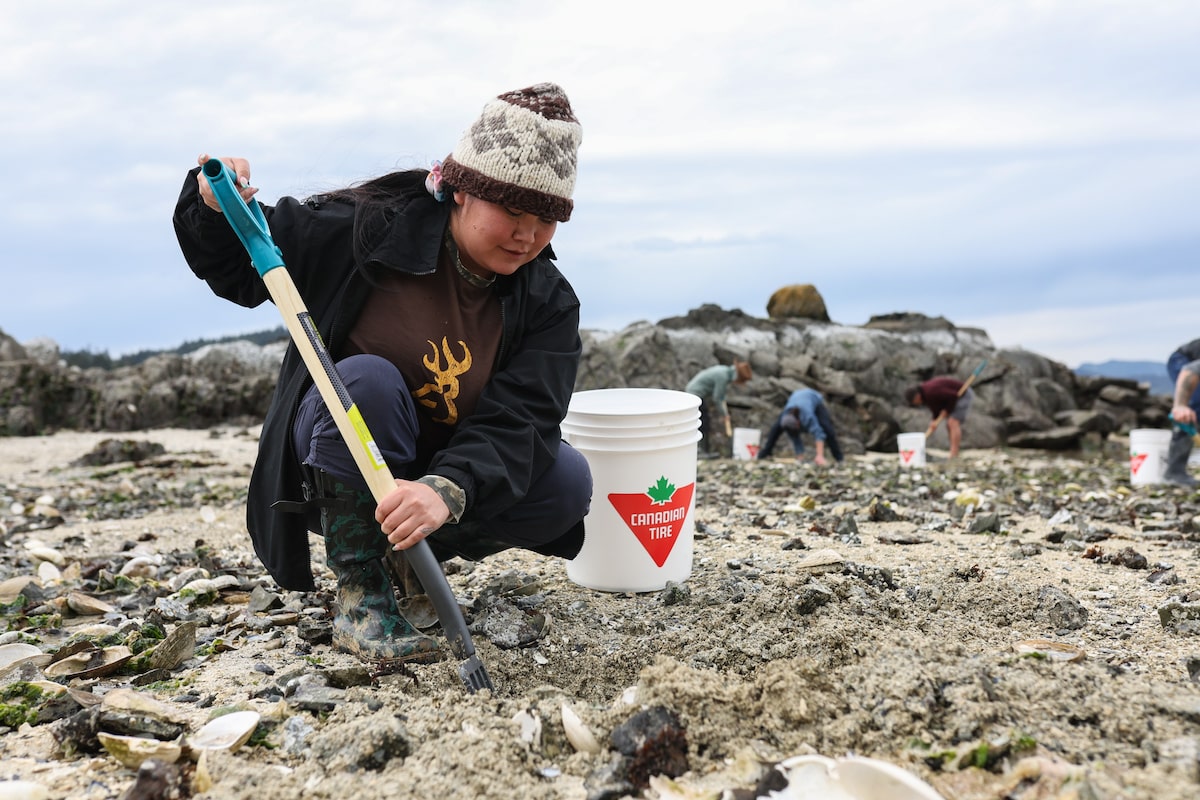
Cowichan Tribes revive ancient clam gardens in B.C.'s Gulf Islands
Members of the Cowichan Tribes in British Columbia's Gulf Islands are working to restore ancient Indigenous clam gardens (s'axwa') — traditi
 theglobeandmail.com·26d ago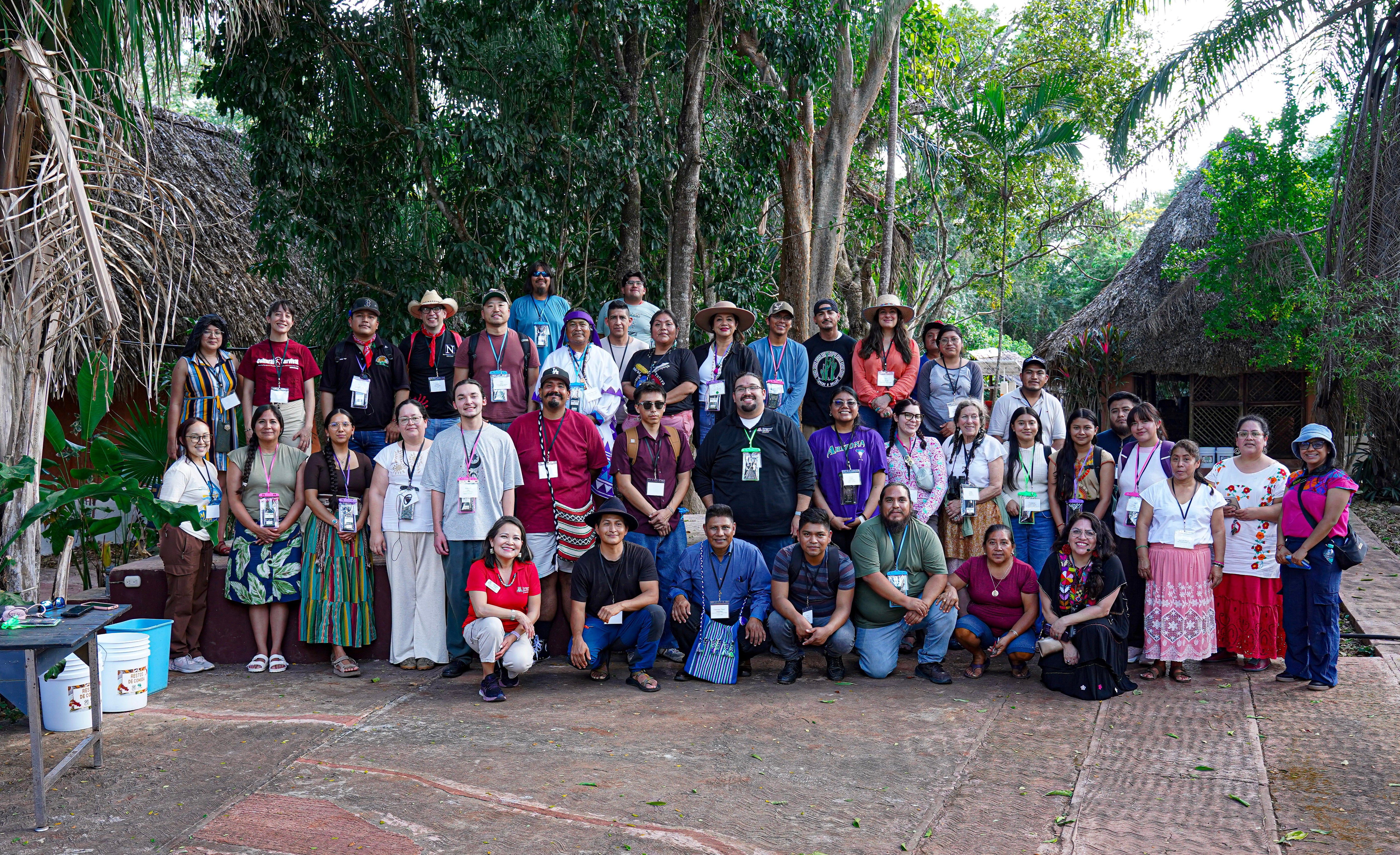
Indigenous Regenerative Agriculture Gathering in Yucatan Focuses on Food Sovereignty and Water Security
Cultural Survival and the University of Arizona's Indigenous Resilience Center co-hosted the Indigenous Regenerative Agriculture Knowledge E
 culturalsurvival.org·23d ago
Shanghai museum hosts blockbuster exhibition highlighting ancient Americas
shanghaisun.com·7h ago

Decades Late, Museum Scrambles to Return 2,700 Native Remains
NYT·1d ago
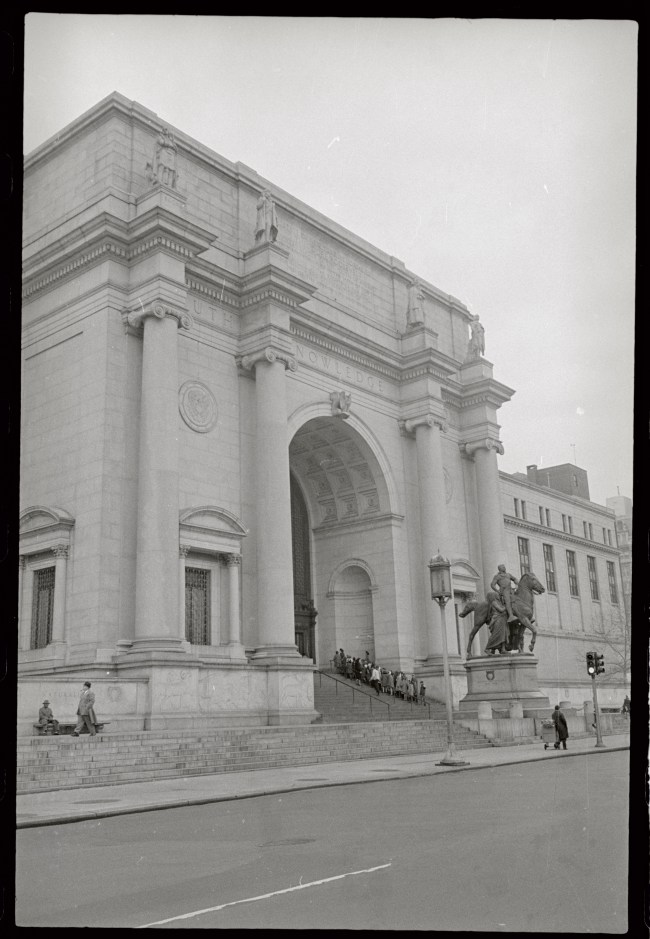
American Museum of Natural History to Repatriate Native American Hair Samples Collected for 1893 World's Fair
The American Museum of Natural History plans to repatriate approximately 2,700 Native American hair samples collected for the 1893 Chicago W
 artforum.com·22h ago
American Museum of Natural History to Repatriate Native American Hair Samples Collected for 1893 World's Fair
The American Museum of Natural History plans to repatriate approximately 2,700 Native American hair samples collected for the 1893 Chicago W
Artforum·22h ago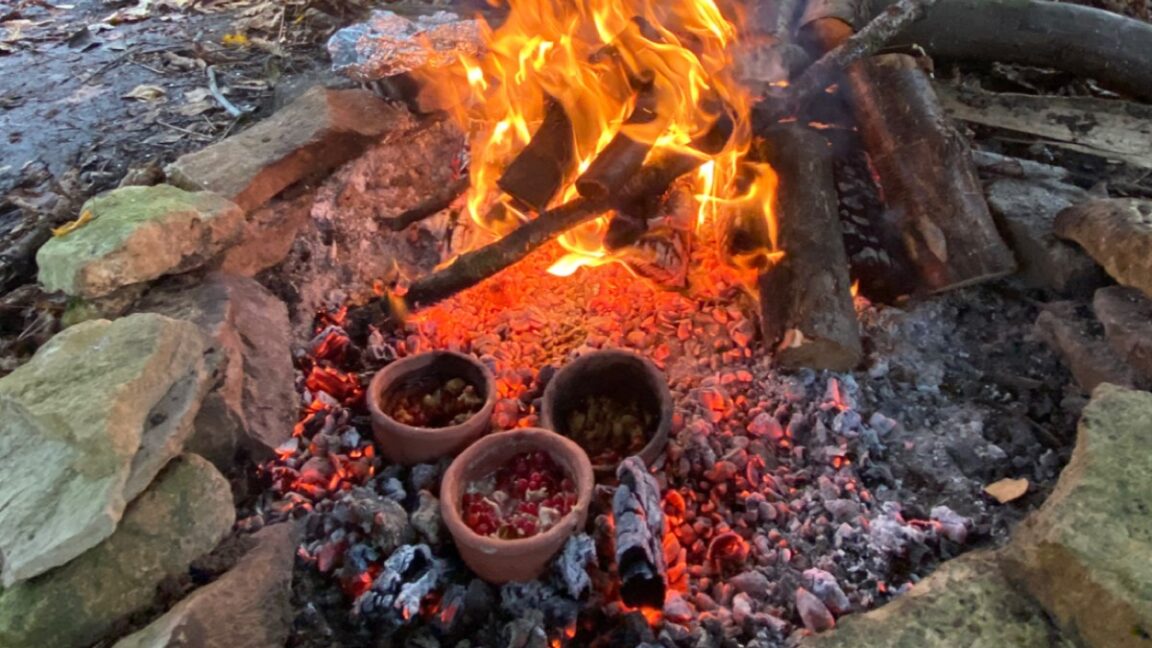
Archaeological Study Reveals Complex Plant-Based Diets of Prehistoric Europeans Through Pottery Residue Analysis
Archaeological research analyzing pottery residues from prehistoric European sites reveals complex plant-based diets and cooking practices.
 arstechnica.com·4mo ago
Comments
Sign in to join the conversation.
No comments yet. Be the first.