
























Celtic Prince's Chariot Grave Discovered in Germany, But the Prince's Remains Are Missing
By
Tim Newcomb
Summary
Archaeologists conducting a routine survey ahead of a solar park construction in Bad Camberg, Germany, discovered a 2,500-year-old Celtic princely tomb from the fifth century B.C.E. The grave contained a chariot and elite artifacts, confirming the site was a significant Celtic activity center. However, the prince's remains are missing, adding a mysterious element to one of the most impressive Iron Age discoveries in the region.
Source
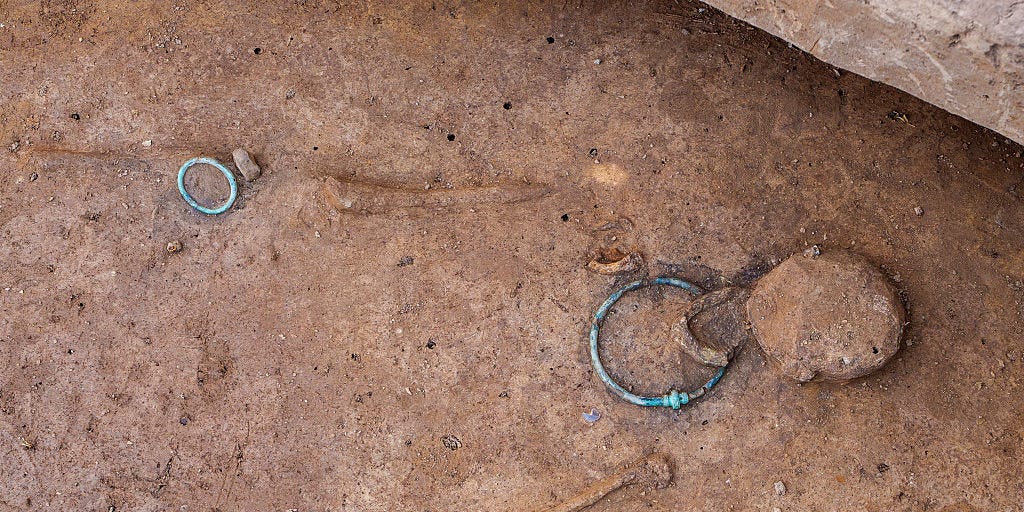
 Twitter / XCeltic Prince's Chariot Grave Discovered in Germany, But the Prince's Remains Are Missingpopularmechanics.com
Key quotes
· 2 pulledEven after the geophysical survey of the planned development area, we speculated about the possible presence of an elite Celtic grave.
How
You might also wanna read

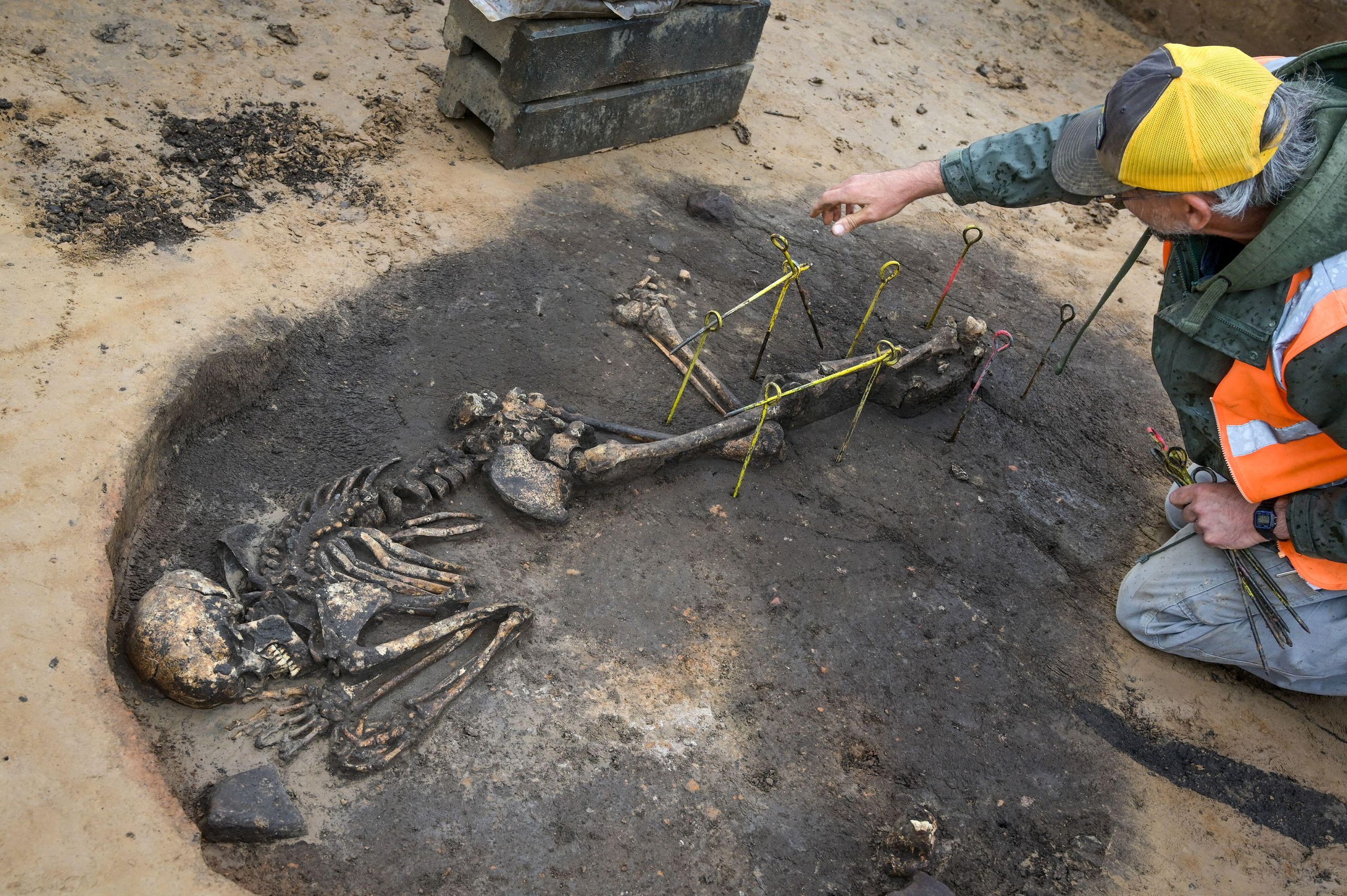
5,000-year-old injured man found buried in abandoned kiln in Germany, possibly a human sacrifice
Archaeologists in Germany discovered a 5,000-year-old burial of an injured man from the Corded Ware culture who was thrown into an abandoned
 livescience.com·18d ago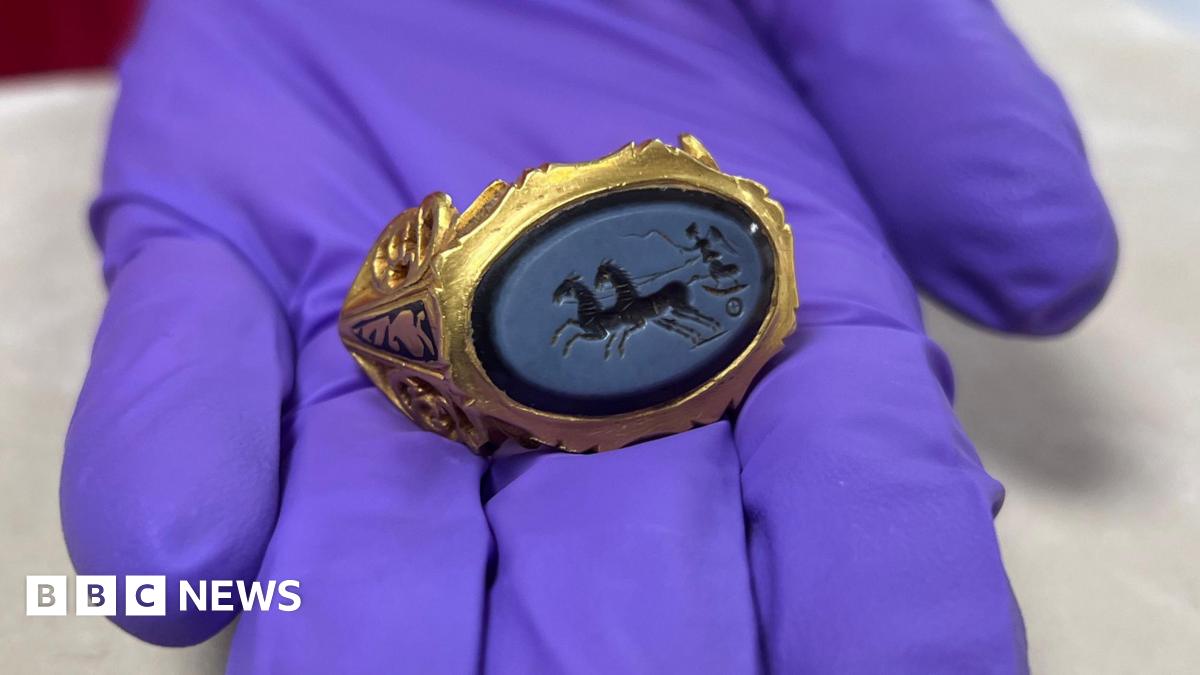
Roman gold ring discovered in Somerset reveals wealthy inhabitants navigated 3rd-century unrest
A large gold ring discovered in Somerset, dating back to 297 AD, is described as a "nationally significant find." The ring, known as the Ilm
 bbc.co.uk·1mo ago
Ancient ring discovered underground in Scotland could be a Stonehenge-like monument
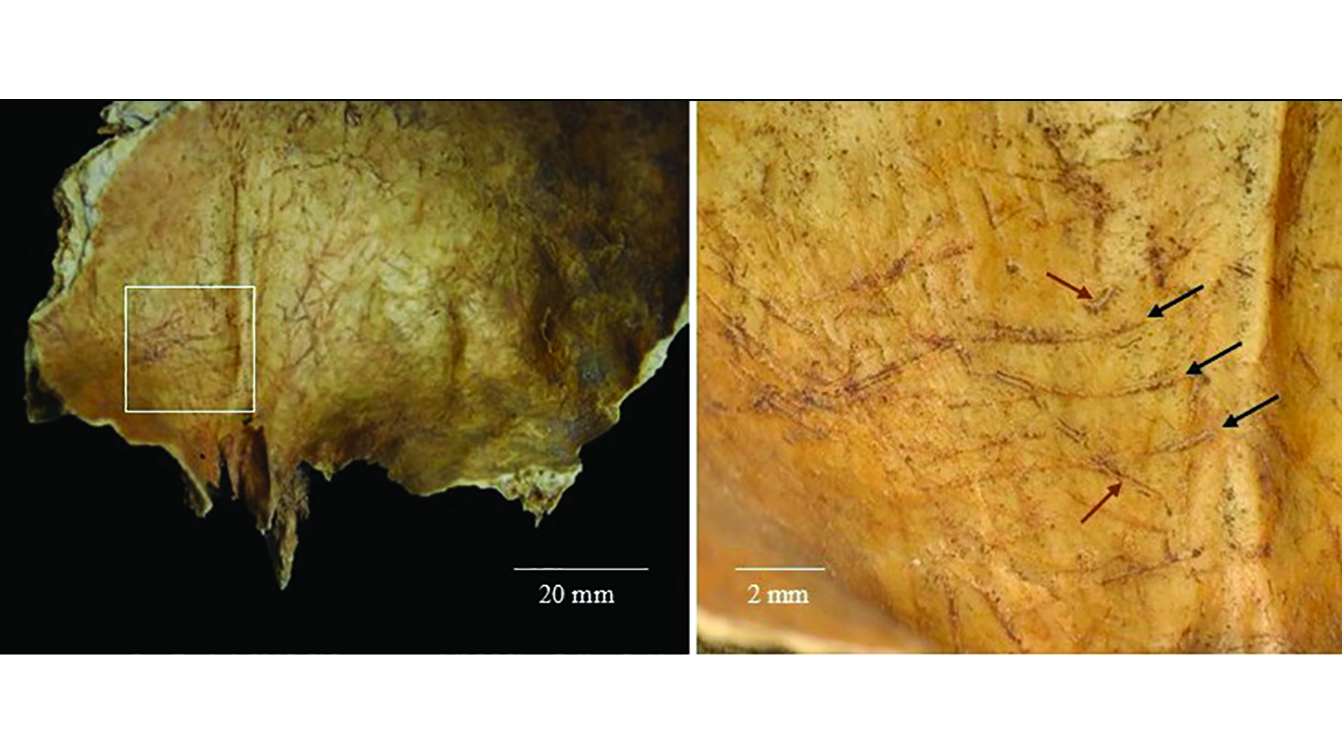
Iron Age burial in Scotland reveals brain removal and bone tool-making rituals 2,000 years ago
A new analysis of 2,000-year-old skeletons from northern Scotland reveals an unusual Iron Age funeral ritual where a woman's brain was remov
livescience.com·25d ago
Gessel gold hoard: 3,300-year-old Bronze Age treasure among largest in prehistoric Europe
The Gessel gold hoard is a 3,300-year-old Bronze Age treasure discovered in Germany, consisting of only three pieces of jewelry yet ranking
livescience.com·1mo ago
1,500-year-old woman's burial reveals early medieval support for disability in Scotland
New research and a new exhibition at The McManus in Dundee reveal how a woman who lived with a lifelong physical impairment over 1,500 years
 dundeeandanguschamber.co.uk·25d ago
Comments
Sign in to join the conversation.
No comments yet. Be the first.