
























AI and the Future of Taxation Rethinking Government Revenue When Machines Replace Workers
From the article
You might also wanna read

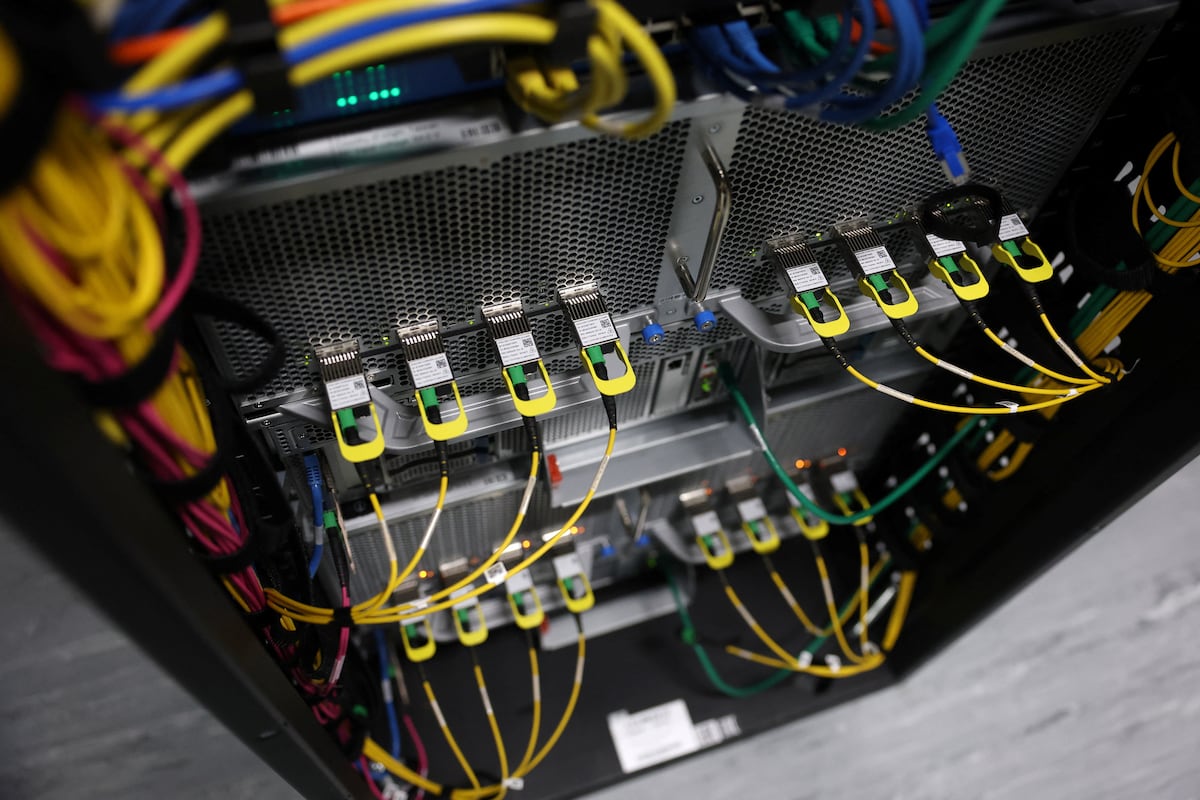
The Debate Over Taxing AI and Automation as Workforce Reductions Impact Public Finances
The article examines the economic implications of AI-driven automation, particularly how workforce reductions by major tech companies like A
 english.elpais.com·6mo ago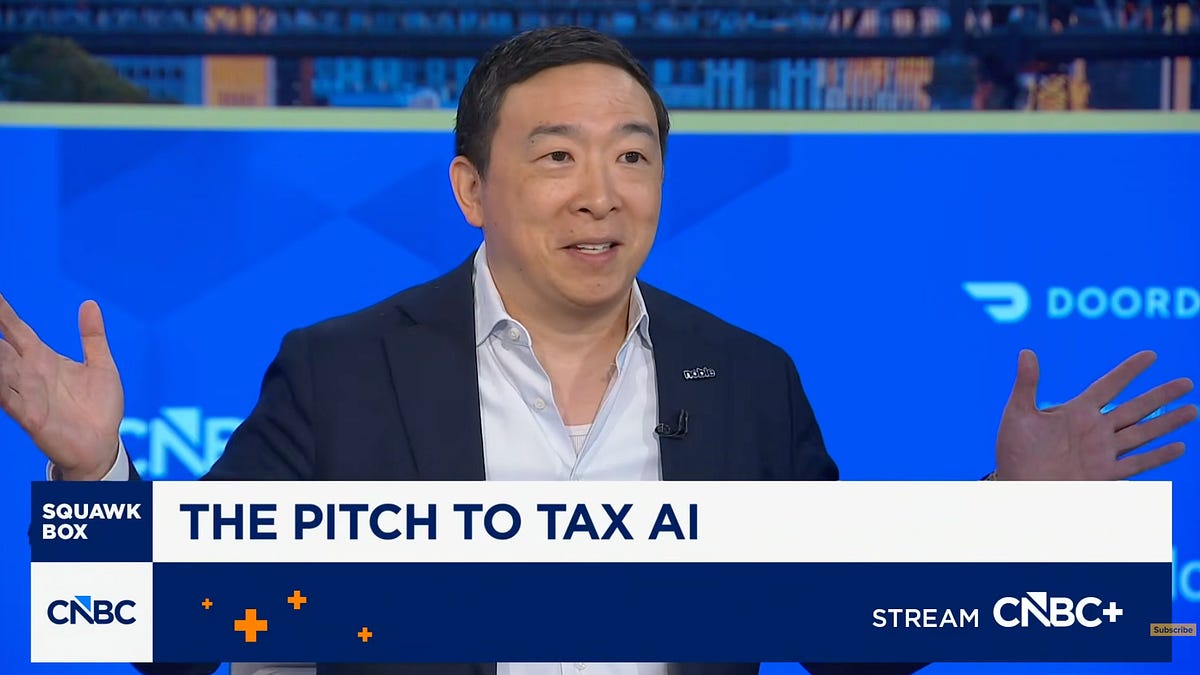
Proposal to tax AI and robots instead of human labor gains attention
The author argues that AI and robots will inevitably displace human workers, and proposes taxing AI/robots instead of humans as a policy sol
 blog.andrewyang.com·10d ago
Taxing AI properly is a simpler solution than complex regulatory schemes
The article argues that instead of complex schemes to make AI pay its way, a simpler and more effective approach would be to properly tax AI
 ft.trib.al·1mo ago
Why a compute tax on artificial intelligence would harm innovation and competitiveness
This article argues against a proposed "compute tax" on AI computation and data processing, warning that such a tax would slow innovation, r
 reason.org·1mo ago
The Impact of AI on Jobs, Wealth, and the Future of Work
A comprehensive analysis of AI's impact on the labor market, compiling recent research on how AI is reshaping jobs, firm strategies around A
 kyla.substack.com·1mo ago
The Impact of AI on Jobs, Wealth, and the Future of Work
A comprehensive analysis of AI's impact on the labor market, compiling recent research on how AI is reshaping jobs, firm strategies around A
kyla.substack.com·1mo ago
The Mathematical Nature of Wealth Inequality and AI's Disruption of Traditional Pathways
This essay argues that wealth distribution follows a power law rather than a normal distribution, making it fundamentally different from oth
 danielhomola.com·3mo ago
Comments
Sign in to join the conversation.
No comments yet. Be the first.