





















Why a compute tax on artificial intelligence would harm innovation and competitiveness
By
Max Gulker Managing Director

The bagel they save for the regulars. Don't skim, savour.
Summary
This article argues against a proposed "compute tax" on AI computation and data processing, warning that such a tax would slow innovation, reduce productivity gains, and weaken American competitiveness. The author contends that while AI disruption is real, taxing the computing power behind AI is the wrong policy response, as it would stifle the very technology driving economic growth and productivity improvements.
Key quotes
· 3 pulledThe rapid rise of artificial intelligence (AI) is opening a world of possibilities through innovation and gains to human productivity, but any technology with such potential will also bring disruptions to our economy and society.
One proposal gaining traction in some quarters is a 'compute tax' assessed on every unit of the computation and data processing that powers AI and robotics.
Taxing the computing power behind artificial intelligence could slow innovation, reduce productivity gains, and weaken American competitiveness.
You might also wanna read


The Debate Over Taxing AI and Automation as Workforce Reductions Impact Public Finances
The article examines the economic implications of AI-driven automation, particularly how workforce reductions by major tech companies like A
 english.elpais.com·6mo ago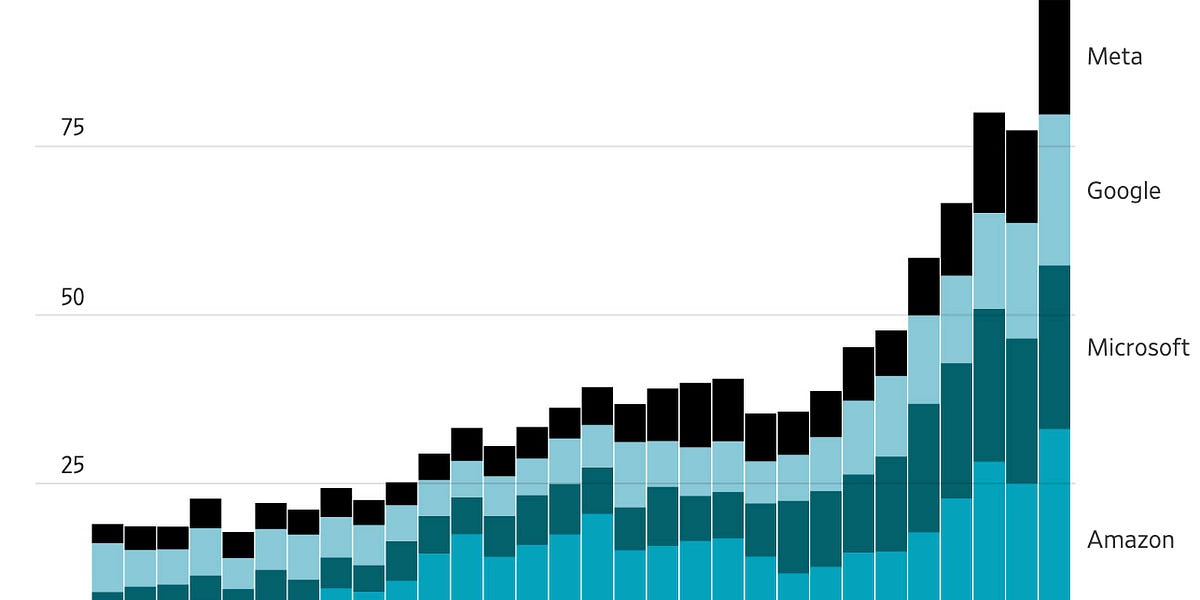
The AI Bubble's Temporary Boost to the US Economy and Growing Backlash
The article discusses the significant impact of the AI bubble on the US economy, highlighting its temporary benefits. It also touches on the
 bloodinthemachine.com·10mo ago
Analyzing the Economic Viability of AI Infrastructure Investments
This article is a follow-up to the author's previous analysis questioning the economic viability of AI investments. The author examines whet
 pracap.com·8mo ago
Policy Responses for AI's Economic Impact: Exploring Proactive Measures
This article discusses the need for policymakers to prepare for AI's economic impacts and shares initial policy ideas from economists and re
 anthropic.com·8mo ago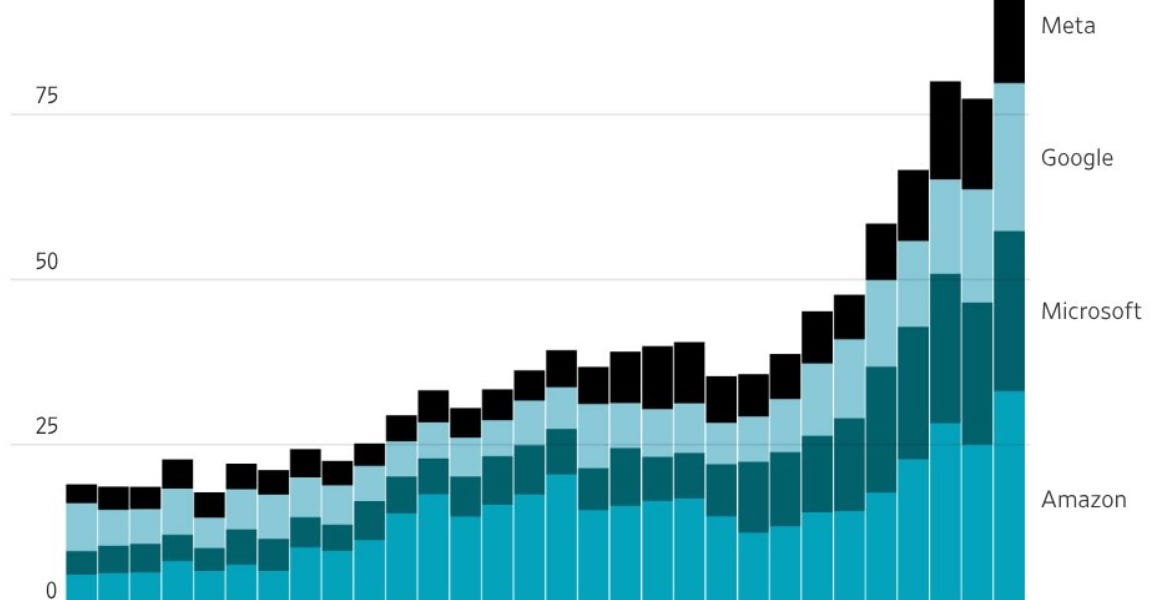
The Dominance of AI in the US Economy: Key Insights
The article highlights the significant impact of artificial intelligence (AI) on the US economy, contrasting the booming AI sector with the
 derekthompson.org·10mo ago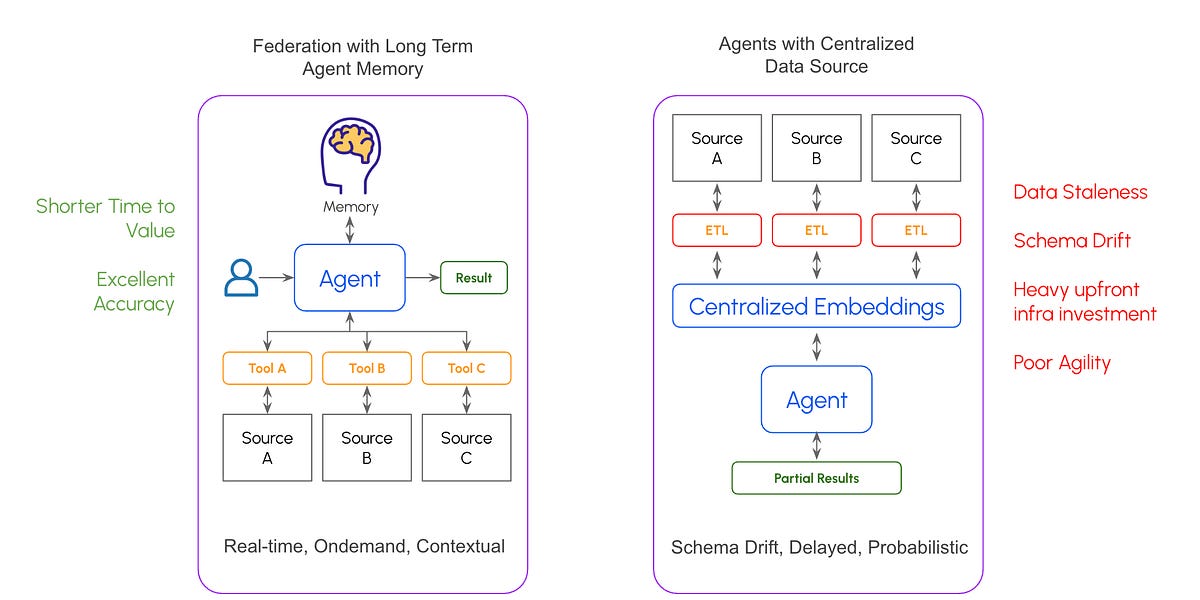
Why AI Agents Should Query Existing Data Systems Instead of Building Vector Infrastructure
The article argues against the prevailing trend of building parallel AI-specific data infrastructure (vector databases, embedding pipelines,
 gnanaguru.com·5mo ago