
























Senegalese women's cooperatives create agroecological bouillon alternative to challenge industrial food models
By
Witness Radio
Summary
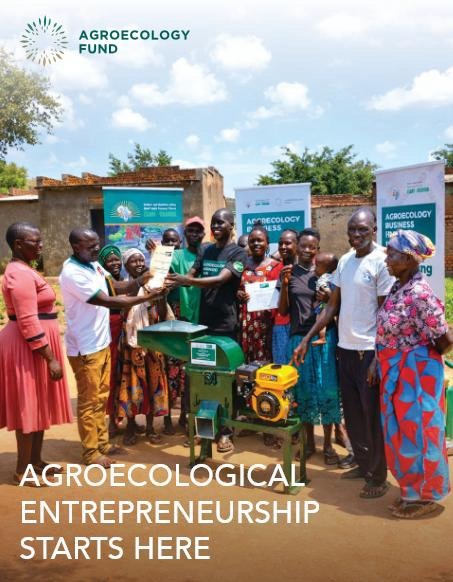
In rural Senegal, women's groups are producing Sumpak, a natural bouillon cube alternative made from local beans, spices, and traditional ingredients. This product challenges industrial food models by promoting agroecological farming, traditional food knowledge, and grassroots entrepreneurship. Sumpak represents a broader movement across Africa where small-scale farmers and women-led cooperatives are building sustainable, self-reliant businesses that offer locally sourced alternatives to mass-produced food products common in West African kitchens.
Source
 bskySenegalese women's cooperatives create agroecological bouillon alternative to challenge industrial food modelsradio.witnessradio.org
Key quotes
· 3 pulledSumpak is marketed as a locally sourced option rooted in agroecological farming and traditional food knowledge.
For its creators, Sumpak symbolizes a continent-wide movement where small-scale farmers and grassroots groups create businesses that embody self-reliance, sustainability...
In rural Senegal, women's groups use roasting, grinding, and mixing equipment to turn local beans, spices, and traditional ingredients into a natural product called Sumpak.
You might also wanna read


UWE Bristol student projects feature sustainable agriculture factory and accessible art kit
This article from Dezeen School Shows highlights several student projects from UWE Bristol, including a proposal for a sustainable agricultu
 Dezeen·1mo ago
Nine Innovative Homes Designed for Food Production and Sustainable Living
This article showcases nine residential architecture projects from around the world that are designed to prioritize food production and self
Dezeen·9mo ago
Peerasin Punxh Hutapheat Develops Growink: A Sustainable Bio-Ink Using Fungal Pigments
Central Saint Martins graduate Peerasin Punxh Hutapheat has developed Growink, a bio-ink that replaces petroleum-based dyes with fungal pigm
Dezeen·10mo ago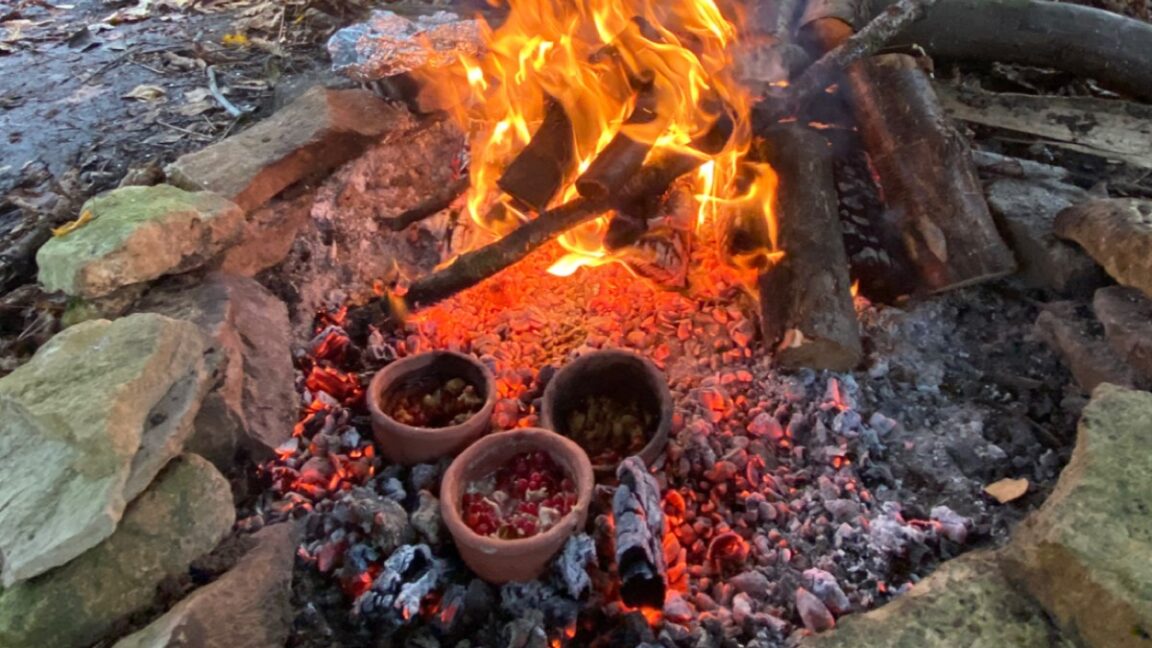
Archaeological Study Reveals Complex Plant-Based Diets of Prehistoric Europeans Through Pottery Residue Analysis
Archaeological research analyzing pottery residues from prehistoric European sites reveals complex plant-based diets and cooking practices.
 arstechnica.com·3mo ago
Comments
Sign in to join the conversation.
No comments yet. Be the first.