
























Agents, Workers - npm i agents
1y ago
Source
CloudflareAgents, Workers - npm i agentscloudflare.comagents-sdk -> agents Updated 📝 We've renamed the Agents package to agents ! If you've already been building with the Agents SDK, you can update your dependencies to use the new package name, and replace references to agents-sdk with agents : # Install the new package npm i agents # Remove the old (deprecated) package npm uninstall agents-sdk # Find instances of the old package name in your codebase grep -r 'agents-sdk' . # Replace instances of the old package name with the new one # (or use find-replace in your editor) sed -i 's/agents-sdk/agents/g' $( grep -rl 'agents-sdk' . ) All future updates will be pushed to the new agents package, and the older package has been marked as deprecated. Agents SDK updates New We've added a number of big new features to the Agents SDK over the past few weeks, including: You can now set cors: true when using routeAgentRequest to return permissive default CORS headers to Agent responses. The regular client now syncs state on the agent (just like the React version). useAgentChat bug fixes for passing headers/credentials, including properly clearing cache on unmount. Experimental /schedule module with a prompt/schema for adding scheduling to your app (with evals!). Changed the internal zod schema to be compatible with the limitations of Google's Gemini models by removing the discriminated union, allowing you to use Gemini models with the scheduling API. We've also fixed a number of bugs with state synchronization and the React hooks. JavaScript // via export default { async fetch ( request , env ) { return ( // Set { cors: true } to enable CORS headers. ( await routeAgentRequest ( request , env , { cors : true } )) || new Response ( "Not found" , { status : 404 } ) ) ; }, }; TypeScript // via export default { async fetch ( request : Request , env : Env ) { return ( // Set { cors: true } to enable CORS headers. ( await routeAgentRequest ( request , env , { cors : true } )) || new Response ( "Not found" , { status : 404 } ) ) ; }, } satisfies ExportedHandler < Env >; Call Agent methods from your client code New We've added a new @unstable_callable() decorator for defining methods that can be called directly from clients. This allows you call methods from within your client code: you can call methods (with arguments) and get native JavaScript objects back. JavaScript // server.ts import { unstable_callable , Agent } from "agents" ; export class Rpc extends Agent { // Use the decorator to define a callable method @ unstable_callable ( { description : "rpc test" , } ) async getHistory () { return this . sql `SELECT * FROM history ORDER BY created_at DESC LIMIT 10` ; } } TypeScript // server.ts import { unstable_callable , Agent , type StreamingResponse } from "agents" ; import type { Env } from "../server" ; export class Rpc extends Agent < Env > { // Use the decorator to define a callable method @ unstable_callable ( { description : "rpc test" , } ) async getHistory () { return this . sql `SELECT * FROM history ORDER BY created_at DESC LIMIT 10` ; } } agents-starter Updated We've fixed a number of small bugs in the agents-starter project — a real-time, chat-based example application with tool-calling & human-in-the-loop built using the Agents SDK. The starter has also been upgraded to use the latest wrangler v4 release. If you're new to Agents, you can install and run the agents-starter project in two commands: # Install it $ npm create cloudflare@latest agents-starter -- --template="cloudflare/agents-starter" # Run it $ npm run start You can use the starter as a template for your own Agents projects: open up src/server.ts and src/client.tsx to see how the Agents SDK is used. More documentation Updated We've heard your feedback on the Agents SDK documentation, and we're shipping more API reference material and usage examples, including: Expanded API reference documentation , covering the methods and properties exposed by the Agents SDK, as well as more usage examples. More Client API documentation that documents useAgent , useAgentChat and the new @unstable_callable RPC decorator exposed by the SDK. New documentation on how to route requests to agents and (optionally) authenticate clients before they connect to your Agents. Note that the Agents SDK is continually growing: the type definitions included in the SDK will always include the latest APIs exposed by the agents package. If you're still wondering what Agents are, read our blog on building AI Agents on Cloudflare and/or visit the Agents documentation to learn more.
You might also wanna read


Enabling the agentic enterprise: business and industry agents arrive in Gemini Enterprise
Google News·2mo ago

Agents SDK — TypeScript
github.com·11mo ago
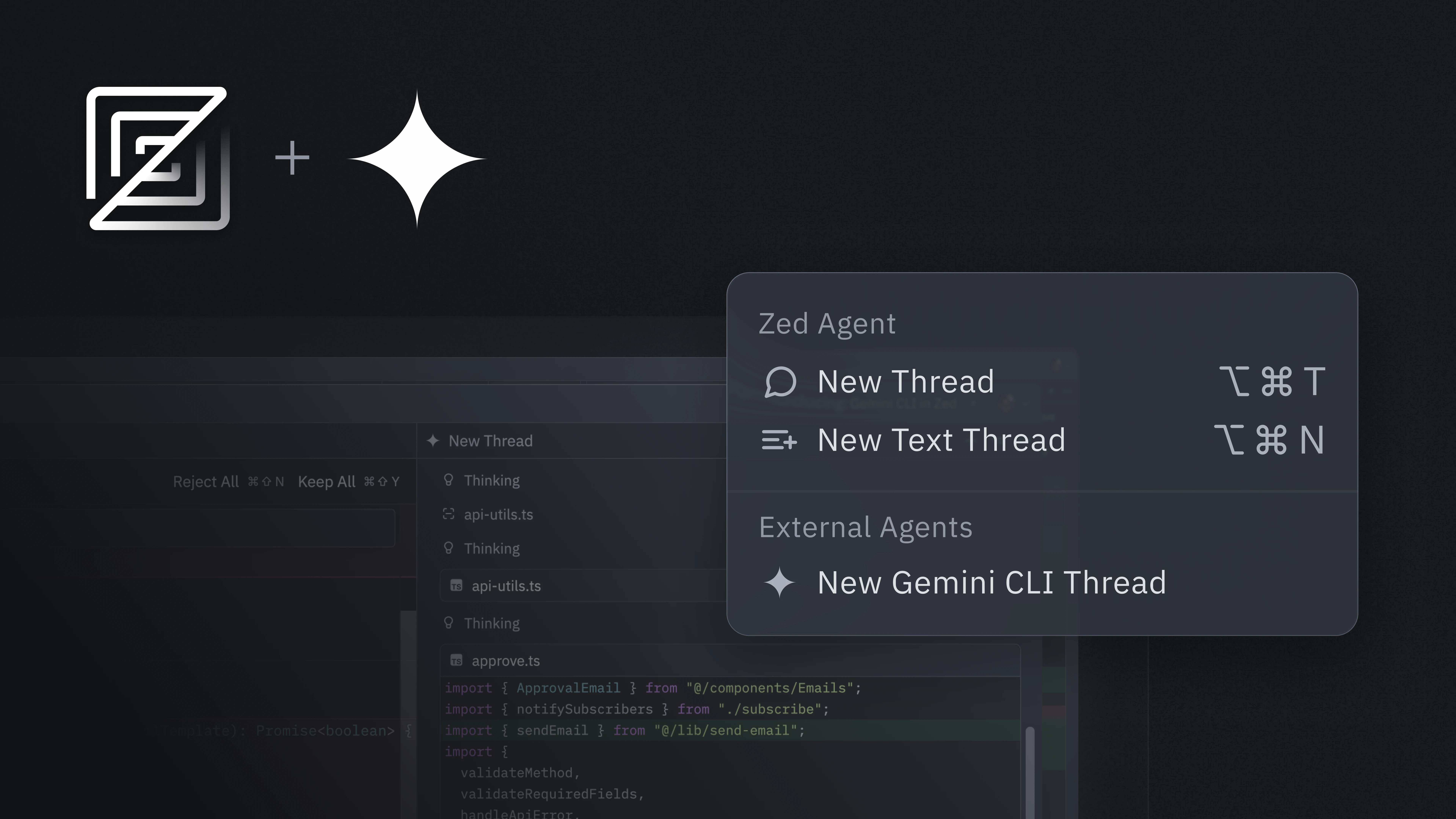
Zed Introduces Agent Client Protocol for Third-Party AI Agent Integration, Starting with Google Gemini CLI
Zed, a code editor, has introduced the Agent Client Protocol (ACP) that allows users to integrate third-party AI agents directly within the
 zed.dev·10mo ago
How to Integrate Existing AI Agents into Microsoft Teams Using TypeScript SDK
This article provides a technical guide for developers on how to integrate existing AI agents or bots into Microsoft Teams without rewriting
 microsoft.github.io·2mo ago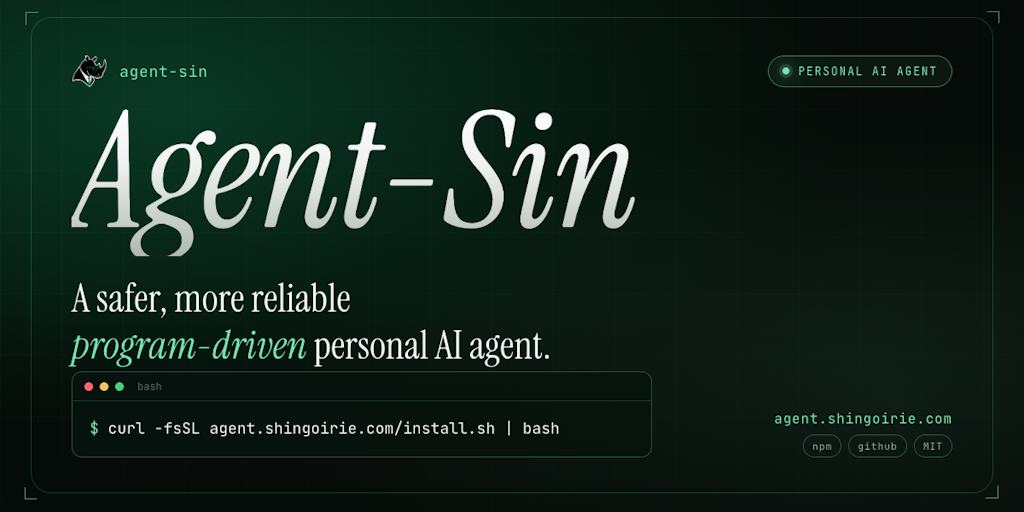
Agent-Sin: A reusable AI agent for automating daily chores like email, news, and todos
Agent-Sin is a personal AI agent designed to handle repetitive daily tasks like email management, news digests, and todo reminders. Unlike p
 Product Hunt·1mo ago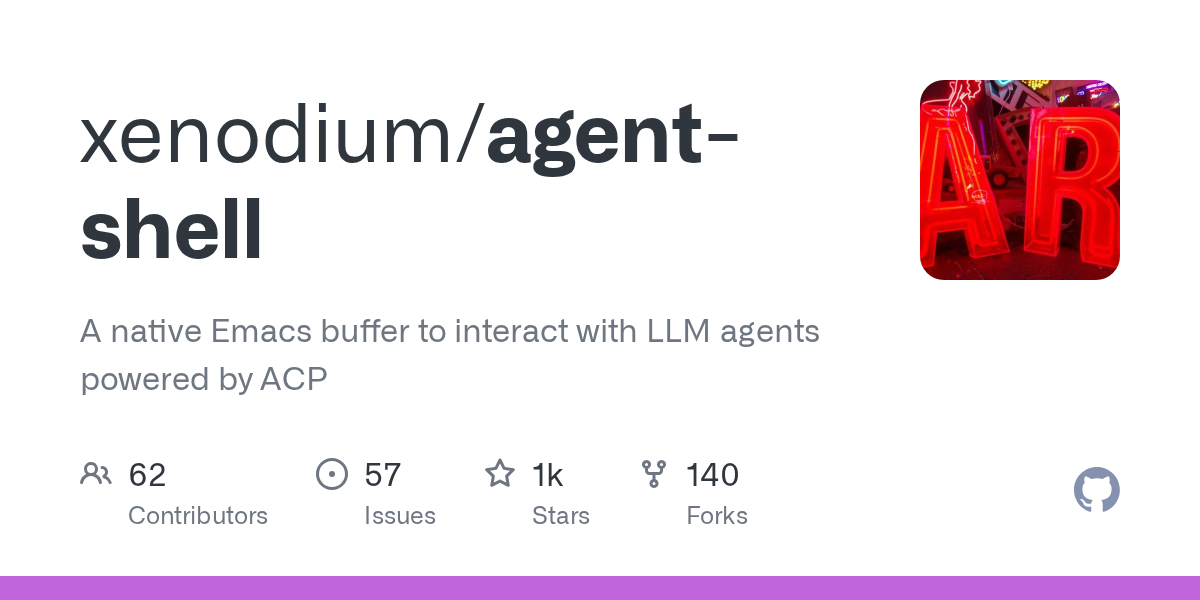
agent-shell: Native Emacs Interface for LLM Agents via Agent Client Protocol
agent-shell is a native Emacs buffer interface that allows users to interact with LLM (Large Language Model) agents through the Agent Client
 github.com·5mo ago
Comments
Sign in to join the conversation.
No comments yet. Be the first.