
























ASCO Day 3: Pancreatic cancer advance earns standing ovation; Akeso and Summit face disappointment
By
Adam Feuerstein, Matthew Herper, Katherine MacPhail, Angus Chen
Summary
Coverage of Day 3 at the ASCO (American Society of Clinical Oncology) annual meeting, highlighting a significant advance in pancreatic cancer treatment that earned a standing ovation from oncologists, contrasted with disappointing results for Akeso and Summit. The article also mentions a new approach to immunotherapy being presented at the conference.
Source

 bskyASCO Day 3: Pancreatic cancer advance earns standing ovation; Akeso and Summit face disappointmentstatnews.com
Key quotes
· 3 pulledOncologists are capable of some raucous applause, but they don't bestow it upon just anyone.
Today saw one of those coveted standing ovations, and the hoots and cheers were not held for the end.
The plenary may have passed, but ASCO isn't over yet
You might also wanna read

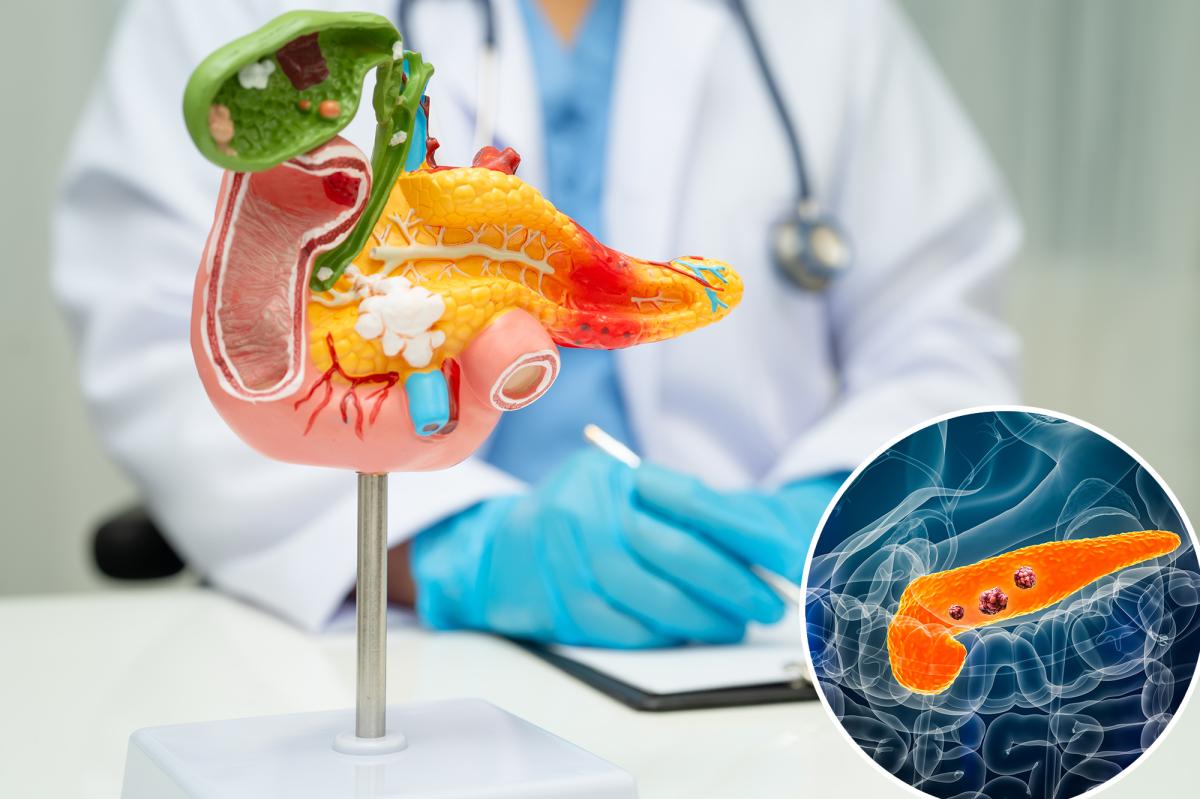
Spanish Researchers Develop Breakthrough Therapy Protocol for Pancreatic Cancer Treatment
Spanish researchers have developed a new therapy protocol that could revolutionize pancreatic cancer treatment. Pancreatic cancer is notorio
 nypost.com·4mo ago
Promising pancreatic cancer drug may unlock new class of treatments targeting cancer's master switch
The article discusses a promising new drug that targets pancreatic tumors and may have revealed a "master switch" for cancer. The treatment
 economist.com·10d ago
Daily pill daraxonrasib doubles survival in advanced pancreatic cancer, clinical trial shows
A clinical trial has shown that a daily pill called daraxonrasib can double survival time for patients with advanced pancreatic cancer, one
 theguardian.com·23d ago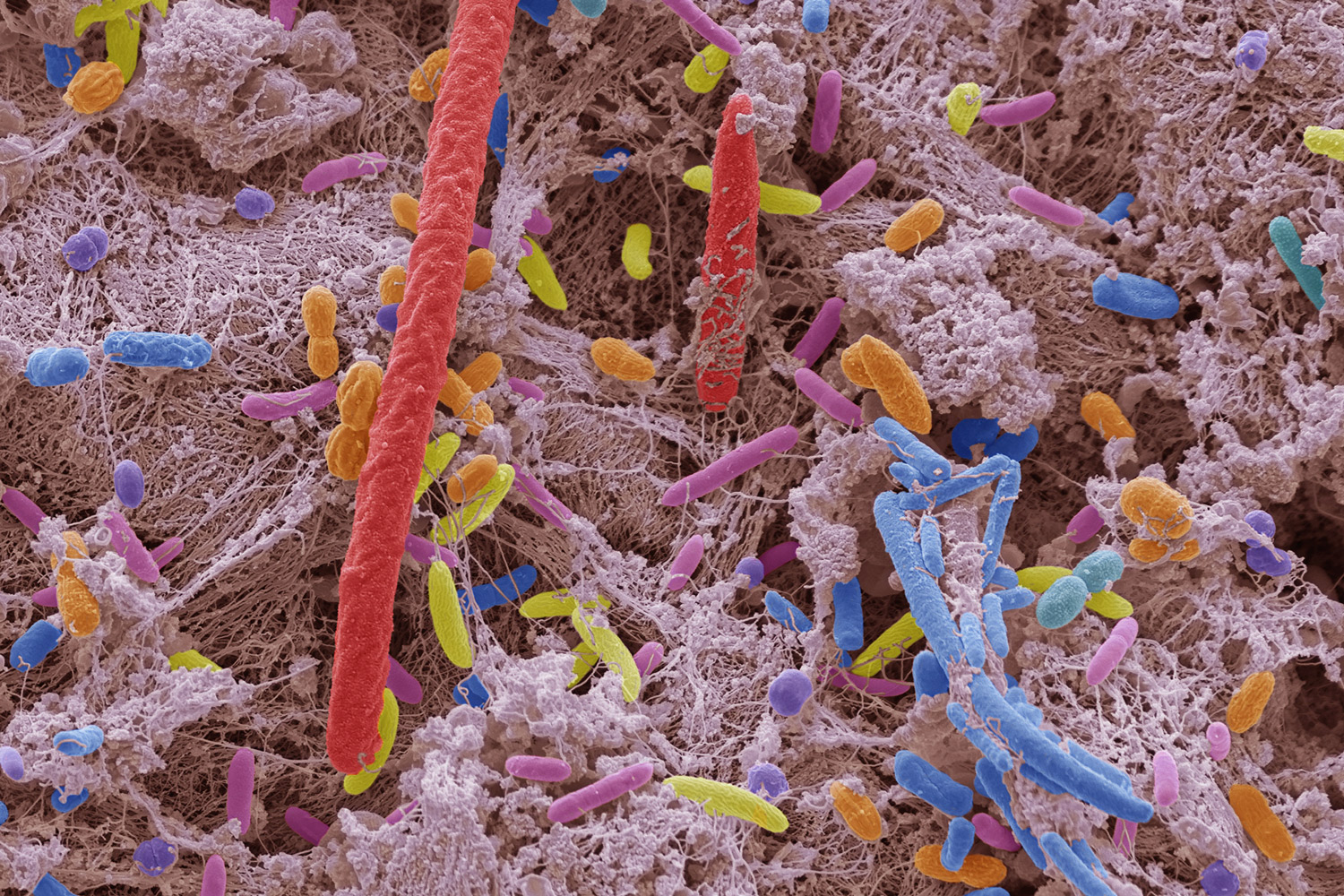
Oral Microbes Linked to Increased Risk of Pancreatic Cancer
 nyulangone.org·9mo ago
Scientists removed from ADA conference for sharing editorial critical of Trump administration's science policies
Five leading scientists, including the editor-in-chief of Diabetes Care and a former ADA president, were ejected from the American Diabetes
 arstechnica.com·16d ago
New plasma proteomics model improves thrombosis risk prediction in cancer patients and identifies IL-17-driven endothelial activation as therapeutic target
This article presents research by Karagkouni and colleagues who developed a new cancer-associated venous thromboembolism (VTE) prediction mo
 scim.ag·18h ago
Comments
Sign in to join the conversation.
No comments yet. Be the first.