
























New Gene Activity-Based Clock Improves Biological Aging Predictions
By
David Nield
Summary
Scientists have developed a new epigenetic 'clock' based on gene activity that can predict lifespan and capture hallmarks of chronic disease. Unlike previous tools that tally chemical marks on DNA, this new approach uses gene activity patterns to gauge biological aging more reliably. While it cannot predict an exact death date, it offers improved accuracy in measuring how worn out a person's organs and cells are compared to their chronological age.
Source
 bskyNew Gene Activity-Based Clock Improves Biological Aging Predictionssciencealert.com
Key quotes
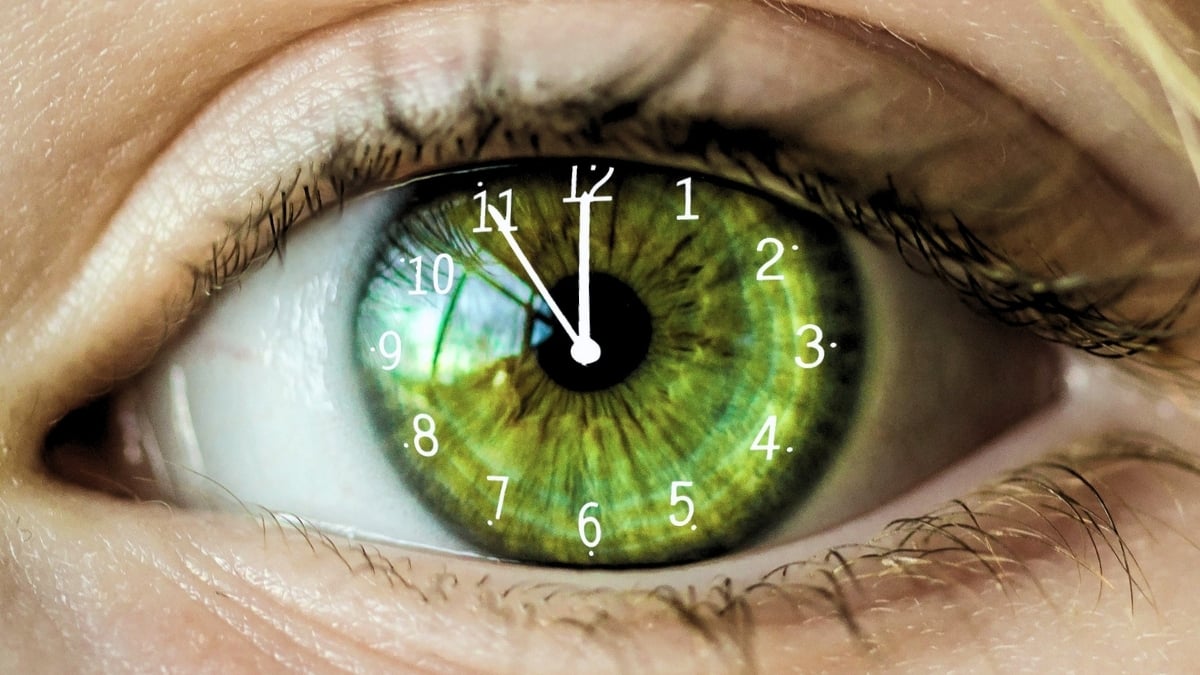
· 3 pulledThe clock is ticking on all our lives; we just don't know when it will stop.
Scientists have devised a host of tools in their attempts to gauge biological aging – not just how many birthdays a person has had, but how worn out their organs and cells are.
Now, researchers have developed a new clock based on gene activity that accurately predicts lifespan and captures hallmarks of chronic disease.
You might also wanna read


Taking apart the DNA-methylation clock with an epigenetic progeria syndrome

Biological aging and generational shifts in early-onset cancer risk
Method to reverse cellular ageing is about to be tested in humans

Age engineering: Creating age-matched tissues for better biomedical models of ageing
This article discusses the emerging field of 'age engineering' or 'ageneering' — the methodological approach to engineering the age of tissu

Stanford Medicine Study Uncovers Biomolecular Shifts in 40s and 60s
A Stanford Medicine study reveals significant biomolecular changes in individuals in their 40s and 60s, impacting molecules and microorganis
med.stanford.edu·1y ago
Moderate Coffee Consumption Linked to Slower Biological Ageing in People with Severe Mental Illness
New research from King's College London reveals that moderate coffee consumption (within NHS recommended limits) is associated with longer t
Comments
Sign in to join the conversation.
No comments yet. Be the first.