
























A last dance before death: Binary stars and the origins of interacting supernovae
7h ago
Source
PhysA last dance before death: Binary stars and the origins of interacting supernovaephys.orgWhen massive stars die, they unleash some of the most powerful explosions in the universe. Yet not all supernovae are created equal. Some continue to shine brightly for months or even years as their expanding debris crashes into dense clouds of gas surrounding the star. These spectacular events, known as interacting supernovae, have puzzled astronomers for decades because the origin of this mysterious material has remained unclear.
You might also wanna read

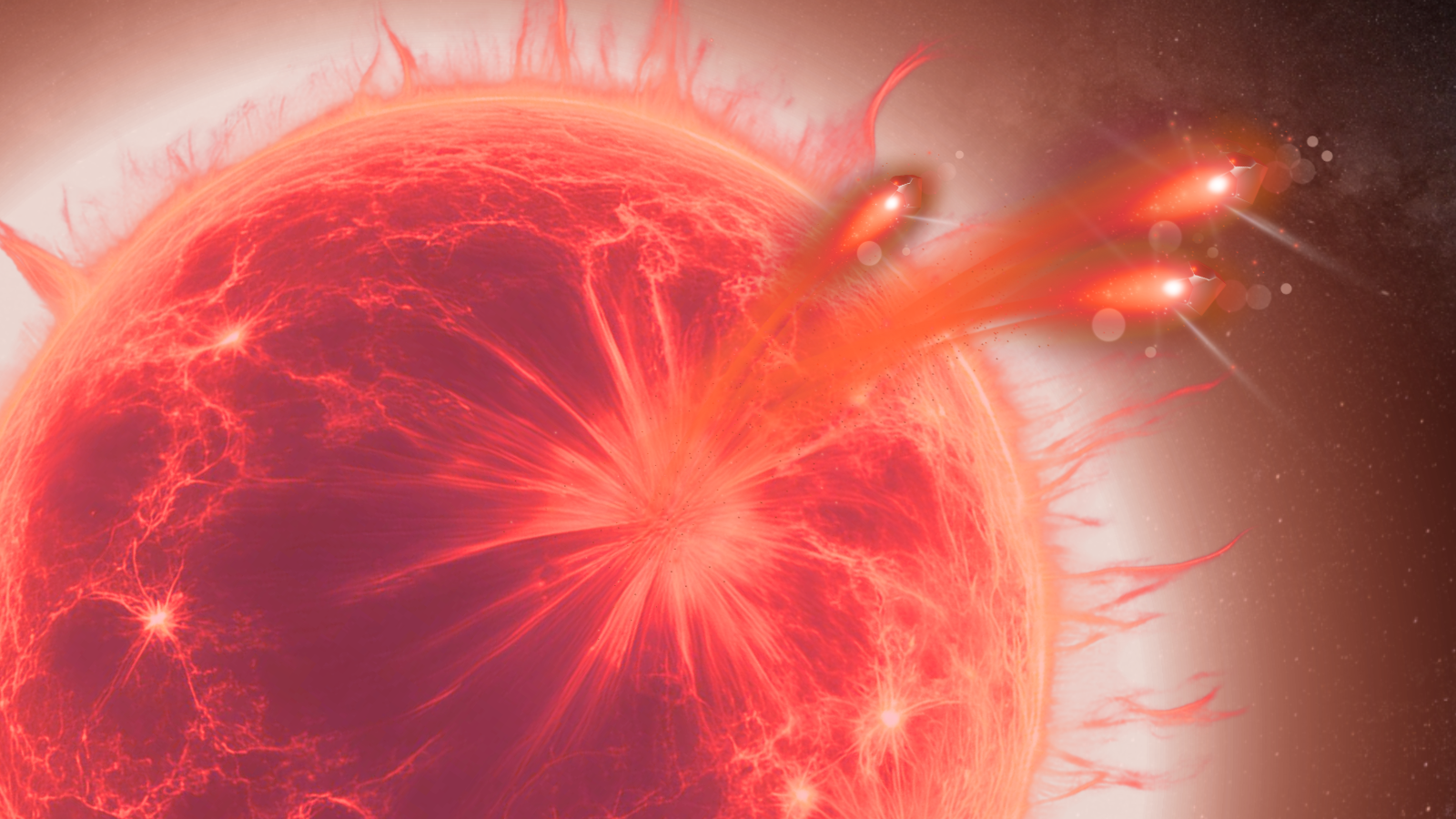
Dying stars like the sun eject plasma blobs and receive recoil 'kicks,' new research shows
Scientists have discovered that dying stars like our sun don't fade quietly. When stars enter their red giant phase after exhausting their c
 space.com·14d ago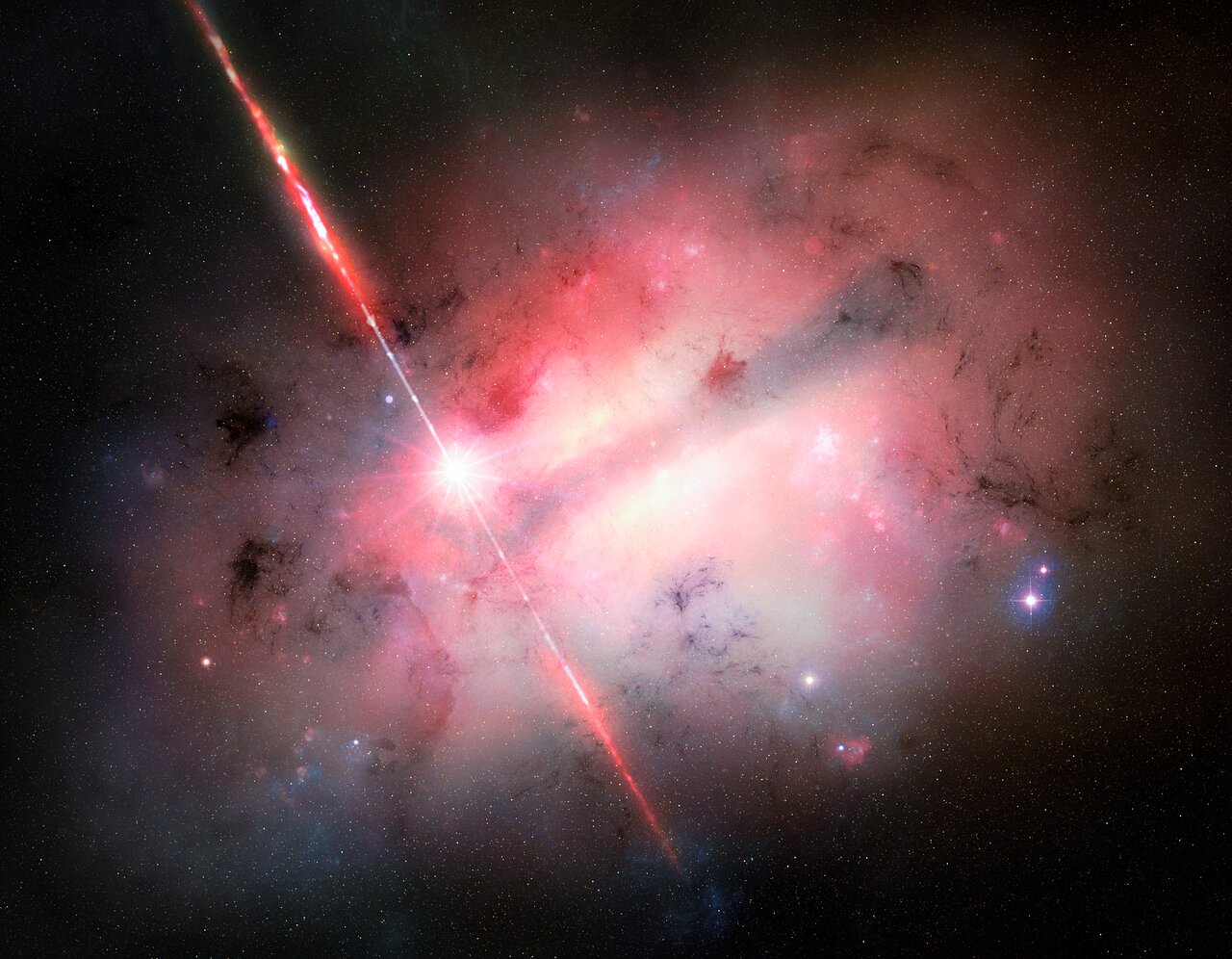
Researchers Propose White Dwarf–Black Hole Interactions to Explain Record-Breaking Gamma-Ray Burst GRB 250702B
In 2025, the Fermi Gamma-ray Space Telescope detected GRB 250702B, the longest gamma-ray burst ever observed, originating from a distant dus
 aasnova.org·26d ago
Cosmic-ray bath in a past supernova gives birth to Earth-like planets
science.org·6mo ago
Astronomers witness the birth of a magnetar for the first time
ScienceDaily·12h ago
502 Bad Gateway
up.by·7d ago

Faint radio signals detected from previously silent 'Blue Eye' neutron star for the first time
Astronomers have detected faint radio emissions from a previously silent neutron star nicknamed the 'Blue Eye Pulsar' — a rare discovery aft
 space.com·5h ago
Faint radio signals detected from previously silent 'Blue Eye' neutron star for the first time
Astronomers have detected faint radio emissions from a previously silent neutron star nicknamed the 'Blue Eye Pulsar' — a rare discovery aft
space.com·5h agoFaint radio signals detected from previously silent 'Blue Eye' neutron star for the first time
Astronomers have detected faint radio emissions from a previously silent neutron star nicknamed the 'Blue Eye Pulsar' — a rare discovery aft
Space·5h ago
Comments
Sign in to join the conversation.
No comments yet. Be the first.