

























Clinical trial explores high-dose vitamin B3 as potential treatment for glioblastoma brain cancer
Summary
A clinical trial is exploring whether high doses of vitamin B3 (niacin) could help patients with glioblastoma, an aggressive and deadly brain cancer. Scientists discovered that niacin may help revive immune cells that tumors shut down, enabling them to attack cancer more effectively. Early results have been promising, with patients showing significantly better progression-free survival than expected. The article follows the story of Edward Waldner, a 55-year-old diagnosed with glioblastoma, highlighting the potential of this vitamin-based approach to improve outcomes against one of the deadliest brain cancers.
Source
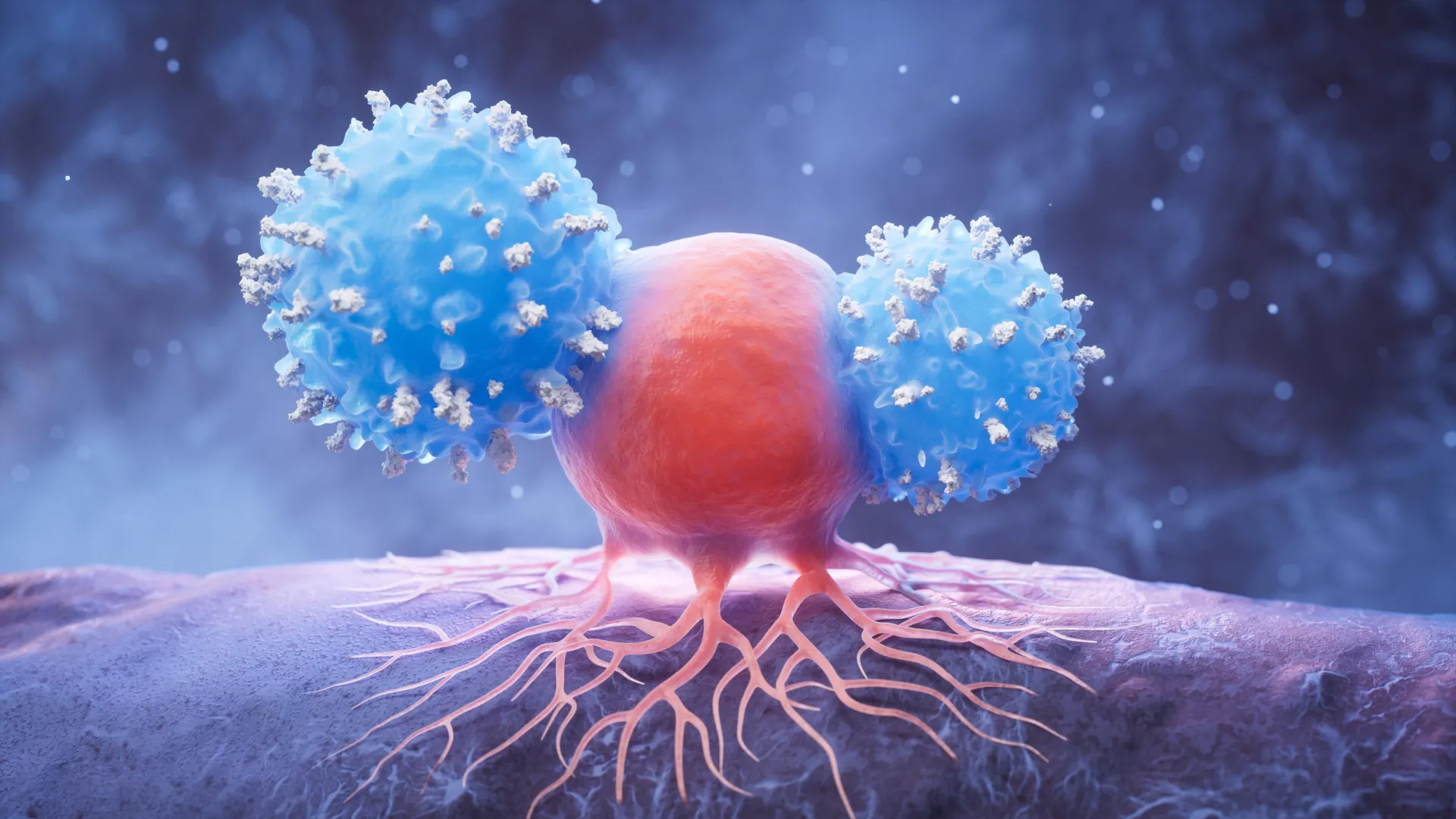 Twitter / XClinical trial explores high-dose vitamin B3 as potential treatment for glioblastoma brain cancersciencedaily.com
Key quotes
· 3 pulledThe doctor said I had a mass on my brain and needed to see an oncologist.
For months, Edward (Ed) Waldner knew something wasn't right.
Early results have been promising, with patients showing significantly better progression-free survival than expected.
You might also wanna read


Nutrigenomics framework identifies vitamin B3 as potential therapy for NAXD deficiency disorder
This article presents a nutrigenomics framework that systematically identifies monogenic diseases that can be treated with vitamin supplemen

Non-lytic viral immunotherapy induces long-term glioblastoma survival and tumor-specific immunity without eliciting an antiviral response
Japanese researchers develop vitamin K-like compounds that may help convert brain cells into neurons
Japanese researchers have developed a new family of vitamin K-like molecules that may help immature brain cells transition into neurons. Whi
 zmescience.com·24d ago
Personalized glioblastoma vaccine shows safety and survival promise in phase 1 trial
A phase 1 clinical trial at Siteman Cancer Center found that a personalized vaccine for glioblastoma, an aggressive brain cancer, is safe an
 flip.it·22d ago
AI tool analyzes tumour images to guide treatment for common brain cancer
Scientists at the University of Toronto and Mayo Clinic have developed an AI tool that analyzes images of tumour tissue to help identify men
 thebraintumourcharity.org·15d ago
CRISPR-Engineered Fat Cells Show Promise for Starving Cancer Tumors
Researchers at UC San Francisco have developed a novel cancer treatment approach using CRISPR-engineered fat cells to starve tumors. They tr
 ucsf.edu·5mo ago
Comments
Sign in to join the conversation.
No comments yet. Be the first.