





















Nutrigenomics framework identifies vitamin B3 as potential therapy for NAXD deficiency disorder
By
Isha H. Jain1,2,10,16 Send email to [email protected]

The kind of bagel that ruins lesser bagels for you.
Summary
This article presents a nutrigenomics framework that systematically identifies monogenic diseases that can be treated with vitamin supplementation. Using genome-wide CRISPR screens under varying vitamin B2 and B3 levels, researchers discovered that NAXD (NAD(P)HX dehydratase) is the top hit in the vitamin B3 screen. NAXD repairs an aberrant hydrated form of NADH. The study demonstrates that vitamin B3 therapy rescues NAD(P)(H) metabolism, prevents brain pathology, and extends lifespan by more than 40-fold in a Naxd knockout mouse model, offering a potential therapy for NAXD deficiency—a lethal neurodevelopmental disorder.
Key quotes
· 3 pulledWe developed a nutritional genomics framework to systematically identify monogenic diseases responsive to micronutrient modulation.
In the vitamin B3 screen, NAD(P)HX dehydratase (NAXD) was the top hit; this enzyme repairs an aberrant, hydrated form of NADH.
In this Naxd KO mouse model, vitamin B3 rescues NAD(P)(H) metabolism, prevents brain pathology, and extends lifespan by more than 40-fold.
You might also wanna read

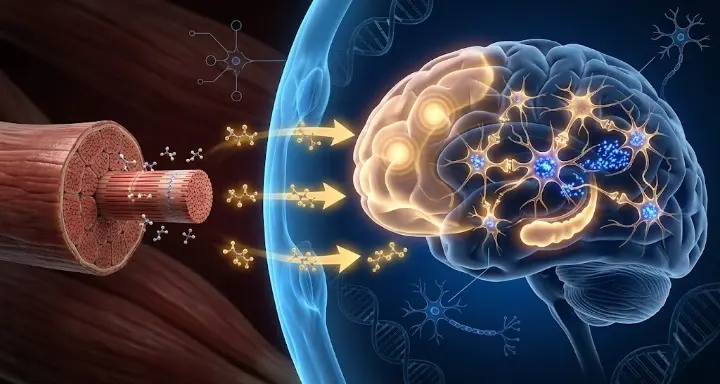
Creatine supplement shows cognitive benefits: slows early Alzheimer's decline by 30% and improves mental performance, studies find
A comprehensive review (2025) and clinical trial (2026) reveal that creatine, widely used as a muscle-building supplement, also crosses the
 thesciverse.org·11h ago
Multi-omics and single-cell CRISPRi screening maps Alzheimer's GWAS variants to TSPAN14 effector gene in microglia
This study presents a variant-to-gene (V2G) mapping effort for Alzheimer disease (AD) that integrates ten brain-relevant genomics datasets—i

Study reveals coffee shapes gut microbiome and influences mood through gut-brain axis
Researchers at APC Microbiome Ireland, University College Cork, published a study in Nature Communications examining how coffee interacts wi

Research Shows Food Ingredient Combinations May Enhance Anti-Inflammatory Effects
Research reveals that specific combinations of common food ingredients like mint, eucalyptus, and chili peppers can work synergistically to
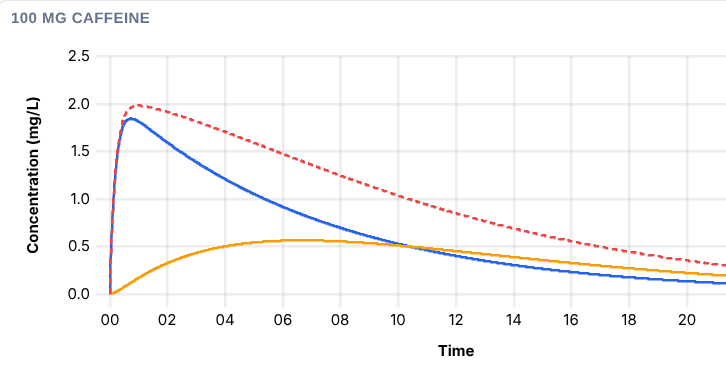
Caffeine Effects Last Longer Than Commonly Believed Due to Paraxanthine Metabolism
The article challenges the common belief that caffeine effects decay with a 5-hour half-life, explaining that caffeine is metabolized into p
 lesswrong.com·1mo ago
Long-term study links moderate coffee and tea consumption to 18% lower dementia risk
A long-term study tracking over 130,000 people for four decades found that regular consumption of moderate amounts of caffeinated coffee or
 theregister.com·2mo ago