
























Caffeine Effects Last Longer Than Commonly Believed Due to Paraxanthine Metabolism
tldr: The effects of caffeine consumption last longer than many assume. Paraxanthine is sort of like caffeine that behaves the way many mistakenly be…
Read the full articleYou might also wanna read
Checking your browser - reCAPTCHA
What’s the sweet spot for caffeine to get the most benefits with the fewest side effects (sleep disturbances, anxiety, headaches, etc.)? App


Coffee consumption linked to slower cellular aging in people with severe mental illness
Patients with severe mental health conditions who drink three to four cups of coffee daily may possess cells that appear roughly five years

What's The Average Shelf Life Of Energy Drinks?
Energy drinks are a great way to give yourself a boost when you need it, so keeping some on hand is wise. Here's how long you can stock them
How Long Alcohol Stays in Your System Explained
Most people have a rough sense that alcohol wears off after a few hours. Drink a beer, wait a while, […]
Alcohol Half-Life and Its Effects on the Body as You Age
Alcohol stays in your body far longer than most people realize, especially as you age. Understanding alcohol’s half-life helps explain growi
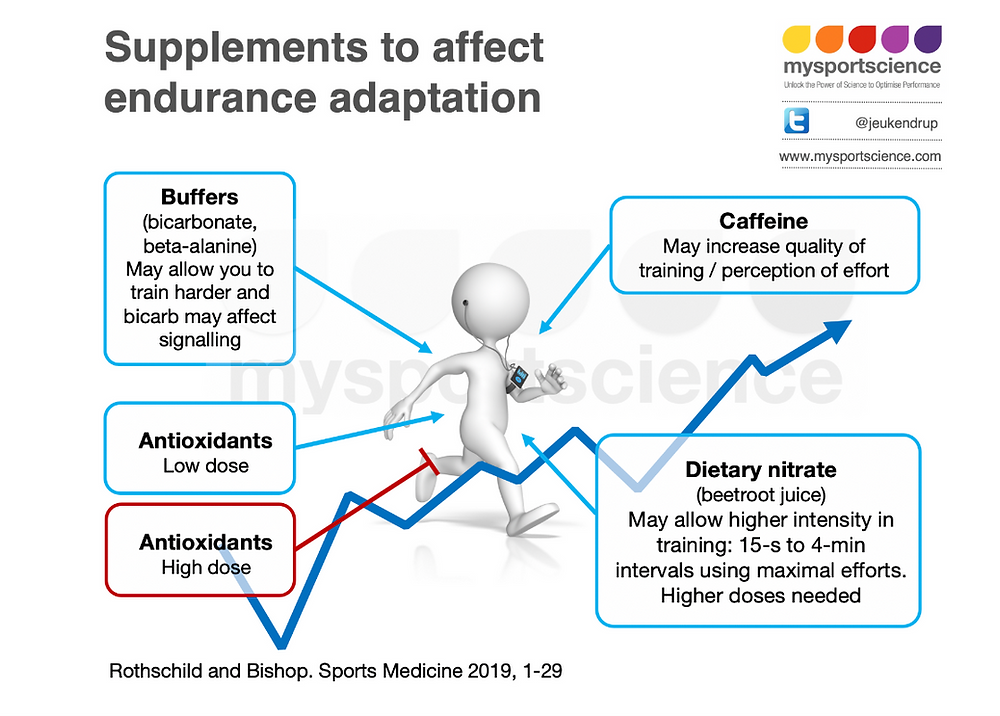
How common endurance supplements may influence training adaptations beyond acute performance
Supplements such as sodium bicarbonate, beta-alanine, beetroot juice, and caffeine have been well-studied in the context of acute endurance
 mssa.app·20d ago
Comments
Sign in to join the conversation.
No comments yet. Be the first.