
























Study finds elk, not bears, are responsible for most wildlife incidents in Canadian national parks
By
Libby Riddle
Summary
A new study analyzing nearly 3,000 wildlife incidents in Canadian national parks reveals that elk are responsible for more than half of aggressive wildlife encounters, surpassing bears and other animals. The research, published in Frontiers in Conservation Science, identifies specific high-risk scenarios, particularly elk-human interactions in campgrounds. The findings challenge common assumptions about which animals pose the greatest threat to park visitors.
Source

 Twitter / XStudy finds elk, not bears, are responsible for most wildlife incidents in Canadian national parkssciencenews.org
Key quotes
· 2 pulledOut of nearly 3,000 wildlife incidents in Canadian national parks, more than half involved an elk
Elk and campgrounds are a bad mix
You might also wanna read


The canine conundrum: Study examines whether dogs help or hinder safety in bear country
This research article examines the complex relationship between domestic dogs, humans, and bears in North America, analyzing conflicts from
 wildlife.onlinelibrary.wiley.com·12d ago
A social-ecological systems framework for understanding how recreation affects wildlife
This article presents a process-based social-ecological systems (SES) framework for studying how human recreation affects wildlife. It addre
 besjournals.onlinelibrary.wiley.com·5d ago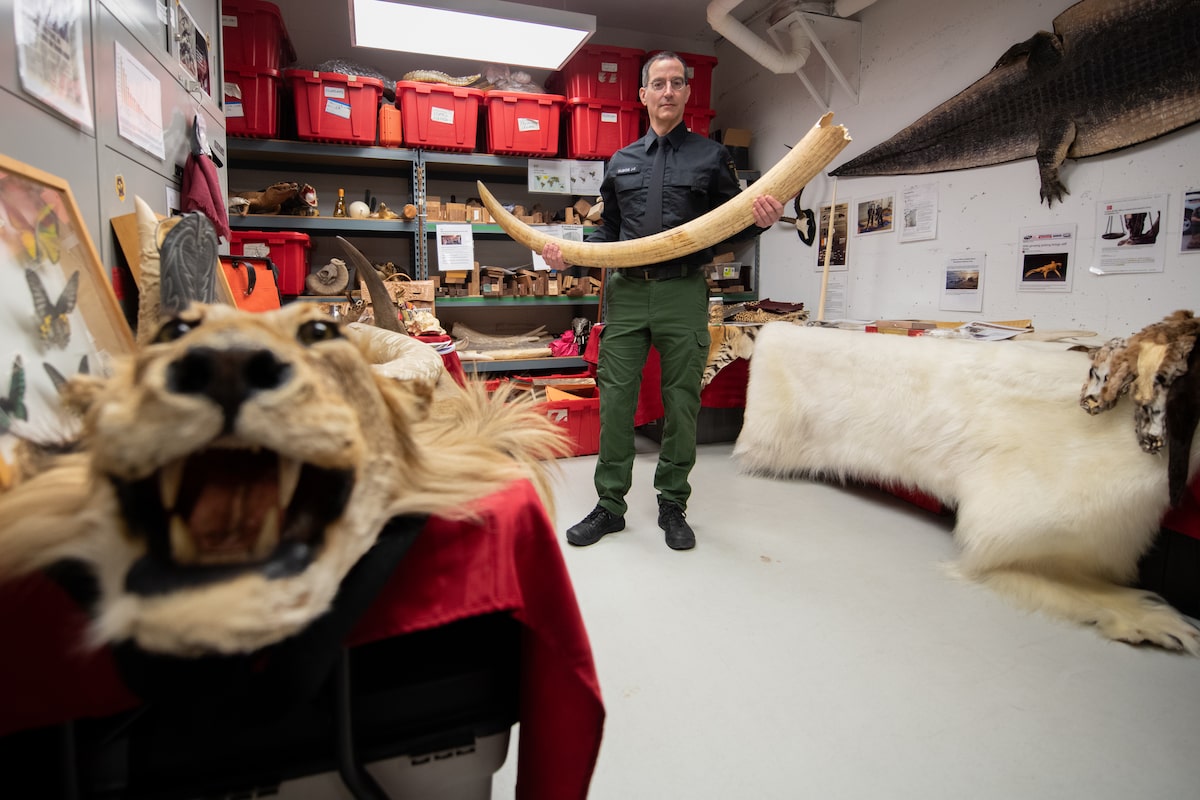
Investigation reveals Canada has become a hub for illegal wildlife trade funding organized crime
Canada has become a significant hub for the illegal wildlife trade, with a new investigation by The Globe and Mail and the Pulitzer Center r
 theglobeandmail.com·15d ago
Japan Deploys Military to Address Deadly Bear Attack Crisis Linked to Climate Change
Japan has deployed military troops to its northern rural regions to address a surge in deadly bear attacks that have killed a record 12 peop
 The Onion·7mo ago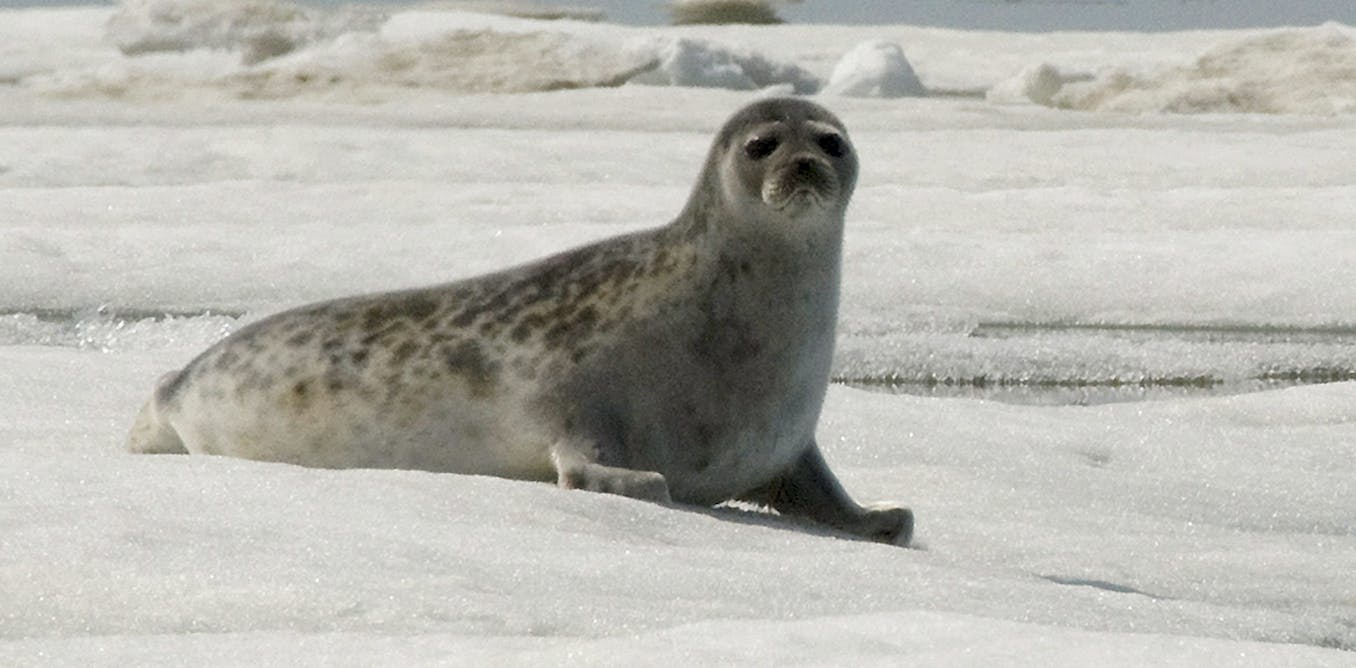
Study finds chemical pollution and climate warming harming Arctic ringed seals at molecular level
New research reveals that ringed seals in the Canadian Arctic are being harmed by chemical pollution accumulating in the Arctic food web, co
 theconversation.com·13d ago
Europe's wolf comeback: Balancing conservation success with human-wildlife conflict
As wolf populations rebound across Europe after centuries of decline, conflicts with humans are intensifying. The article examines the ecolo
 science.org·15d ago
Comments
Sign in to join the conversation.
No comments yet. Be the first.