
























Why 98% success is not good enough in high-stakes situations
By
@WhyNotHugo
Summary
This article challenges the perception that 98% is an impressive success rate by contrasting contexts where it works (lotteries, exams) versus contexts where it's unacceptable (food safety, payroll, restaurant payments). It argues that percentages must be evaluated relative to the stakes involved — high-stakes failures make even 2% error rates catastrophic.
Source
 Hacker NewsWhy 98% success is not good enough in high-stakes situationswhynothugo.nl
Key quotes
· 5 pulled98% sounds like a lot.
If someone wins the lottery 98% of the times they play, they are clearly blessed.
But a restaurant where clients don't get food poisoning 98% of time is getting people sick on a monthly (or even weekly) basis.
If an employer pays their employees 98% of the times, I definitely wouldn't want to work there.
98% is great for exceptionally good things, like dram
You might also wanna read

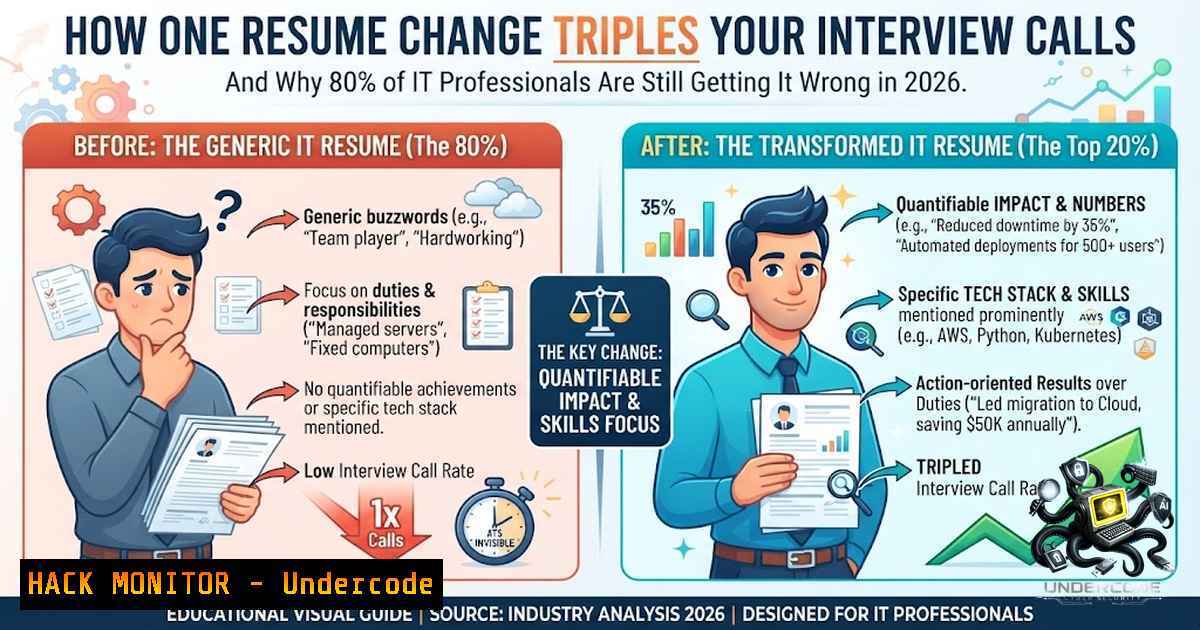
Why Most IT Professionals' Resumes Fail ATS Scans — And How Achievement-Based Bullet Points Triple Interview Calls
This article explains why most IT professionals fail to get interview calls despite having strong technical skills. The key insight is that
 undercodetesting.com·4d ago
School success depends on leaders who can interpret data, not just collect it
This article argues that data alone does not drive school success; rather, effective leadership and the ability to interpret and apply data
 eschoolnews.com·1mo ago
AI Transformation Success Yields 19% Valuation Gain, While Failure Costs 9%, L.E.K. Data Shows
Most companies are falling into the "efficiency trap" with AI — using it merely to speed up old processes and cut headcounts — rather than p
 digital-leadership-associates.passle.net·9d ago
Is Successful Agentic Coding a Delusion?

AI Transformation Success Boosts Enterprise Value by 19%, While Failure Costs 9%, L.E.K. Consulting Data Shows
Most companies are falling into the "efficiency trap" with AI, using it merely to speed up old processes and cut headcounts rather than purs
 buff.ly·24d ago
AI Transformation Success Boosts Enterprise Value by 19%, While Failure Costs 9%, L.E.K. Consulting Data Shows
Most companies are falling into the "efficiency trap" with AI, using it merely to speed up old processes and cut headcounts rather than purs
buff.ly·24d ago
Harvard professor explains the biggest misconception about failure and how to 'fail well'
Harvard Business School professor Amy Edmondson discusses the common misconception about failure, arguing that not all failure is bad. She d
 cnbc.com·16d ago
Comments
Sign in to join the conversation.
No comments yet. Be the first.