
























Why Most IT Professionals' Resumes Fail ATS Scans — And How Achievement-Based Bullet Points Triple Interview Calls
By
HackMoN Ai
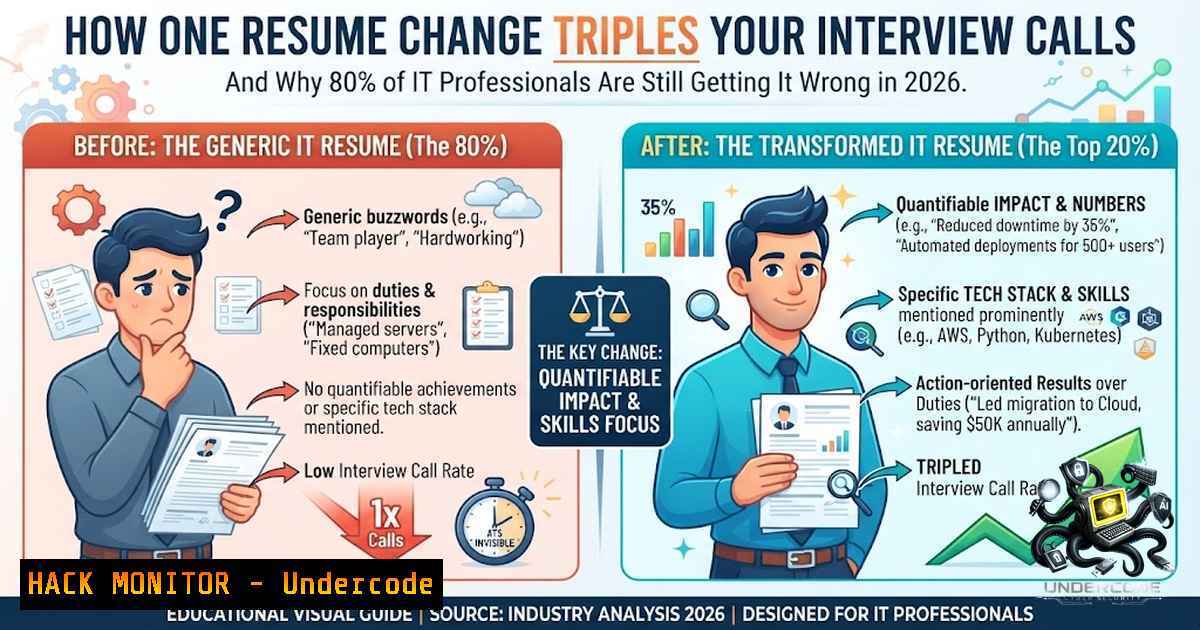
Summary
This article explains why most IT professionals fail to get interview calls despite having strong technical skills. The key insight is that resumes need to shift from listing job duties (e.g., "responsible for managing firewalls") to achievement-based, quantified bullet points (e.g., "reduced security incidents by 40% through firewall optimization"). It covers how modern ATS systems use contextual language models and AI-powered scanning, making this shift even more critical. The article also explores why 80% of IT professionals continue getting it wrong — due to outdated advice, fear of bragging, and lack of metrics tracking — and provides actionable guidance on transforming resume content for better results.
Source
 bskyWhy Most IT Professionals' Resumes Fail ATS Scans — And How Achievement-Based Bullet Points Triple Interview Callsundercodetesting.com
Key quotes
· 3 pulledYour resume is often the first—and sometimes only—line of defense between you and your next career opportunity.
Most professionals in technical fields spend hours tweaking fonts and rearranging sections while missing the one shift that actually moves the needle: transforming duty-based job descriptions into achievement-based, quantified bullet points.
Applicant Tracking Systems (ATS) now using contextual language models and AI-powered scanners...
You might also wanna read

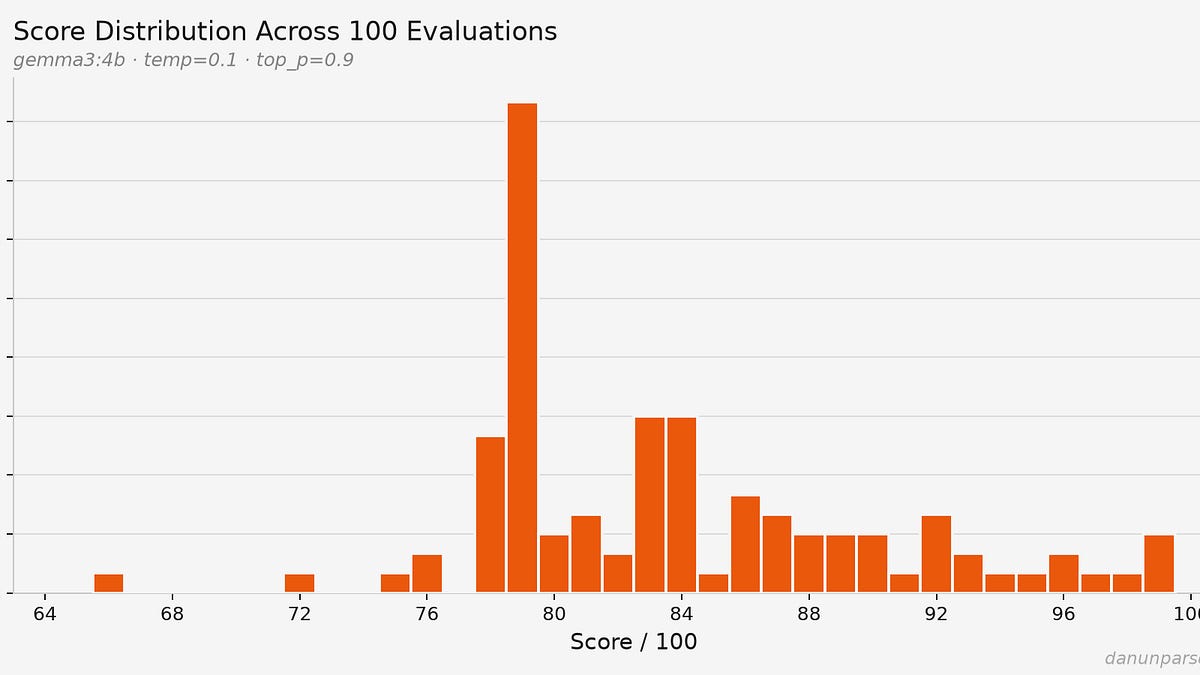
HackerRank's Open-Source ATS Gave My Resume a Different Score Every Time — Here's Why
The article investigates HackerRank's open-source ATS (Applicant Tracking System) tool, finding that it produces inconsistent scores for the
 danunparsed.com·6d ago
HackerRank's Open-Source ATS Gave My Resume a Different Score Every Time — Here's Why
The article investigates HackerRank's open-source ATS (Applicant Tracking System) tool, finding that it produces inconsistent scores for the
danunparsed.com·6d ago
The Structural Flaws in Applicant Tracking Systems: Why HR Technology Fails Job Seekers
The article analyzes the structural flaws in applicant tracking systems (ATS), explaining how decades of misaligned incentives between HR bu
 saj.ad·4mo ago
Tech job seeker shares lessons learned after 450 applications: Why cold applications no longer work
The author shares their experience of applying to 450 positions before finally getting hired in the tech industry. They argue that tradition
 news.ycombinator.com·10mo ago
Critique of Technical Interview Practices: When Coding Puzzles Don't Reflect Real Job Requirements
The article critiques modern technical interview practices through a personal anecdote about a backend developer interview. The author descr
 idiallo.com·10mo ago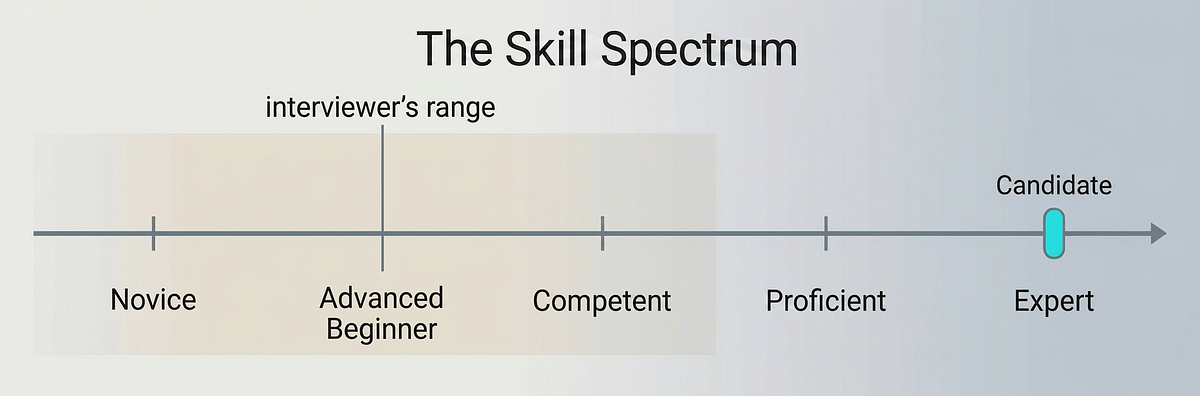
Why Technical Interviews Reject Qualified Engineers: A Framework for Better Hiring
The article argues that traditional technical interview processes are fundamentally flawed, rejecting qualified engineers while failing to m
 fagnerbrack.com·29d ago
Why the Traditional Technical Interview Is Dying and What's Replacing It
A veteran engineer with 35 years of experience argues that the traditional technical interview process is fundamentally broken and finally d
steve-yegge.medium.com·1mo ago
Comments
Sign in to join the conversation.
No comments yet. Be the first.