
























How AI-Powered Ensemble Models Improve Insider Threat Detection in Cybersecurity
By
HackMoN Ai
Summary
This article discusses how AI-powered ensemble models, combining unsupervised anomaly detection (Isolation Forest) with supervised classification (XGBoost), are being used to detect insider threats in cybersecurity. These models identify subtle behavioral anomalies in enterprise logs that traditional signature-based systems miss, achieving significantly improved detection accuracy for insider threat scenarios where malicious activity masquerades as legitimate user behavior.
Source
 bskyHow AI-Powered Ensemble Models Improve Insider Threat Detection in Cybersecurityundercodetesting.com
Key quotes
· 3 pulledInsider threats represent one of the most insidious challenges in modern cybersecurity because they masquerade as legitimate user activity, evading traditional signature-based detection systems.
The convergence of artificial intelligence and behavioral analytics has given rise to a new generation of detection platforms that can identify subtle anomalies in enterprise logs with unprecedented accuracy.
By leveraging unsupervised anomaly detection algorithms like Isolation Forest alongside supervised classification models such as XGBoost within an ensemble framework...
You might also wanna read


Minimizing False Positives: Enhancing Security Efficiency
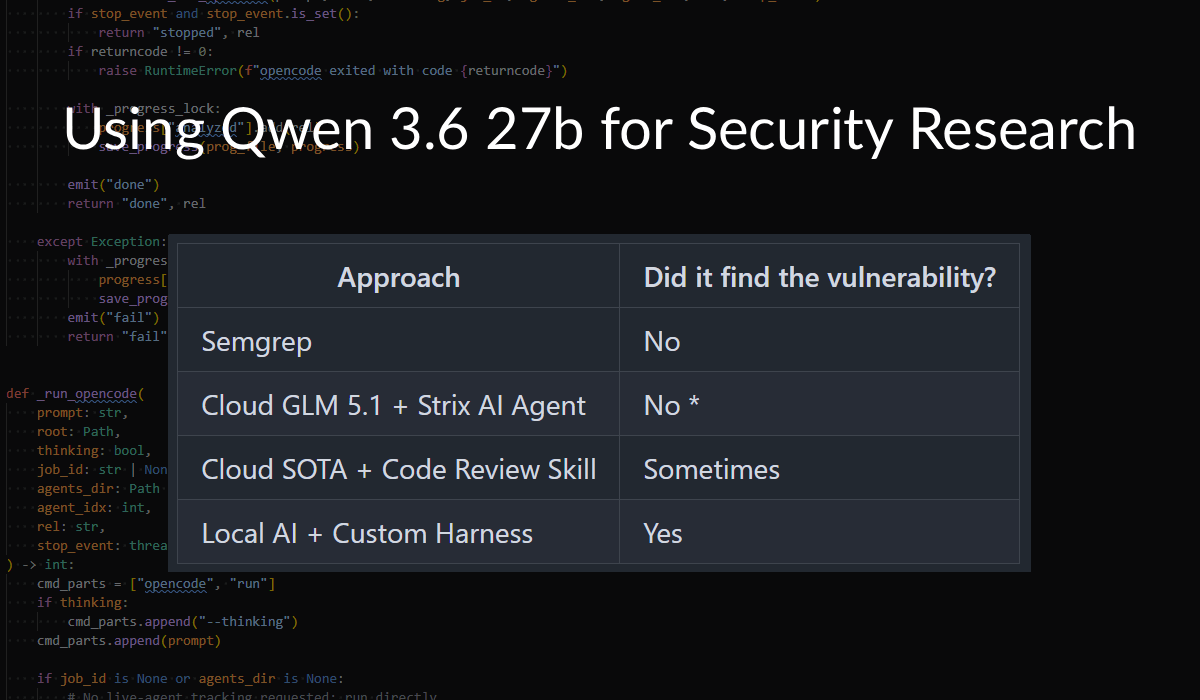
Benchmarking Local AI Models for Cybersecurity Vulnerability Detection
The article evaluates the effectiveness of local AI models for cybersecurity penetration testing and vulnerability research. The author benc
 projectblack.io·9d ago
Above Security launches AI-powered insider risk detection platform on Product Hunt
Above Security offers an AI-driven platform that monitors user behavior across SaaS, endpoints, and identity systems to detect insider risks
 Product Hunt·2mo ago
Palo Alto Networks and Koi Security Face Lawsuit Over Alleged AI Hallucinations in High-Profile Cyber Threat Report
Demystifying User and Entity Behavior Analytics (UEBA)

Comments
Sign in to join the conversation.
No comments yet. Be the first.