
























3.1-billion-year-old pillow basalts in Australia's Pilbara Craton reveal ancient water cycle evidence
By
Eric Vandenburg
Summary
A first-person account of visiting the Pilbara Craton in Western Australia, where 3.1 billion-year-old pillow basalts reveal evidence of Earth's ancient water cycle. The article explores how these ancient rocks, formed when Earth was young, provide clues about the role water played in shaping our planet long before modern plate tectonics began carrying water into Earth's depths. The harsh, dry landscape of the Pilbara today belies its watery past, preserved in the geological record of these remarkably unchanged volcanic formations.
Source
 bsky3.1-billion-year-old pillow basalts in Australia's Pilbara Craton reveal ancient water cycle evidencetheconversation.com
Key quotes
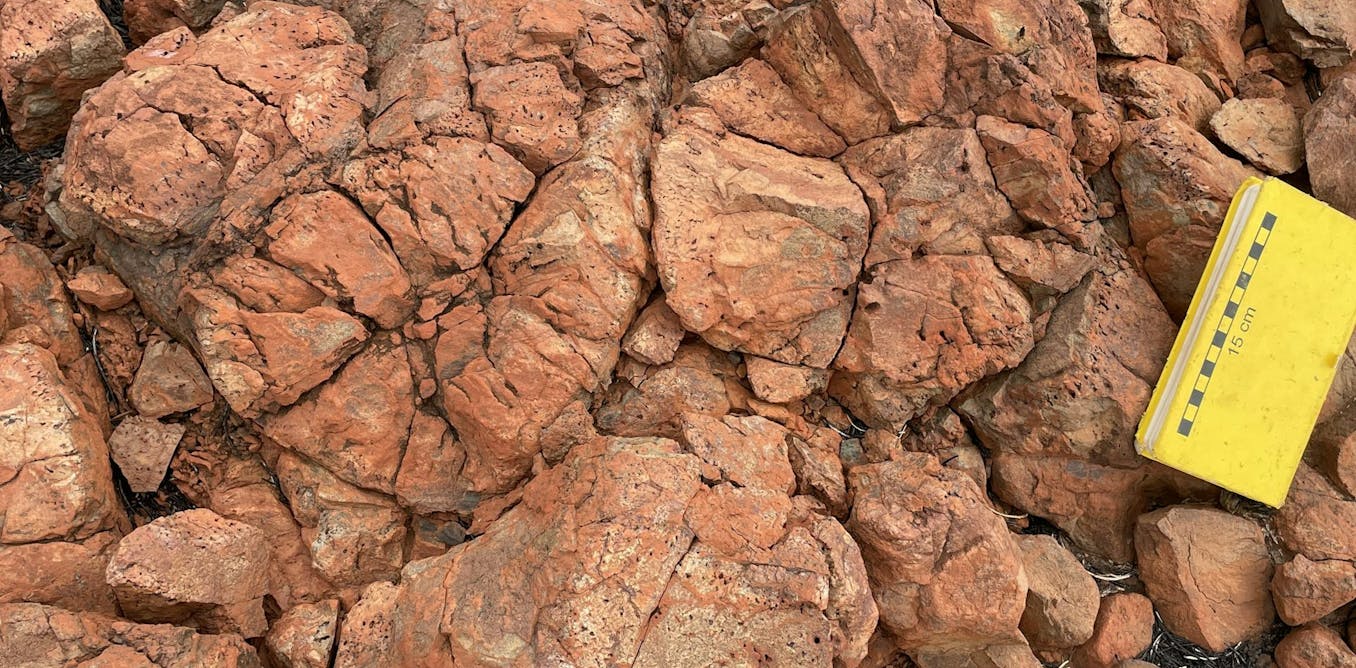
· 3 pulledIn the 45°C heat of the midday April sun, I swing my sledgehammer into the terracotta-varnished lobes of pillow basalt overlooking a sparse, almost Martian landscape.
It's hard to fathom that this lava cooled when Earth was young, and has barely changed since.
Western Australia's Pilbara Craton is probably the last place you'd expect to learn anything about the role water played in shaping our planet.
You might also wanna read
Ancient rocks reveal how water reshaped Earth's interior 3.1 billion years ago

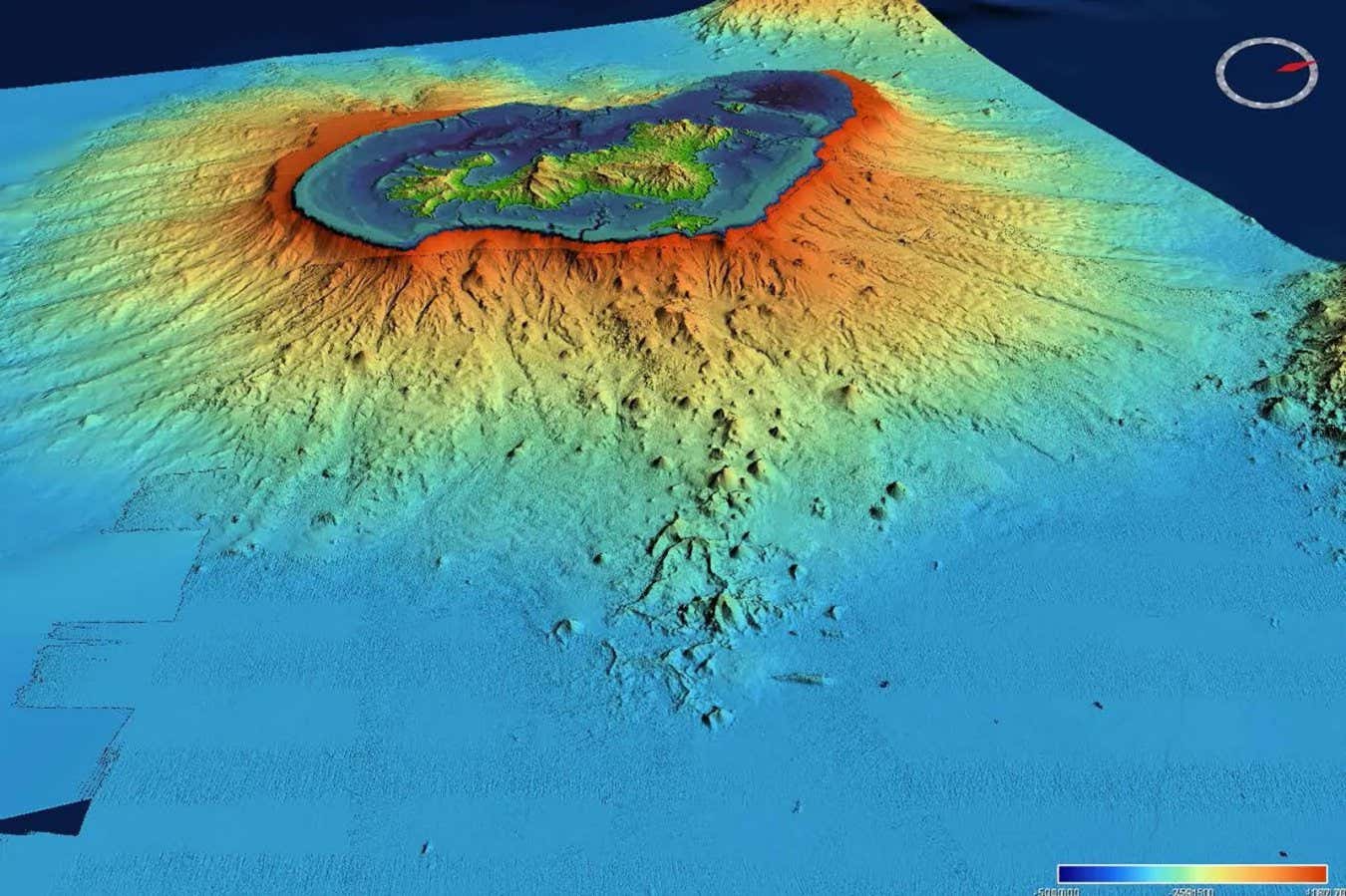
Underwater volcano off Madagascar spews magma containing 4.5-billion-year-old traces of Earth's primordial magma ocean
Scientists have discovered that a young underwater volcano off the coast of Madagascar is spewing magma containing chemical traces of Earth'
 newscientist.com·4d ago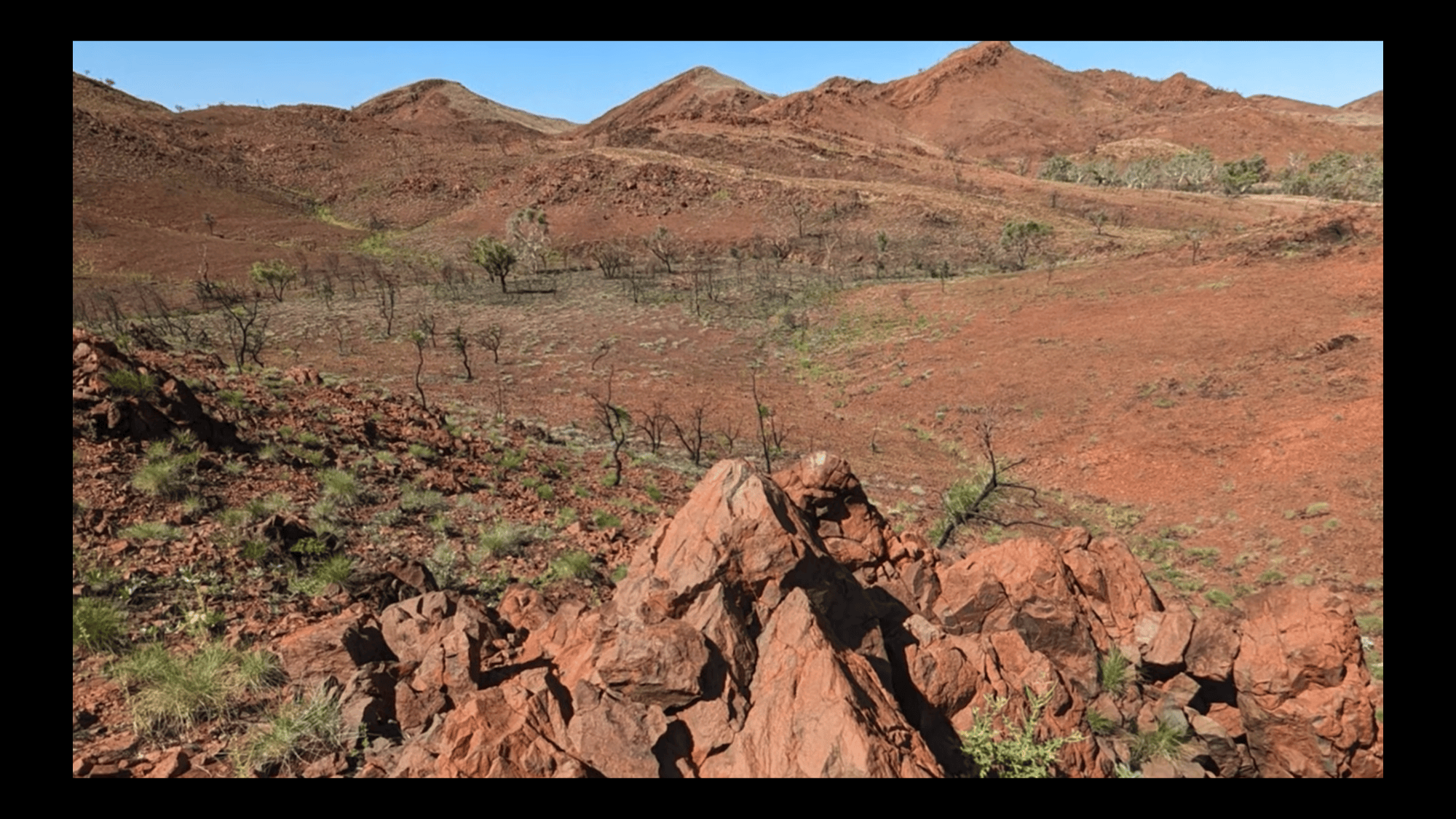
North Pole Dome in Western Australia confirmed as oldest known asteroid impact site at 3.02 billion years old
Scientists have confirmed that the North Pole Dome rock formation in Western Australia's Pilbara region is the oldest known asteroid impact
 space.com·12d ago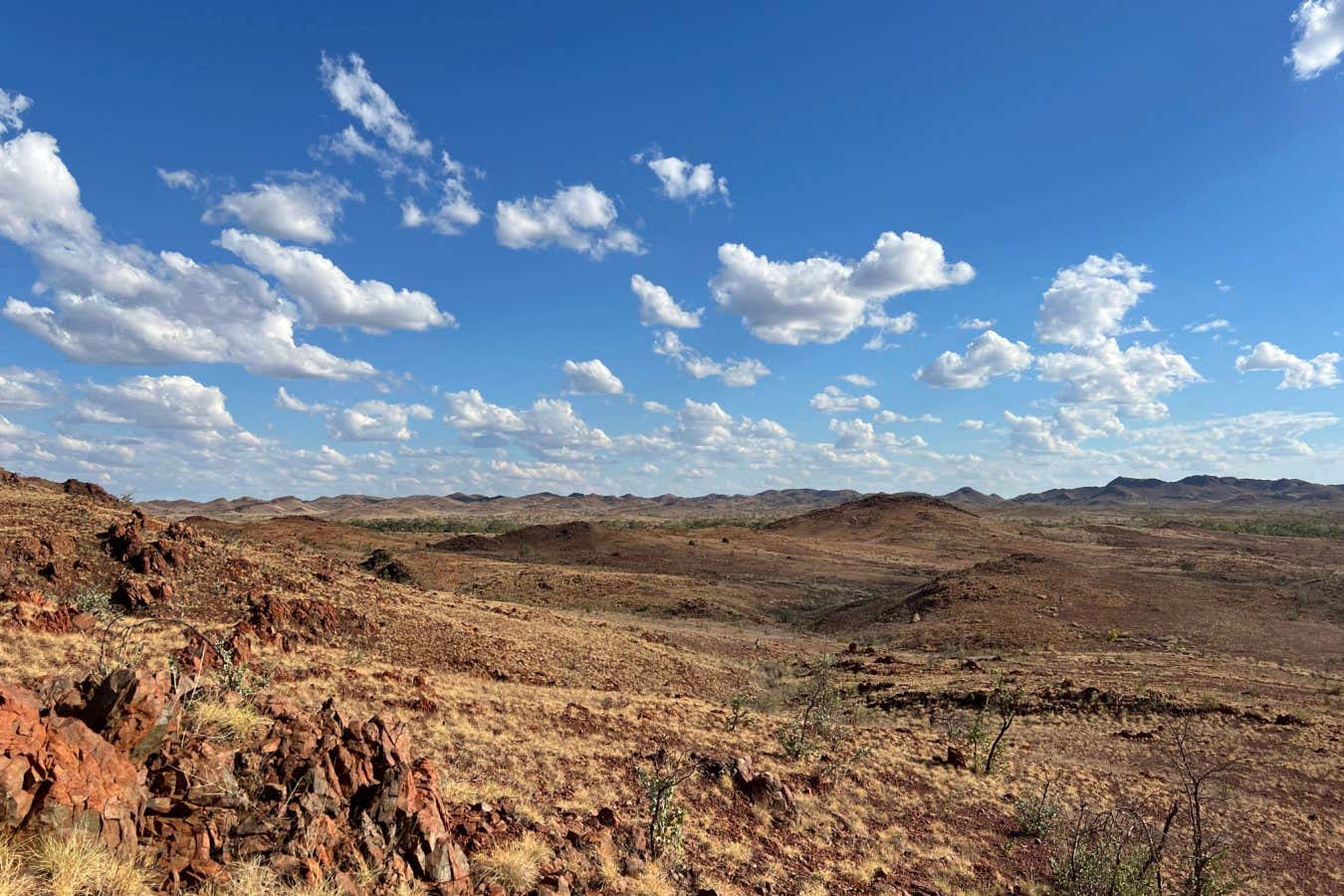
Study claims 3-billion-year-old Australian crater is Earth's oldest impact structure, but age disputed
A study claims that the North Pole Dome crater (Miralga impact structure) in Western Australia was created by an asteroid strike 3 billion y
newscientist.com·11d agoTraces of Earth's primordial magma ocean discovered in lava from a modern volcanic eruption
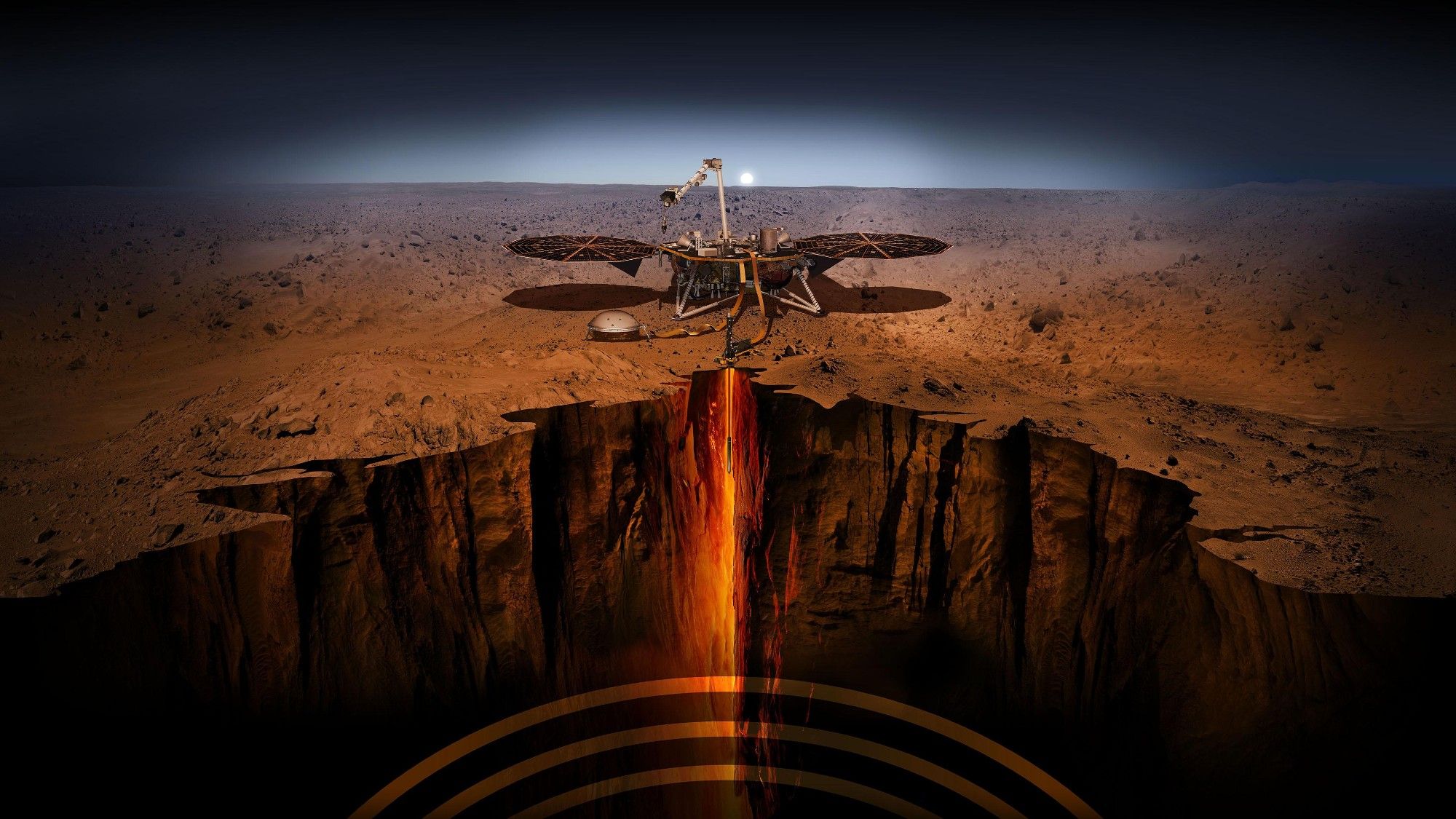
NASA InSight data reveals ancient magma oceans beneath Mars's crust, reshaping theories of planetary habitability
NASA's InSight mission has detected seismic waves revealing a boundary 15 miles deep inside Mars, indicating that deep oceans of magma once
 space.com·7d ago
NASA InSight data reveals ancient magma oceans beneath Mars's crust, reshaping theories of planetary habitability
NASA's InSight mission has detected seismic waves revealing a boundary 15 miles deep inside Mars, indicating that deep oceans of magma once
Space·7d agoNASA InSight data reveals ancient magma oceans beneath Mars's crust, reshaping theories of planetary habitability
NASA's InSight mission has detected seismic waves revealing a boundary 15 miles deep inside Mars, indicating that deep oceans of magma once
space.com·7d ago
Comments
Sign in to join the conversation.
No comments yet. Be the first.