 Shared by @propublica.org ↗
 propublica.org1h ago
 letters.thedankoe.com1h ago
 Shared by @wxyzdetroit.bsky.social ↗
 wxyz.com2h ago
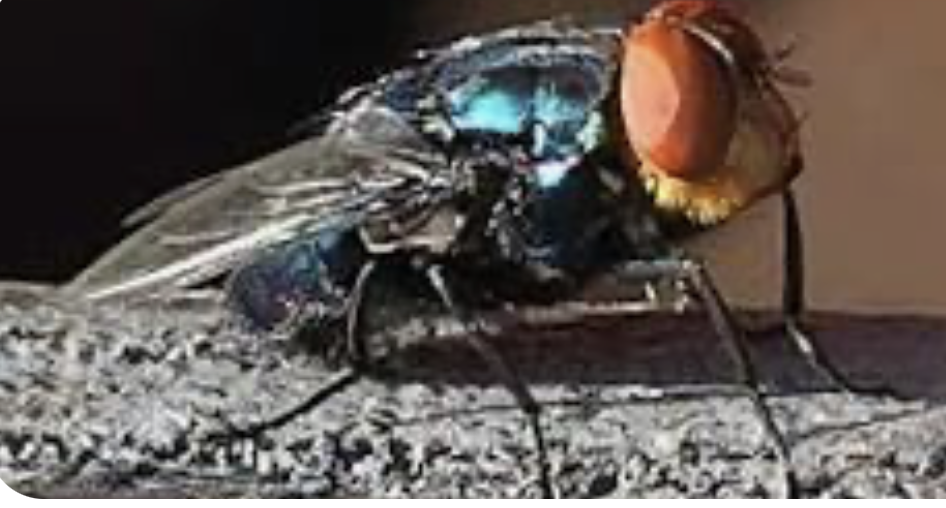
New World screwworm, a parasitic fly larva that feeds on living tissue, has returned to the United States for the first time in 50 years, with confirmed infestations in cattle in Texas and a dog in New Mexico, according to Food Safety News. The pest, native to South America, poses a threat to both animal and human health as well as the beef industry, Science News reported. As of June 21, at least 15 confirmed cases had been reported in Texas and New Mexico, affecting cows, goats, sheep, and a dog, Science News noted. The screwworm, scientifically known as Cochliomyia hominivorax, is a flesh-eating parasite: female blowflies deposit eggs into open wounds of mammals, and the larvae burrow into and feed on living flesh, causing significant pain to the host. "The flesh-eating parasitic fly larvae feed on living tissue of warm-blooded animals." Texas Agriculture Commissioner Sid Miller has sharply criticized the USDA's handling of the outbreak, accusing the agency of relying on an "ineffective approach," Food Safety News reported. The controversy centers on the USDA's detection and response strategies as the infestation spreads. Experts warn that eradicating the parasite again could take more than a year, according to Science News. The re-emergence of New World screwworm on U.S. soil after half a century highlights the ongoing vulnerability of livestock and the need for swift, coordinated action to contain the threat.

A growing body of research suggests that the heartbeat subtly influences how the brain processes sensory information, potentially skewing results in neuroscience experiments that ignore this bodily rhythm. A 2024 NeuroImage study showed participants' brains responded differently
 science.org·Tech by Flipboard·2h ago·5 min read
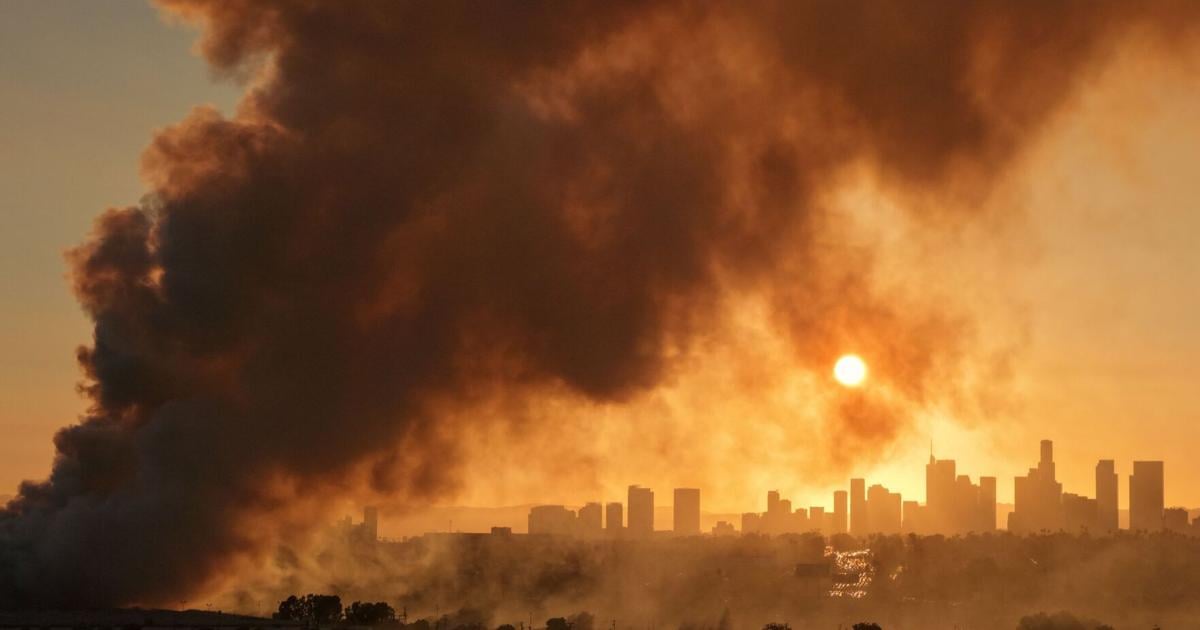
A massive warehouse fire in Boyle Heights, Los Angeles, has been burning for six days at a cold-storage facility, releasing toxic smoke containing microscopic soot and ash that poses serious health risks to nearby communities. The smoke is being pushed easterly into East Los Ange
 dailybreeze.com·Tech by Flipboard·2h ago·7 min read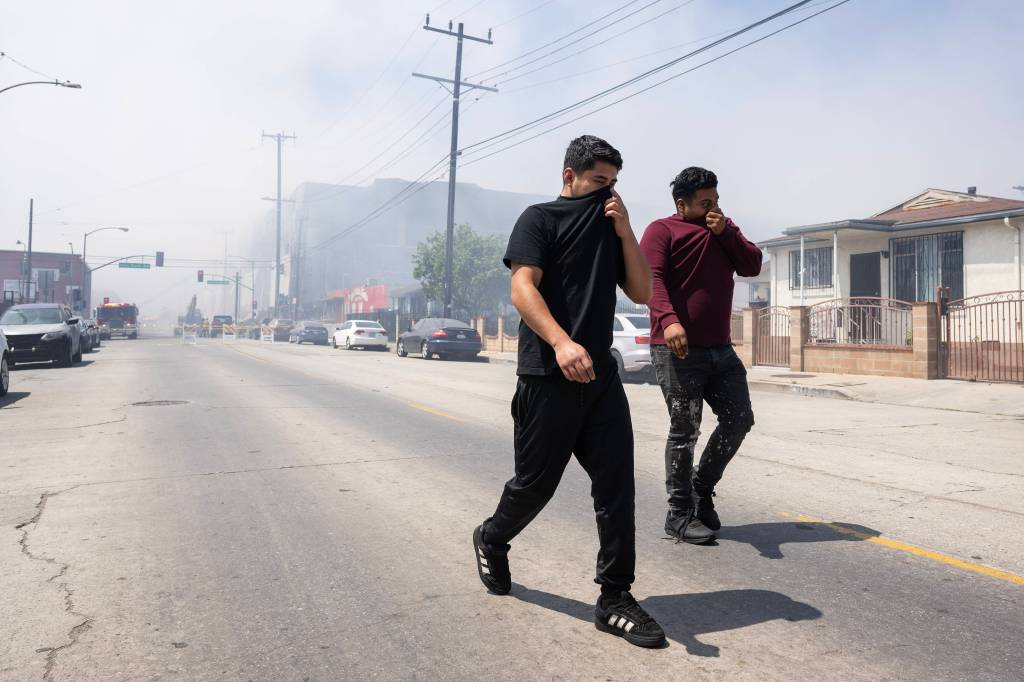
 Shared by @44news.bsky.social ↗
 wevv.com2h ago
 Shared by @shihcheng.bsky.social ↗
 Shared by @crystalwind.bsky.social ↗
 crystalwind.ca3h ago
 Shared by @rweingarten.bsky.social ↗
 abcnews.com3h ago
 Shared by @calebwatney ↗
 writingruxandrabio.com4h ago
 Shared by @WebMD ↗
 wb.md4h ago
 Shared by @carlzimmer.com ↗
 medpagetoday.com4h ago
 Shared by @Medscape ↗
 mdsc.pe5h ago
 Shared by @shihcheng.bsky.social ↗
 Shared by @propublica.org ↗propublica.org5h ago